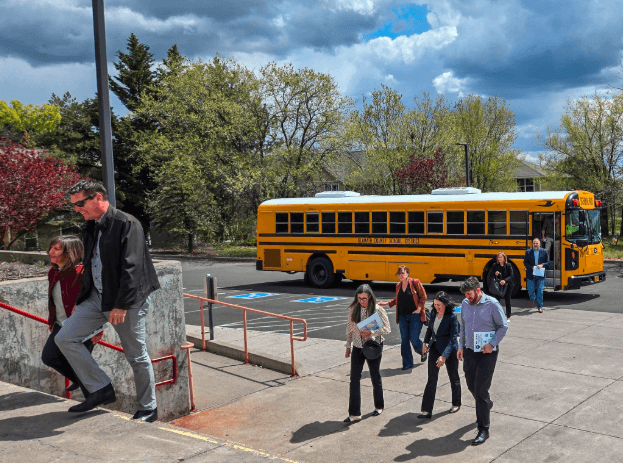
Southern Oregon Schools Forge Critical Partnership to Train Health Workers
Southern Oregon schools have launched a groundbreaking partnership with a local hospital to immediately expand training for future health care workers, officials confirm. This rapid alliance aims to directly address the growing shortage of medical professionals across the United States, providing students with hands-on experience and fast-tracked career pathways starting today.
The collaboration, recently reported by Modoc Record, connects educational institutions in southern Oregon with hospital resources to offer accelerated clinical training in multiple health disciplines. This initiative is designed to meet urgent demands as hospitals nationwide face pressure to replenish their workforce in 2026.
Why This Matters Right Now
The health care sector is currently witnessing an unprecedented blend of workforce shortages and rising patient needs, making this partnership a vital step in expanding the pipeline of qualified professionals. Students will benefit from real-time, in-hospital training, equipping them with the skills and experience necessary to hit the ground running post-graduation.
“By providing direct access to hospital environments and practical patient care experiences, we are preparing the next generation of health workers faster and better,” a school official stated.
Details of the Program
The program integrates classroom instruction with hospital-based clinical rotations and mentoring. Participating students engage in roles ranging from nursing assistant to emergency medical technician, with curriculum adjustments aligned to urgent care demands. Hospitals involved will provide supervision, modern equipment, and real patient interactions to ensure comprehensive training.
Though initially focused in southern Oregon, this model represents a scalable blueprint for other regions, including high-demand states like North Carolina, where rural and urban centers alike grapple with health care staff shortages.
Next Steps and National Impact
Officials expect enrollment to surge as news of the program spreads. Partners are planning to track graduate retention in health care roles closely, aiming to demonstrate how immersive partnerships can boost long-term workforce stability.
Health systems across the US are watching closely, with several states exploring similar models to address critical gaps. North Carolina health leaders may find this collaboration a compelling example as they seek innovative strategies to strengthen their own medical workforce.
With health care needs intensifying nationwide, partnerships like this one will be essential to training sufficient, competent professionals fast enough to meet demand. The Southern Oregon model could reshape how education and health care sectors cooperate in the coming years, potentially saving lives by accelerating workforce readiness today.