Cold Case Reopened After Four Decades in Indigenous Woman’s Death
OMAHA, Neb. — Authorities have reopened the cold case of Mickey LaMere, a 21-year-old Indigenous woman found dead in a ditch nearly 40 years ago, as new DNA technology offers hope for justice and closure.
The Douglas County Sheriff’s Office confirmed it is actively reviewing evidence in the decades-old case, first closed after concluding she was struck by a vehicle in Ponca Hills, Nebraska, in 1984.
New Forensic Advances Spark Fresh Investigation
Sheriff Aaron Hansen said the department has been fortunate to experience few recent homicides in unincorporated Douglas County, which has allowed investigators to focus attention on cold cases like LaMere’s.
“There is some evidence that we are evaluating now that technology and law enforcement didn’t have the ability to evaluate, quite frankly, decades ago,” Hansen said.
Officials hope that modern DNA analysis can unlock clues previously undetectable, potentially identifying suspects or new leads after nearly four decades.
Community Honors Missing and Murdered Indigenous Women and Girls
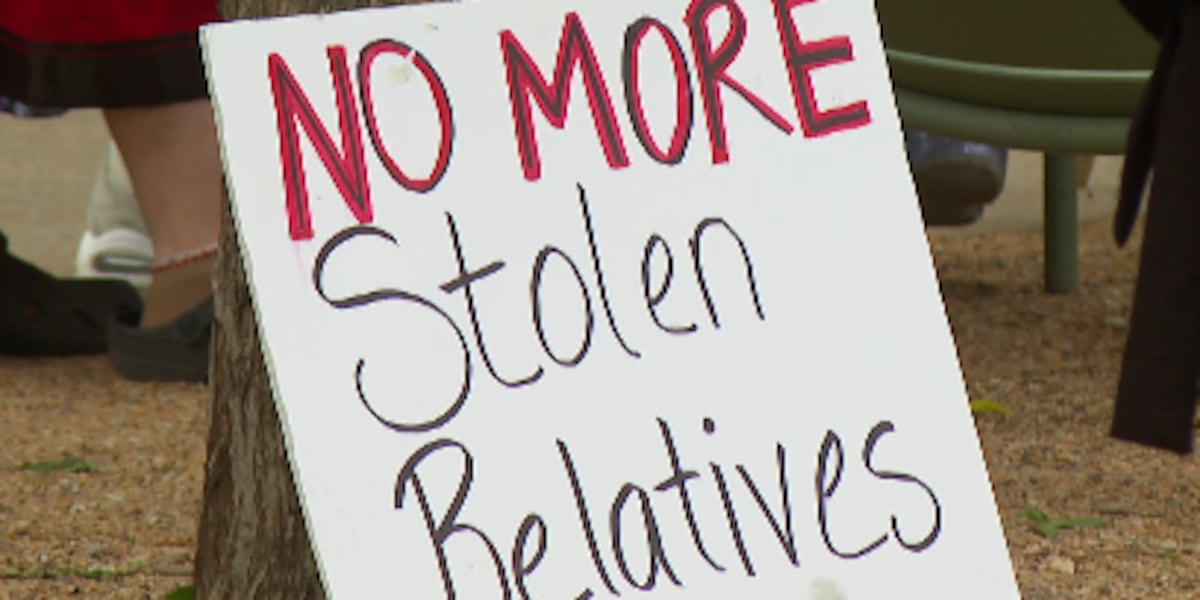
On May 5, a date many recognize as Cinco de Mayo, Indigenous families gathered at Gene Leahy Mall in Omaha for a poignant round dance ceremony. This sacred tradition honors missing and murdered Indigenous women and girls (MMIWG) who have often been victims of violence without justice.
Jackie LaMere, Mickey’s sister, shared the deep pain endured by families left in limbo for decades. She revealed Mickey was pregnant at her death, a heartbreaking detail only uncovered now.
“She died a horrible death, and nobody would want to go through that,” Jackie LaMere said, expressing the raw grief connected to the long-unsolved case.
The event was organized annually by the Nebraska Urban Indian Health Coalition as a healing platform, combining dance, storytelling, and remembrance.
Healing and Hope Amid Lingering Uncertainty
Behavioral health counselor Lestina Saul explained the mental health toll on families of MMIWG, emphasizing the community’s use of drum circles and dancing as “medicine.”
“If you’re constantly wondering where your relative is at, that is going to affect your mental health, and that is going to wear down on you… and you still have to do life,” Saul said.
Jackie LaMere described feeling crushed by hopelessness over the years but finds renewed strength in the case’s reopening.
“There’s people out here that remember her and know of her. They don’t need to be ashamed to cry. They always say… tears are prayers,” she added.
What’s Next in the Investigation
With forensic technology advancing rapidly, families and law enforcement alike have reason for cautious optimism. The Douglas County Sheriff’s Office is reviewing physical evidence with the aim of identifying suspects or new witnesses that can bring accountability.
For readers across North Carolina and the nation, this case underscores the ongoing crisis of violence against Indigenous women and girls and the critical importance of reopening cold cases with modern investigative tools.
The community event and investigation reflect a nationwide movement demanding justice, healing, and prevention of further tragedies for Indigenous populations.
The NC Voice will continue monitoring developments in this story as new information emerges.