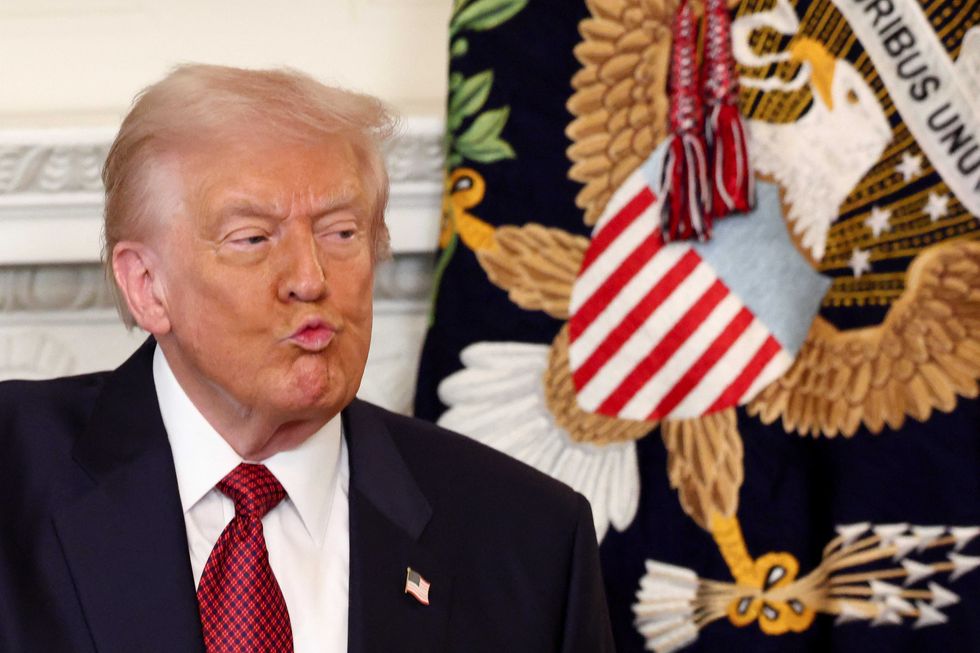
Donald Trump has expressed hope that the fragile ceasefire between Russia and Ukraine will extend beyond its initial May 9–11 timeframe, sparking a surge in global markets led by a dramatic rise in cryptocurrency prices.
The tentative three-day truce, brokered with support from the United States, marks the first diplomatic breakthrough in the devastating conflict that erupted in February 2022. The announcement triggered a swift reaction in financial markets, with Bitcoin soaring past the significant $80,000 threshold—an unprecedented jump linking geopolitical developments directly to crypto trading sentiment.
Ceasefire Holds Symbolic Ground Amid Early Accusations
The ceasefire coincides with Victory Day celebrations in Russian culture, underscoring the high stakes of this symbolic pause. However, tensions remain palpable: both sides have already leveled accusations of violating the truce, highlighting its fragility in these crucial initial hours.
Despite early frictions, the deal includes a historic prisoner exchange plan, with 1,000 prisoners from each side expected to return home. This swap represents one of the largest since intense fighting escalated.
Trump and Putin Explore Extending Peace Into Summer
High-level discussions between Trump and Russian President Vladimir Putin reportedly consider extending the ceasefire as long as June 30. Such an extension could transform the gesture from a symbolic truce into the foundation of deeper peace negotiations addressing key territorial and security disputes.
However, prediction markets currently assign only a 9.5% chance of this extension materializing, reflecting widespread skepticism among seasoned observers.
Why Crypto Markets Are Reacting to War and Peace
The unexpected surge in cryptocurrency prices reveals how entwined digital currencies have become with the Russia-Ukraine conflict. Since the conflict’s outbreak, Ukraine raised over $225 million in digital donations, showcasing crypto’s growing role in humanitarian efforts.
Simultaneously, Russia’s use of Bitcoin and stablecoins to circumvent Western sanctions has added layers of complexity to crypto market dynamics, making crypto sensitive to shifts in geopolitical tension.
Market analysts note that Bitcoin’s rally in response to peace signals defies the traditional “safe haven” narrative. Instead, traders seem to view lessened conflict as a green light for riskier assets—including cryptocurrencies.
Peace Could Reshape Crypto’s Future and Legitimacy
A lasting peace deal may lead to a rollback of economic sanctions on Russia, significantly impacting one of crypto’s major recent use cases: sanction evasion. While this could reduce certain crypto transaction volumes, industry experts believe it would enhance crypto’s legitimacy and appeal to mainstream investors wary of regulatory risks.
This shift could mark a turning point where cryptocurrency moves from a geopolitical tool toward established financial innovation with improved market integrity and transparency.
Investor Guidance: Caution Amid Optimism
The current Bitcoin rally is driven largely by market sentiment rather than fundamental changes. Investors betting on peace extension face long odds, with only about a 10% probability currently assigned to this scenario by prediction markets.
Risks remain high: if hostilities resume or if the prisoner exchange falters, crypto and other risk assets could face sharp corrections. Traders positioned aggressively for peace might need to exit rapidly, increasing volatility.
Investors should watch several critical milestones closely: whether the 1,000-for-1,000 prisoner swap occurs as scheduled, if hostilities truly pause past May 11, and whether meaningful progress on extending the ceasefire to June 30 unfolds.
These tangible signs will better indicate whether this ceasefire is more than just a brief pause and if markets’ cautious optimism is justified.
The unfolding situation is a frontline test of diplomacy and market psychology as the world cautiously eyes a potential end to one of the most destabilizing conflicts in recent history.