Masvingo Teen Seeks $1,200 to Replace Amputated Leg and Resume School
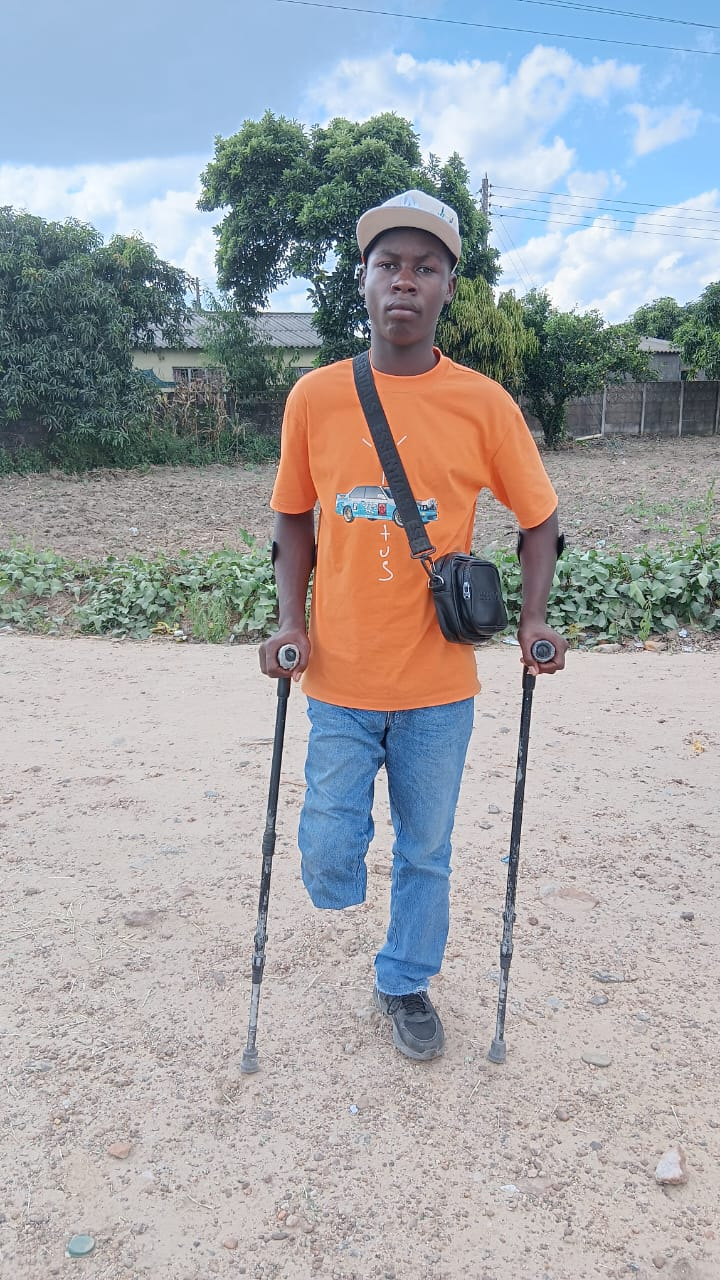
Pardon Imbayango, an 18-year-old from Masvingo, Zimbabwe, is urgently appealing for US$1,200 to fund a prosthetic leg after losing his right leg due to complications from a 2012 vehicle accident.
Imbayango’s injury steadily worsened over the years until the leg was amputated last year. Since then, he has been forced to rely on crutches, which cause him significant pain and limit his mobility. Currently, he lives with his mother in Rujeko, Masvingo, where financial hardship has prevented him from obtaining the prosthetic limb that would restore his independence.
Despite these challenges, Imbayango successfully passed his Zimsec O Level examinations last year but has yet to enroll for his Lower Sixth studies due to an inability to meet school fees. He was hospitalized during the first term of 2026, missing vital time in school.
“I am in great pain and it is difficult for me to move around using crutches,” Imbayango told the Masvingo Mirror, emphasizing his urgent need for assistance. He plans to attend Rujeko Secondary School and pursue subjects like Business Studies, Economics, and Geography, but his mother struggles to raise the US$160 per term school fees.
“I want to continue with my education and build a better future for myself. I am appealing for any assistance that can help me achieve my goals,” Imbayango said.
Well-wishers and donors willing to assist can contact Pardon Imbayango at 0775 665 767 or reach out through the Masvingo Mirror Helpline at 0716 895 703 or 0775 036 812.
Why This Matters Now
This urgent appeal highlights the critical gaps in access to affordable prosthetic care in Zimbabwe, a challenge shared by many in developing nations. For North Carolina and U.S. audiences attuned to global health and youth education issues, Imbayango’s story serves as a stark reminder of the ongoing struggles faced by young people whose educations and futures are disrupted by preventable medical crises.
As education remains a vital pathway to economic stability worldwide, Imbayango’s plight underlines the importance of international support networks and charitable interventions. With the growing global spotlight on disability inclusion, his urgent need for a prosthetic leg symbolizes a broader fight for equal opportunity and dignity.
Next Steps and What to Watch
The immediate goal is to raise US$1,200 for the prosthetic leg through donors and supporters. Success will not only alleviate Imbayango’s physical suffering but also allow him to return to school and pursue his ambitions in business and economics.
Community leaders and health advocates in Zimbabwe are encouraged to amplify this appeal as a call to action. Meanwhile, international donors and humanitarian organizations might consider partnerships to increase access to prosthetic care for impoverished youth.
Readers in North Carolina and beyond interested in global health crises and youth education can follow this developing story through the Masvingo Mirror and local Zimbabwean outlets.
Pardon Imbayango’s courage and determination amid adversity make his story one that resonates far beyond Zimbabwe—reminding us that opportunity and mobility are basic rights worth fighting for everywhere.