South Korea’s Most Powerful Museums Open Doors for Deep Historical Insights
Korean museums are unveiling intense stories and rare collections that demand attention TODAY from families and history buffs worldwide. These nine top museums pack a full day’s worth of cultural discovery, armed conflict memories, and unique artifacts spanning thousands of years—many with free admission, fueling accessibility and urgency to visit now.
War Memorial of Korea
Located in Seoul, the War Memorial of Korea stands as a monumental tribute to the Korean War’s global impact and the brave sacrifices of 22 UN nations and South Korean troops. Visitors encounter engraved memorial walls honoring fallen soldiers alongside immersive exhibits ranging from ancient military history to modern ROK Armed Forces. A dedicated Children’s Museum offers interactive exploration, but reservations are essential, bookable online or on arrival if space allows. Open 9:30 a.m.–6 p.m. daily except Mondays, this free museum is a must-see to grasp Korea’s pivotal role in global history.
Seodaemun Prison History Hall
One of Korea’s darkest yet essential historical sites, Seodaemun Prison in Seoul exposes the harsh realities under Japanese colonial rule. Walking through real prison cells and interrogation chambers, visitors confront the brutal torture endured by independence activists. Admission is affordable (3,000 won for adults), making it urgent for older kids and teens to experience Korea’s struggle for freedom firsthand. The museum is open from 9:30 a.m. to 6 p.m., closed Mondays and key holidays, giving families a profound lesson in resilience and sacrifice.
National Museum of Korea
The largest museum in South Korea, located in Yongsan, Seoul, delivers five millennia of Korean history across vast but navigable galleries. Highlights include official National Treasures and a tranquil “Room of Quiet Contemplation” housing sacred Bodhisattva statues. A popular Children’s Museum offers hands-on exhibits, but visitors must secure advance online booking. Open mostly from 9:30 a.m. to 5:30 p.m. or 9 p.m. on select days, this free museum provides a foundational understanding of Korea’s evolving civilization.
National Folk Museum of Korea
Inside Seoul’s iconic Gyeongbokgung Palace grounds, this museum sheds light on everyday Korean life throughout centuries, separate from royal culture. Outdoor exhibits include stone pagodas and a 1970s–80s Seoul neighborhood recreation that’s perfect for family interaction and photos. The Children’s Museum offers limited registration sessions ideal for younger kids. Admission is free and the museum is open seasonally with extended hours on Wednesdays.
Gyeongju National Museum
Located in the ancient Silla Kingdom’s former capital, the Gyeongju National Museum unlocks secrets behind the city’s royal tombs and artifacts like gold crowns. Well suited for pairing with nearby historic sites such as Daereungwon Tombs and Cheomseongdae Observatory, this museum is open daily from 10 a.m. to 6 p.m. and welcomes visitors at no cost. It’s essential for those wanting to contextualize Korea’s ancient heritage beyond just outdoor ruins.
Geoje POW Camp Historic Park
This lesser-known yet historically rich museum focuses on the Korean War’s prisoner-of-war experience at Geoje, one of the largest U.N. POW camps. The site reveals ideological battles between prisoners and landmark incidents like the 1952 hostage crisis involving a U.S. general. Admission fees are 7,000 won for adults, with reduced prices for teens and children. Open 9 a.m.–6 p.m. except Tuesdays and certain holidays, it’s a vital stop for understanding the war’s complex human stories.
National Maritime Museum of Korea
Derived from Korea’s peninsula geography, this Busan-based museum explores maritime trade, naval history, and marine life with exhibitions including an aquarium featuring 1,000 creatures of 70 species. The Children’s Museum requires on-site reservation and the museum pairs perfectly with Busan’s coastal attractions such as Jagalchi Fish Market. It operates from 9 a.m. to 7 p.m. on weekends and offers free admission, making it a perfect spot for ocean enthusiasts and families.
Gwacheon National Science Museum
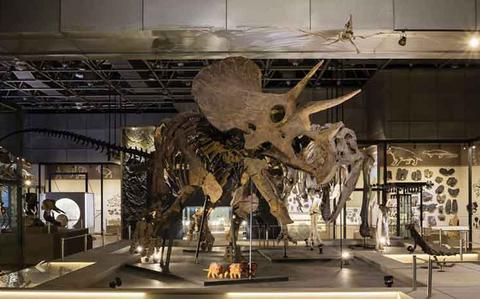
One of Korea’s premier science hubs, Gwacheon combines natural history, space exhibits, and hands-on science experiments, including a tornado simulator. The extensive campus features a Dinosaur Park and live insect observatory, with a planetarium offering dome shows for an additional ticket. Open 9:30 a.m.–5:30 p.m. Monday through Sunday except holidays, tickets cost 4,000 won for adults, with discounts for youth and seniors. Nearby Seoul Grand Park Zoo and Seoul Land invite visitors to extend their day with more family fun.
National Museum of Korean Contemporary History
Focusing on the history of South Korea’s modern republic, this museum in Seoul covers critical moments from Japanese occupation to post-war economic growth famously known as the Miracle on the Han River. Visitors can also enjoy the rooftop terrace view of Gyeongbokgung Palace and Gwanghwamun Square. Open 10 a.m.–6 p.m. most days, admission is free. It pairs seamlessly with visits to other nearby historic locations, providing a comprehensive look at Korea’s transformation into a modern nation.
Your Next Stop in Korean History Starts Today
With these nine museums offering profound, often emotional experiences and precious cultural treasures, families living in or visiting Korea must seize the chance to explore them while accessible. The mix of free and low-cost entry, engaging children’s spaces, and immersive settings means these museums are more than just tourist stops—they are vital keys to understanding Korea’s complex past and vibrant present right NOW.
For North Carolina families interested in global history, cultural education, or planning a future trip, these museums provide immediate discovery and connection to a world often overlooked yet crucial in geopolitics and cultural heritage. Don’t wait—these experiences demand your attention TODAY, offering lessons in sacrifice, resilience, and innovation that resonate globally.