
Historic Mining Towns in Utah’s Tintic Mountains Uncover Rich Stories Beyond Silver
Utah’s Tintic Mountains, once the hub of a fierce 19th-century silver and gold rush, reveal more than just abandoned mines today—they expose a living legacy of resilience and community that resonates across the American West. Visitors venturing near Eureka are encountering remnants of a tumultuous past alongside signs of ongoing life, forging a connection between history and present-day survival.
The story begins with a glimmer spotted by prospector George Rust in 1869, which led to the discovery of the Sunbeam Lode. This find ignited one of the Intermountain West’s most profitable mineral rushes. In less than a decade, more than $400 million worth of silver, gold, lead, and zinc poured from the “Tintic District,” abruptly transforming the arid sagebrush into bustling hubs like Eureka, Dividend, and Silver City.
Monuments of Ambition Still Tower Above the Landscape
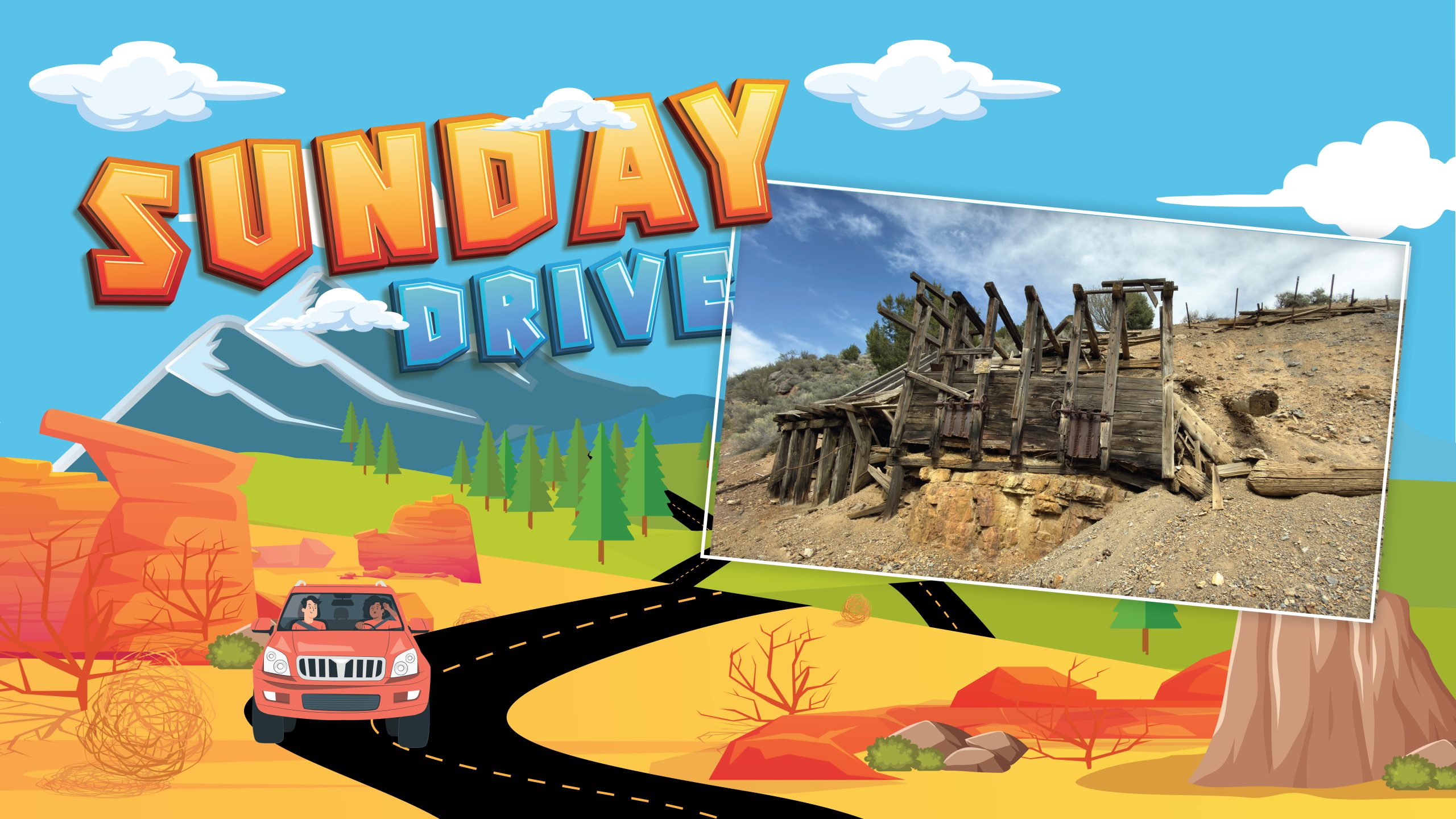
Driving through this rugged terrain today, visitors are struck by landmarks such as the imposing 70-foot headframe of the Bullion Beck and Champion Mine, which stands as a steel monument to past ambitions. The craggy hills, threaded with paved roads, mining tracks, and glinting tailings piles, tell a stark story of boom-and-bust cycles that shaped not only Utah but mining towns across the United States.
Mining activity hasn’t completely ceased. Near Mammoth, the Dragon Canyon Mine continues extraction of halloysite clay, a rare mineral now critical in paint, plastics, and cosmetics, proving these hills still hold economic value in 2026.
Life’s Hardships Etched in Old Cemeteries
History’s somber realities are perhaps best captured in the region’s scattered cemeteries. At Silver City Cemetery, headstones mark the brief lives of children like “Minnie,” who was born and died on the same day, reminding visitors of the harsh conditions endured by early settlers.
Such poignant details offer a powerful human connection beyond the economic statistics, highlighting the unpredictability and dangers of life in mining towns during the 19th and early 20th centuries.
Eureka Today: A Town Revived by Pride and Community Spirit
Despite its rugged history, Eureka thrives quietly with local businesses like Sipping Magic Coffee Apothecary, where owners keep history alive with stories steeped in mining lore. Jes, the café’s owner, proudly points out landmarks like one of the original J.C. Penney stores from 1909, illustrating the town’s longstanding commercial roots.
Visitors can explore paved roads turning off U.S. Route 6, winding past abandoned mines and old mining towns while also enjoying modern comforts. For dining, spots like B’s Hangout offer classic burger-and-fries lunches, paired well with the café’s unique Italian sodas and strong breakfast options.
Getting There and Exploring
From the nearest urban center, Park City, a trip to Eureka takes less than two hours, making it an accessible destination for travelers seeking history mixed with adventure. The route offers stops like the beautifully restored Sinclair service station in Elberta, adding vintage Americana charm.
Thrill-seekers will find numerous off-roading trails threading through the Tintic Mountains, with Little Sahara Recreation Area just 25 minutes south. Additionally, Eureka is set to become a crucial point on the expanding Utah High Desert Trail, a major overland route connecting Idaho and Arizona.
Preserving History and Connecting with the West’s Spirit
The Tintic Mining Museum and the Tintic Motorcycle Works & Museum provide cultural touchstones for those wanting deeper insights, with weekend hours and occasional midweek openings by appointment. These institutions offer windows into the past alongside stories of present-day resilience.
Notably, locals affectionately remind visitors of Eureka’s link to ice hockey history through native son Frank Zamboni, whose inventions helped revolutionize the sport.
Why This Matters Now
As communities across the United States reckon with their historical identities, places like Eureka offer urgent lessons on endurance and transformation. The continued extraction of rare minerals and preservation of historical sites underscore how boom towns can evolve without disappearing.
For North Carolina and nationwide readers, the Tintic Mountains’ story is a poignant reminder that America’s frontier spirit lives on—not just in grand discoveries but in the day-to-day pride and resilience of people who call these old mining towns home in 2026.


