Twin CEOs Spark Nationwide Buzz with Free Child Care Stipends
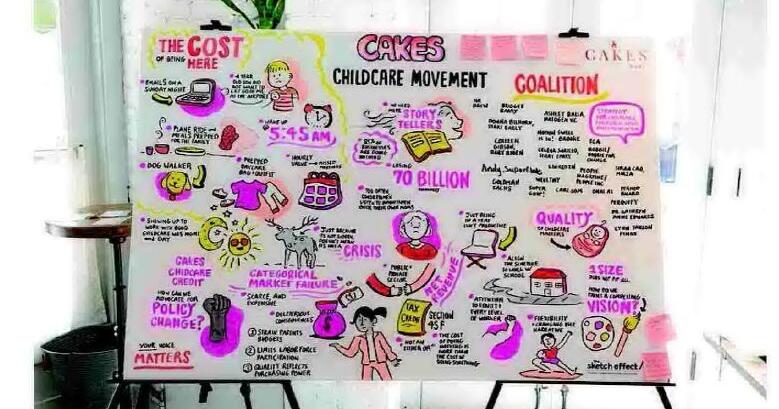
Taylor Capuano and Casey Sarai, twin sisters and CEOs, are transforming workplace benefits by offering free child care stipends of up to $3,000 monthly to their employees. Their viral announcement video on TikTok has amassed 2.4 million views, sparking a nationwide conversation about employer-supported child care.
Nearly a year after launching, the program has captured the immediate attention of parents and workers across the United States, including North Carolina, where affordable child care remains a critical issue. Thousands of comments from providers and parents alike emphasize how this initiative makes families feel seen and supported amidst rising child care costs.
Free Child Care Benefits Ignite Employee Relief and Broader Change
The program offers a direct monthly stipend reaching up to $3,000, helping families cover costs that often strain household budgets. Capuano and Sarai’s company took bold action in a tightening economic landscape, putting child care front and center as a key workplace priority. The sisters’ aggressive approach highlights child care as an urgent economic issue demanding immediate solutions.
“Parents need real support now, not promises,” Capuano said in their viral TikTok video that propelled the movement. Their approach already influences other companies considering similar benefits while fueling national debates about employer roles in family care.
In a landscape where child care expenses continue to soar, this initiative offers tangible, immediate relief and signals a shift toward family-first corporate policies. North Carolina families, business leaders, and policymakers are watching closely as this grassroots model grows momentum.
Why This Matters Today for North Carolina and the U.S.
Child care affordability is a leading barrier for working families across North Carolina and nationwide. According to recent data, parents can spend up to 20% of household income on child care, cutting deeply into economic stability. Capuano and Sarai’s stipends aim to relieve this pressure directly, promoting employee retention and better workplace productivity.
Experts say programs like these could inspire policy reform and corporate culture shifts, making child care benefits a standard part of compensation packages rather than rare perks.
The movement comes at a critical time with many employees demanding work-life balance and companies seeking innovative retention strategies. The viral TikTok moment revealed a widespread desire among workers to have their family care needs acknowledged seriously.
Next Steps: Expansion and Greater Employer Adoption
Capuano and Sarai plan to scale their program, advocating for more businesses to follow suit with comparable stipends or benefits. The sisters also engage with lawmakers and business coalitions to discuss integrating employer-supported child care into broader economic strategies.
Families in North Carolina and across the country can expect further announcements as the movement grows and more companies jump on board, driving a possible nationwide transformation in how child care supports are delivered and valued.
“Our vision is simple: no parent should have to choose between work and caring for their child,” Sarai said. “We want this standard to be the new normal.”
For parents struggling with child care expenses right now, this movement offers immediate hope and signals long-term change — and employers are starting to listen.