FEMA Moves to Rehire Dozens of Disaster Workers After January Contract Nonrenewals
The Federal Emergency Management Agency has launched efforts to rehire disaster workers whose contracts it abruptly ended in January, signaling a significant reversal amid growing concerns about the agency’s readiness for the upcoming Atlantic hurricane season and major national events.
FEMA has “initiated contact to offer new appointments” to approximately 160 term-limited disaster workers whose contracts expired in the first three weeks of January, U.S. Attorney Craig H. Missakian revealed in a court filing late Friday. This move comes following a lawsuit filed by labor unions and local governments accusing FEMA of undermining national disaster preparedness by slashing its workforce.
Sparks Fly After Sudden January Layoffs Spark Lawsuit
The agency’s decision to halt contract renewals for nearly half of its surge workforce—known as the Cadre of On-Call Response/Recovery Employees (CORE)—sent shockwaves through the disaster response community earlier this year. About 159 CORE workers faced termination without renewal, while others received only short-term 90-day extensions, triggering union-led legal action.
A coalition led by the American Federation of Government Employees (AFGE) sued FEMA, alleging the layoffs were part of a deliberate plan to reduce FEMA’s workforce by half, a move the plaintiffs say directly conflicts with FEMA’s congressional directive to maintain national disaster response capabilities.
FEMA’s temporary leader Karen S. Evans denied these accusations in a sworn declaration, stating there was no plan for a “blanket” elimination of CORE staff and insisted the agency could still meet its statutory obligations.
Shift in Leadership and Policy Under New DHS Secretary
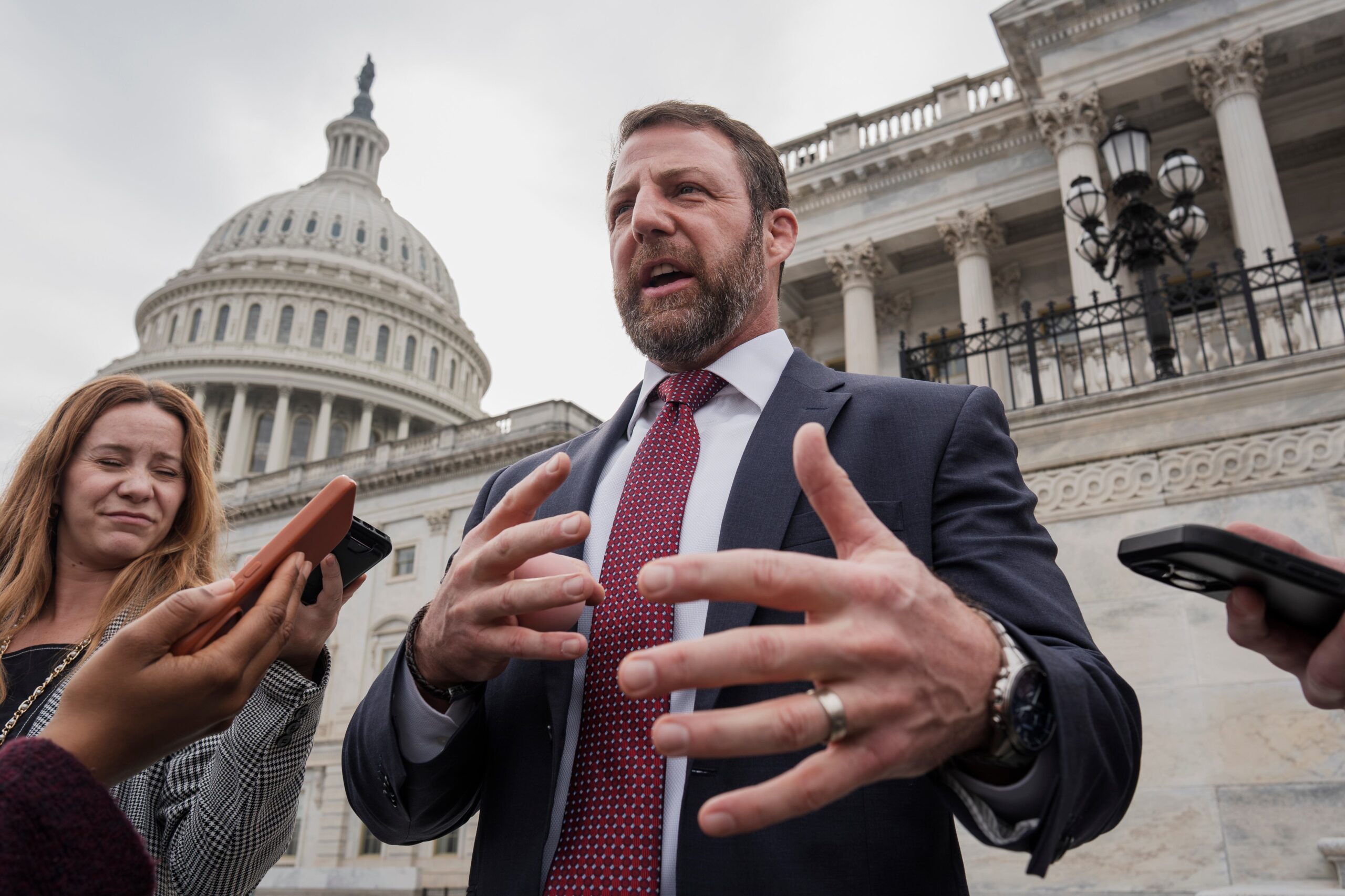
The recent developments align with a clear shift in agency policy since Markwayne Mullin took over as Secretary of Homeland Security, replacing Kristi Noem, whose administration adopted a stricter stance toward FEMA’s workforce management.
This week, FEMA also reinstated 14 employees who had been suspended for eight months after publicly dissenting against agency policies, a sign that the new leadership may be seeking to stabilize and rebuild FEMA’s operational readiness.
Implications for North Carolina and Disaster Response Nationwide
FEMA’s workforce is critical as North Carolina faces growing hurricane threats each season. The surge staff provide flexible response capacity for disasters, enabling quick action from coastal storms to widespread emergencies.
With the 2026 Atlantic hurricane season and the upcoming FIFA World Cup demanding heightened disaster readiness, reestablishing FEMA’s surge workforce is an urgent priority. One anonymous FEMA employee confirmed to The Associated Press that at least two CORE members have already received calls inviting them back to duty.
FEMA’s Workforce Stability Efforts Underway
An internal FEMA email reviewed by the AP outlined plans to renew contracts for CORE employees with end dates from January through May for up to a full year. Reservists who qualify will have their terms extended by up to two years, affecting roughly 7,000 surge workforce members whose contracts expire this spring.
“Our readiness directly impacts our ability to help Americans in need, and every employee plays a critical role in meeting these challenges,” FEMA stated in the email to staff.
Next Steps in Lawsuit and Workforce Rebuilding
The rehire announcement adds complexity to the ongoing lawsuit, with plaintiff attorneys planning further depositions and fact-finding. Former DHS Deputy Chief of Staff Joseph Guy is scheduled for deposition next week as investigators seek to understand the administration’s decision-making process.
While FEMA has not disclosed how many workers received rehire offers, the agency’s actions suggest a renewed focus on ensuring a robust surge force just months ahead of critical national incidents.
North Carolina residents and officials will be watching closely as these developments unfold, given the state’s recurring battle with severe weather and the need for effective disaster response teams on the ground.