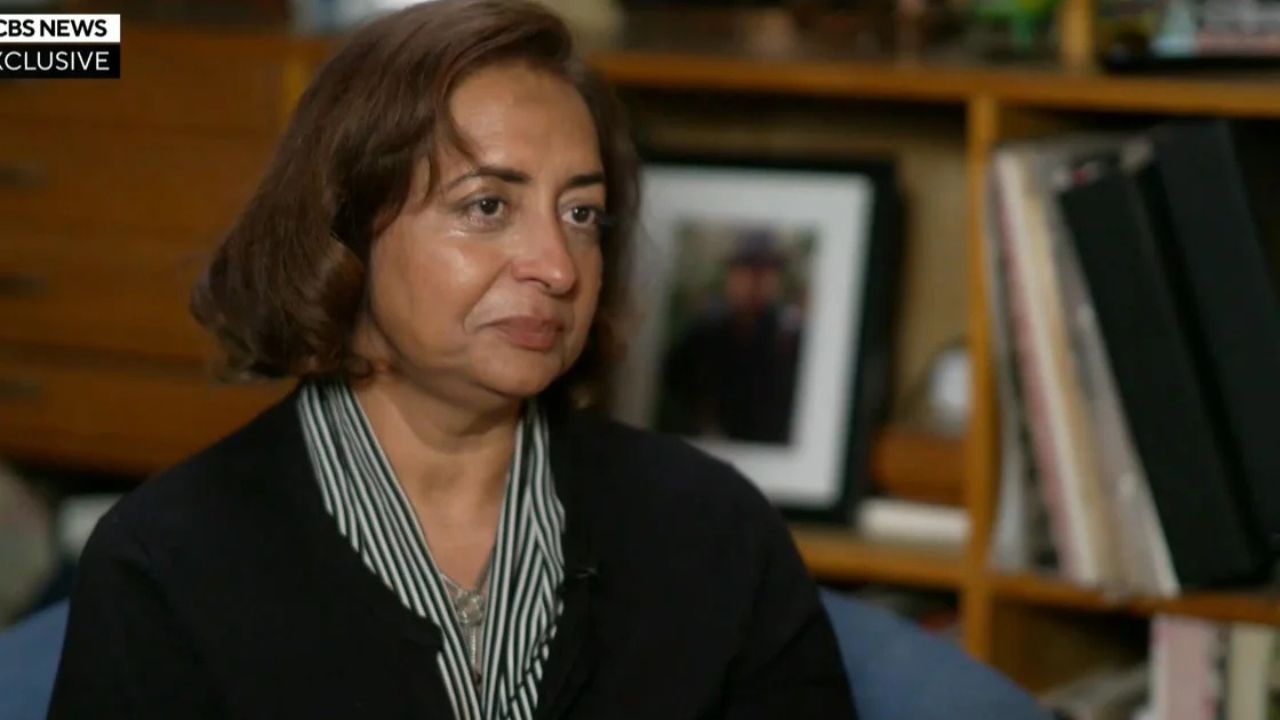
Meenu Batra, a 53-year-old court translator, was detained by U.S. Immigration and Customs Enforcement (ICE) for 45 days at a Texas airport despite carrying legal documents, revealing troubling enforcement practices that cloud immigrant rights.
On March 17, Batra was about to board a flight to Milwaukee for a work assignment when ICE agents arrested her, claiming she was in the U.S. illegally. “They told me you’re here illegally,” Batra said from the El Valle Detention Facility in Raymondville, Texas. “And I said, ‘No, sir, I have my documents with me, in my bag right now.’” Even with proof, she was held in custody for over six weeks before a federal judge ordered her release.
Federal Judge Calls Detention Unlawful, Orders Release
A federal judge ruled Batra’s detention was without “discernible reason” and ordered her released. She is now back in her Texas home with her four children. However, the legal battle is not over. A habeas corpus petition challenging the lawfulness of her detention remains pending in federal court.
Batra’s experience has sparked fear and anxiety in her family. She shared that her daughter struggles with severe anxiety, often fearful of another unexpected ICE raid. “Anytime a car passes by, she becomes fearful that somebody is here to get you,” Batra said, emphasizing the lasting trauma caused by ICE’s actions.
Immigration Background and Family Impact
Batra came to the United States as a teenager after surviving brutal political violence against her Sikh family in India. Granted “withholding of removal” asylum status, she has lived legally protected though without a path to citizenship. Her son’s recent enlistment in the U.S. Army could now open that door under immigration laws granting citizenship eligibility to parents of active military members.
Despite the turmoil, Batra maintains faith in the system but warns, “No one is safe.” She said, “I believe I have the documents, but the reality is that anyone can be targeted.”
Government Official Response and Ongoing Enforcement
The Department of Homeland Security defended the detention, labeling Batra as an “illegal alien from India” with a final removal order issued in 2000. DHS criticized the federal judge’s release order as “activist,” vowing to continue enforcement actions aggressively.
Meenu Batra responded, “They forget that aliens are humans and humans have rights,” and condemned the disparaging remarks against the judiciary as “very disrespectful.”
Life Inside Detention: A Human Cost
Batra described the emotional toll: “You become small. You start to believe that perhaps you are not equal, that you are not human.” She met many women inside who were detained despite no violent offenses, shedding light on harsh immigration enforcement mischaracterizations. The guilt of leaving others behind once released weighs heavily on her.
Her case highlights urgent issues of human rights and immigration law enforcement at a critical time in U.S. immigration policy debates. It also calls attention to how deeply the enforcement actions affect families and the immigrant community nationwide, including in North Carolina where many face similar fears and legal uncertainties.
As her case proceeds, Meenu Batra’s story remains a stark reminder of the vulnerabilities immigrants face—regardless of legal status —and the high stakes of accountability in immigration enforcement.