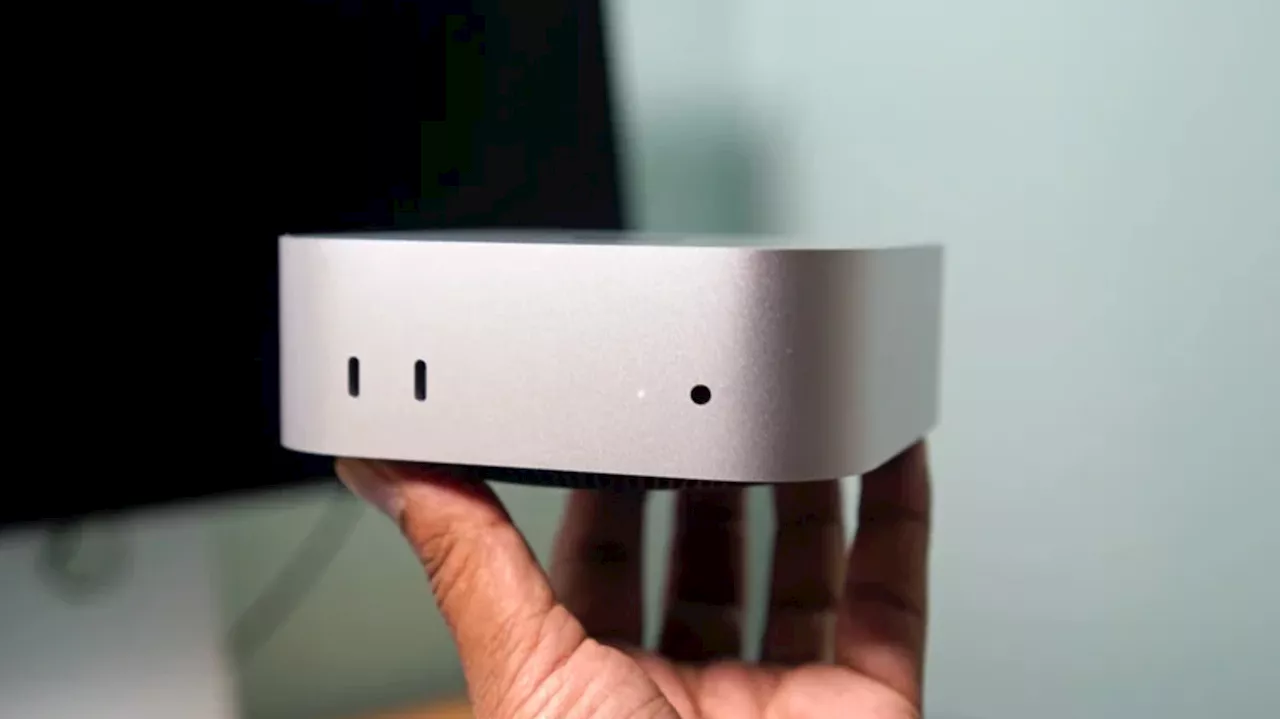
Apple has officially discontinued its $599 base Mac mini model, increasing the entry-level price to $799 as demand for AI-centric computing surges and supply chain challenges mount. This move signals a major shift in Apple’s compact desktop lineup, directly impacting budget-conscious consumers across the United States including North Carolina.
The change is live on Apple’s online store, where the Mac mini now begins at a minimum configuration featuring 512GB of storage. Apple executives attribute the removal of the lower-priced variant to overwhelming demand driven largely by the Mac mini’s emerging role as a powerful platform for running local artificial intelligence (AI) applications and large language models.
AI Demand Pushes Mac Mini Prices Up
The base Mac mini previously priced at $599 quickly gained traction among AI developers, hobbyists, and professionals experimenting with agentic AI tools on a compact, affordable desktop. The 2026 Mac mini, powered by Apple’s latest M4 chip, delivers strong performance with at least 16GB of RAM and sufficient port selection, making it ideal for AI workloads as well as general computing tasks.
Apple CEO Tim Cook recently acknowledged the unexpectedly high demand for the Mac mini and the Mac Studio, especially as go-to platforms for AI innovation. He warned that balancing supply and demand for these machines might take several months, underscoring the tight component availability issues Apple faces.
Supply Chain Constraints Drive Higher Prices
The decision to drop the $599 Mac mini is also tied to ongoing supply chain constraints impacting key components such as memory and storage. These shortages likely forced Apple to streamline its offerings and raise the minimum Mac mini configuration to one with larger, more expensive storage options.
A similar trend is impacting the Mac Studio lineup, where the base model now starts at $1099 with 512GB storage—reflecting rising costs for RAM and SSD components. For consumers seeking entry-level Apple desktops, the removal of the cheapest Mac mini package leaves a notable gap.
Impact on Consumers and the AI Landscape
Previously, the $599 Mac mini provided a rare affordable window into Apple’s desktop ecosystem, giving many users access to powerful computing for AI development and everyday tasks at a lower price point. Its removal means entry-level adopters will face a steeper barrier.
Without an alternative low-cost Mac mini model, some users may now turn to rival platforms or cloud-based AI solutions to pursue local AI projects. This shift could influence the accessibility and democratization of AI development in the US tech community, including North Carolina’s growing tech hubs.
Analysts expect Apple’s future Mac mini configurations to prioritize high-performance AI-friendly features, possibly accompanied by higher prices to offset supply costs and meet elevated market demand.
What’s Next for Mac Mini and AI Computing?
Apple has not announced plans to reinstate a $599 Mac mini or introduce a new budget option. Tech watchers will be closely monitoring Apple’s production and supply updates in the coming months to see if component availability improves.
Meanwhile, the Mac mini’s newfound prominence in AI development highlights the rapidly changing dynamics of the personal computing market as AI technology drives demand for specialized hardware. North Carolina-based developers and businesses engaged in AI and machine learning will need to adapt quickly to these evolving hardware trends.
“We are seeing an unprecedented surge in demand for Mac mini and Mac Studio driven by AI and agentic tools,” Apple CEO Tim Cook said, emphasizing the supply-demand imbalance expected to last months.
This development marks a turning point for Apple’s desktop lineup, redefining the intersection of affordability, AI readiness, and supply challenges in 2026’s competitive tech landscape.