Shipping Crisis Unfolds as Strait of Hormuz Closure Forces Urgent Trade Reroutes
Global trade is rapidly shifting as the closure of the Strait of Hormuz halts vital sea routes, forcing a sudden surge in land-based transport across the Middle East. This unexpected blockade has stunned shipping industries worldwide and triggered significant logistical upheaval just days ago, AFP reports.
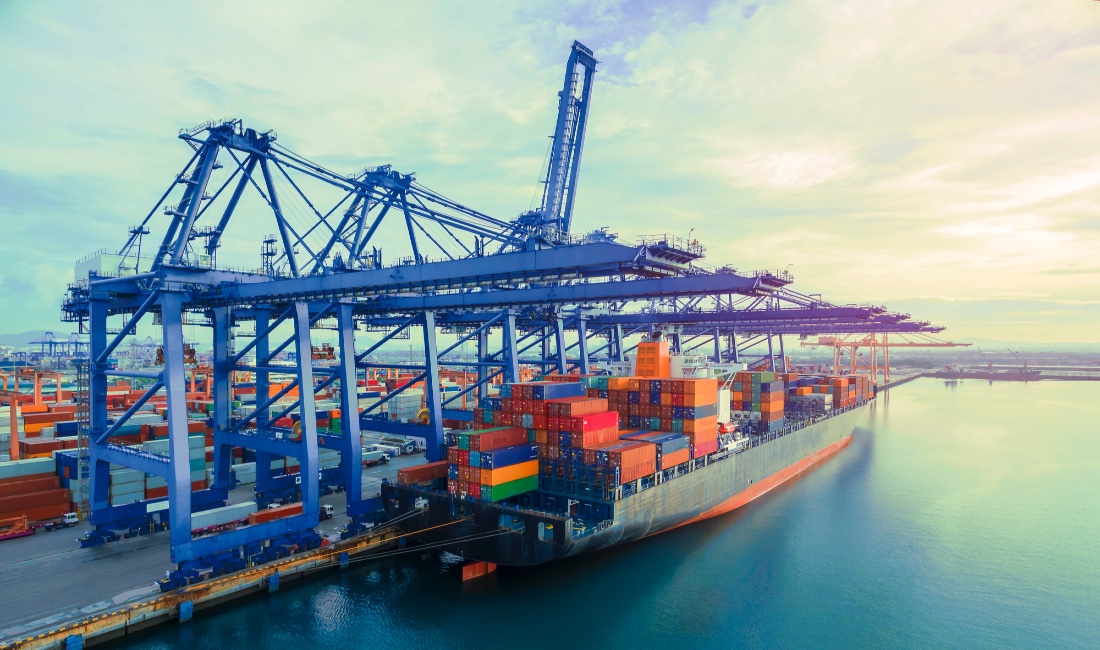
Jeddah Port in Saudi Arabia has emerged as the epicenter of this crisis, becoming a critical rerouting hub as maritime traffic diverts through the Suez Canal. Goods typically shipped directly through the Strait are now offloaded in Jeddah, then trucked to Gulf nations including Sharjah, Bahrain, and Kuwait, where sea access has been severely restricted for nearly two months.
Experts warn this sudden increase has overwhelmed Jeddah Port, which is struggling with congestion and delays due to its infrastructure not being designed for such high volumes. The strain reveals weaknesses in global supply chain resilience and highlights the urgent need for diversification of trade routes, especially as disruption continues.
Alternative Ports and Land Routes Intensify Regional Pressures
Additional ports around the Gulf, including Sohar in Oman and Fujairah and Khor Fakkan in the UAE, have become vital alternatives but are also feeling increased pressure. Meanwhile, the Aqaba Port in Jordan is playing a growing role in supporting supply chains to Iraq, particularly to cities such as Baghdad and Basra. Northern Iraq is also receiving supplies through land routes via Turkey.
This logistical pivot comes amid fears that continued blockade or instability at the Strait will cause long-term changes to global trade. Analysts now predict a reshaping of supply chains, with expensive and slower land transport replacing faster maritime shipping unless access is restored.
Why North American and Global Markets Should Watch This Crisis
For North Carolina and the wider United States, the Strait of Hormuz closure represents a critical threat to global commodity flows, especially fuel and manufactured goods. Any sustained disruption in this key nexus could ripple through US markets, driving up costs for energy, consumer products, and industrial supplies — all vital to American businesses and consumers.
The recent shift to land routes also raises concerns about increased transportation costs and delays, which may accelerate inflationary pressures globally and impact supply chains still recovering from prior crises.
What’s Next?
The situation remains fluid, with no immediate resolution in sight for the Strait of Hormuz. Shipping companies are monitoring developments closely while governments consider diplomatic and strategic options to reopen the vital waterway. Meanwhile, ports like Jeddah are scrambling to expand capacity and improve logistics to handle the surge in cargo traffic.
US markets and policymakers will be watching the Strait situation closely, given its potential to influence global trade security and economic predictability. Industry leaders urge contingency planning and diversification of shipping routes to brace for prolonged disruption.
“The closure of the Strait is reshaping trade patterns in ways that could have lasting impacts on global supply chains,” said a logistics expert familiar with regional port operations.
This developing crisis underscores the fragile nature of global trade and the urgent need for resilient transportation networks, both at sea and on land.