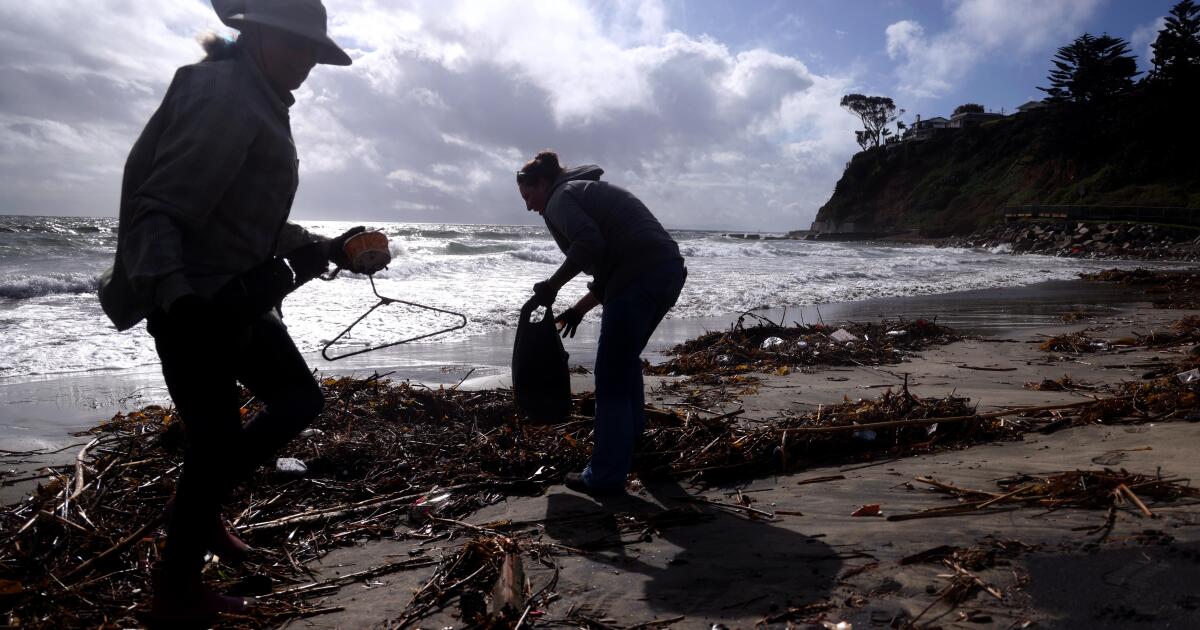
A comprehensive study has revealed that industrial chemicals, including pharmaceuticals and pesticides, are prevalent throughout the oceans, even in the most remote regions. Conducted by Daniel Petras, a biochemist at UC Riverside, alongside 29 researchers globally, the investigation analyzed 2,315 seawater samples from diverse locations such as the North Pacific, the Baltic Sea, and the coast of South Africa. The findings were published in the journal Nature Geoscience on March 15, 2024.
The research utilized a novel chemical detection technique, enabling scientists to identify every chemical present in the samples rather than just those they anticipated. This approach uncovered alarming levels of human-made chemicals, which permeated the ocean, even hundreds of miles from land. According to Douglas McCauley, an associate professor at the University of California, Santa Barbara, who was not involved in the study, the results present a “sobering view” of the extent of chemical pollution in marine environments.
At river mouths and coastal areas, the researchers discovered significant concentrations of pharmaceuticals, including beta blockers, antidepressants, and antibiotics. Additionally, illicit substances such as cocaine and methamphetamine were detected alongside insecticides and pesticides like DEET and Atrazine. In samples collected near Puerto Rico, these pollutants accounted for nearly 20% of the dissolved organic matter.
As the study progressed further from the coastlines, the concentration of these chemicals diminished but did not vanish entirely. Notably, even hundreds of miles offshore in the California current, researchers found significant levels of industrial chemicals derived from petroleum-based plastics, constituting between 0.5% and 4% of the organic material present.
The implications of these findings are profound. The authors noted that plastic-derived carbon, including micro- and nano-plastics, contributes substantially to the marine carbon pool. McCauley expressed concern about the potential effects of these pollutants on ocean health, stating, “We need to learn now about how these chemicals, in the concentrations they are being detected, are affecting ocean species—from plankton to whales.”
Petras emphasized the uniqueness of the study, highlighting its use of a detection method that screens for all chemical structures present in the samples. This methodology enables researchers to hypothesize about the origins of these compounds, marking what he described as the first large-scale meta-analysis of its kind. The team analyzed three laboratories’ standardized sets of open-source mass spectrometry data, providing a robust foundation for future research.
The analysis raises critical questions for the scientific community regarding the impact of these industrial pollutants on global carbon cycling. The carbon cycle is vital for regulating the planet’s temperature and supporting life, as it involves the continuous exchange of carbon among the atmosphere, oceans, land, and geological reservoirs.
According to Petras, the majority of ocean water samples consist of metabolites produced by microbial communities, which play a crucial role in carbon cycling. The introduction of human-made molecules into this process could alter microbial behaviors and interactions. “We assume there might also be a substantial contribution of human-made molecules in this cycling. But to what degree this might influence microbial communities and global carbon cycling is largely unknown,” he stated.
In an ideal scenario, microbes may assimilate and recycle these chemicals, releasing them back into the atmosphere as carbon dioxide. However, the potential risks associated with the presence of herbicides and other chemicals in significant quantities could disrupt these natural processes. Petras noted the importance of addressing and experimentally testing these concerns in laboratory settings to better understand the implications for ocean ecosystems.
This groundbreaking research underscores the urgent need for further investigation into the extent of chemical pollution in our oceans and its effects on marine life and global environmental health. As the study illustrates, human activities have far-reaching consequences, and the oceans are increasingly becoming a repository for synthetic chemicals that could have lasting impacts on the planet.