UPDATE: A critical shift in Sudan’s political landscape is underway as the Sudanese Armed Forces (SAF) increasingly align with the ideologies of the Muslim Brotherhood. This alarming development raises urgent questions about international policy towards Sudan, particularly as the country grapples with a devastating civil war.
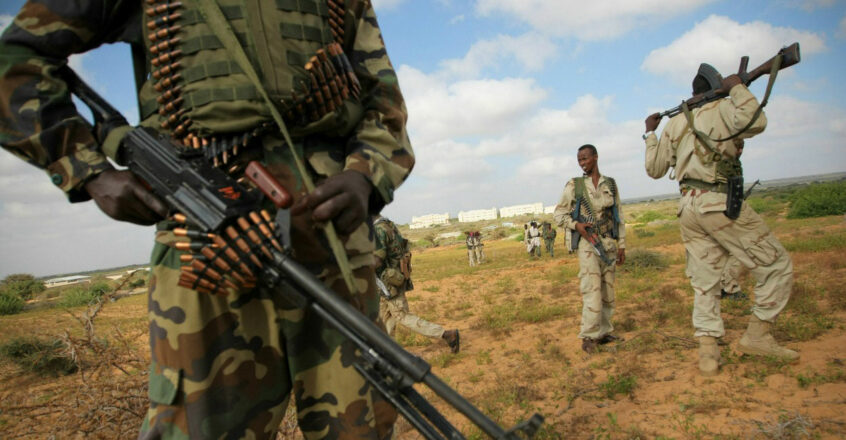
Reports confirm that the SAF, under General Abdel Fattah al-Burhan, has been infiltrated by Islamist elements, undermining prospects for peace and democratic reform. As violence escalates, the international community faces a significant dilemma: treating the SAF as a conventional army while it operates under the influence of Islamist militias and political networks.
The SAF’s connections to the Brotherhood have deep roots, dating back to the coup that brought Omar al-Bashir to power in 1989. Former key figures from the Bashir era, such as Ali Karti, Ali Osman Taha, and Ahmed Haroun, have regained influence, effectively embedding themselves within the military’s leadership. This has allowed them to perpetuate a system of violence and exclusion, particularly against marginalized communities, including the Fur, Nuba, and Zaghawa ethnic groups.
In light of these developments, the U.S. Department of State has previously sanctioned Karti for obstructing peace efforts. The SAF’s actions have raised alarms, including reports of atrocities against non-Arab ethnicities, as highlighted by a 2025 CNN report detailing horrific violations of humanitarian law.
Humanitarian aid remains critically blocked, with the SAF reportedly using starvation as a weapon against civilians. The situation continues to deteriorate as thousands of Islamists from the former regime have reportedly joined forces with the SAF, intensifying the ongoing conflict.
Authorities confirm that the SAF’s entrenchment with Islamist networks poses a severe risk to peace negotiations and democratic transitions. Groups like the Civil Democratic Alliance for Revolutionary Forces (Somoud) are calling for international support to promote a civilian-led government while confronting the military’s obstructionist tactics.
On social media platforms, Somoud has urged for the criminalization of Brotherhood-aligned Islamist brigades, emphasizing their anti-democratic ideologies. Meanwhile, the Sudan Founding Alliance (Tasis) is advocating for a secular, democratic Sudan, challenging the violent status quo.
The international community must reassess its engagement with the SAF to ensure it does not inadvertently bolster the very actors blocking peace. As the situation escalates, leaders such as Burhan, Karti, Haroun, Taha, and Abdallah remain pivotal figures in this complex web of power, raising critical questions about the future of Sudan’s democratic aspirations.
The need for a robust response from international partners is urgent. How will nations respond to the growing influence of the Muslim Brotherhood within the SAF? Will they continue to support a military that jeopardizes Sudan’s path to peace and democracy? As these questions loom, the world watches closely, and the time for action is now.