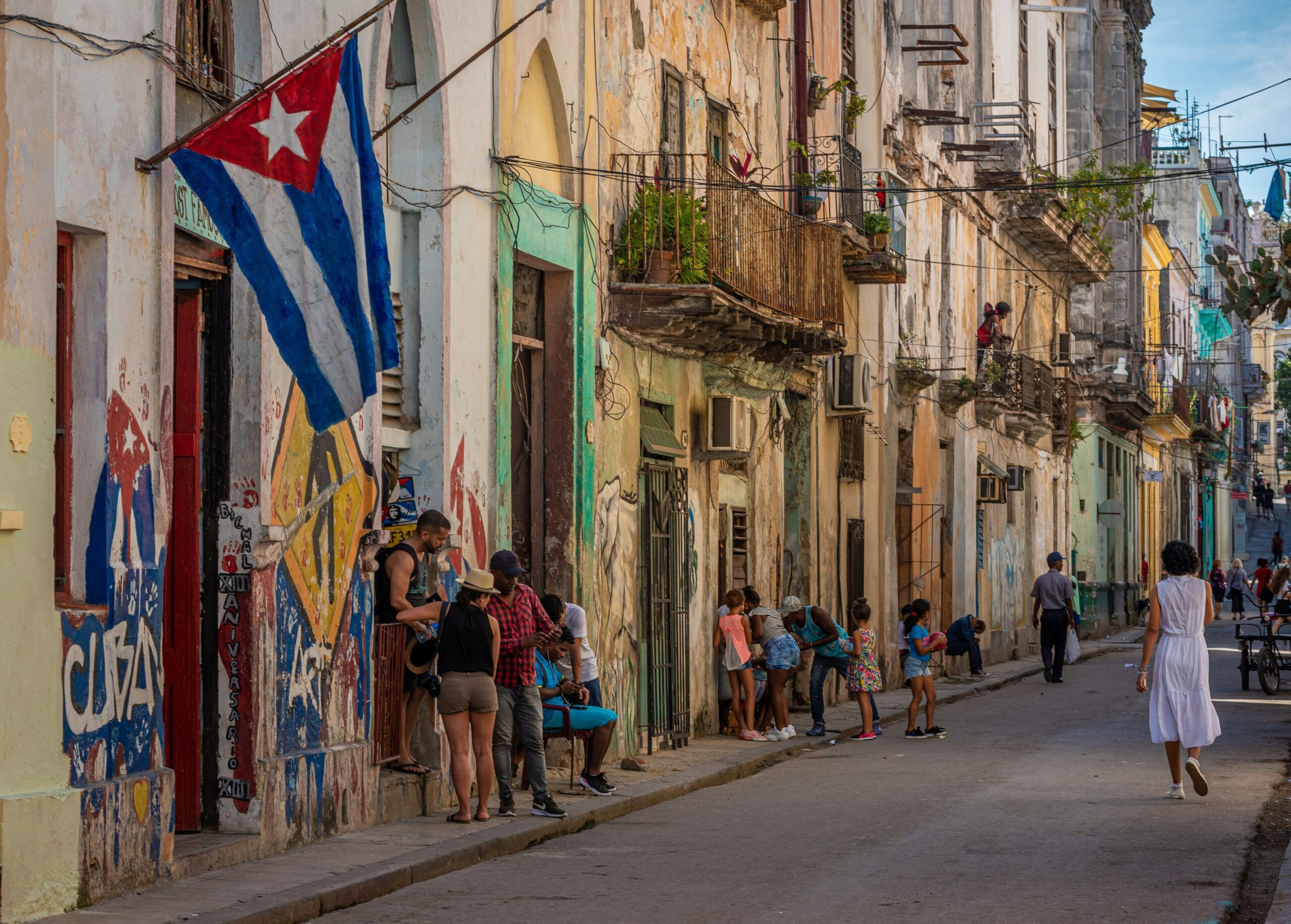
Washington, D.C. – Congressman Jonathan Jackson is raising alarm over the ongoing 60-year U.S. blockade of Cuba after returning from a critical fact-finding trip, urging Ireland and the international community to take bold action against what he calls “cruel collective punishment” on the Caribbean island.
Jackson, who serves on the House Subcommittee on the Western Hemisphere, spent five days in Cuba this month witnessing the devastating human toll caused by the embargo that has restricted vital fuel and medical supplies. His urgent message came amid growing global scrutiny of the embargo’s impact amid Cuba’s emerging economic reforms.
Starving Hospitals and Communities: The Human Cost of the Blockade
“The United States blocked a single drop of oil from entering Cuba for over three months,” Jackson declared, detailing severe shortages of electricity that jeopardize life-saving equipment for premature babies in incubators. The blockade restricts fuel for school transportation, health treatments including cancer care, and even water supplies, as pumps fail without power.
“This embargo is an economic bombing of Cuba’s infrastructure causing permanent damage and untold suffering. It must stop immediately,” Jackson said.
Food production has plummeted to just 10 percent of the island’s needs, forcing families to live without refrigeration and businesses to close. This nationwide crisis starkly contrasts with recent government moves in Havana, where President Diaz-Canel released over 2,000 prisoners and began liberalizing economic policies, including allowing Cuban-American entrepreneurs to invest.
Diplomatic Snub Highlights Deep US Divisions
Jackson’s mission escalated the urgency after an unexpected diplomatic slight: the US Embassy in Havana refused to meet with the congressional delegation, leaving Jackson and colleagues to navigate this humanitarian investigation without official support. This denial underscores a fractured US approach even among government branches.
“It’s a strange and troubled land,” Jackson noted, reflecting on the bizarre refusal by his own government’s diplomats to engage with elected officials seeking fact-based understanding of a crisis 90 miles from the US coastline.
Jackson’s Call to Ireland and Global Allies
Turning to the international stage, Congressman Jackson implores the Republic of Ireland, which will hold the European Union Presidency this year, to take a leading role in breaking the silence. Ireland’s traditional neutrality and influence among unaligned nations make it uniquely positioned to voice opposition to the longest embargo in modern history.
Jackson recognizes the complex global landscape shaped by recent conflicts but stresses the moral imperative for “neutral” countries to stand against collective punishment of civilians. His appeal follows controversy back home, where Irish band Kneecap criticized the embargo on a trip to Cuba and faced political pushback.
“We need allies with courage to pressure the US Congress and administration to end this cruel blockade, especially those with diplomatic leverage like Ireland,” Jackson stated.
The Legacy of Rev. Jesse Jackson
This demand echoes the legacy of Jackson’s father, the late Rev. Jesse Jackson, a civil rights icon who famously broke barriers by inviting Fidel Castro to church during his 1984 visit and opposing the embargo. Congressman Jackson continues that work, pushing for practical solidarity beyond rhetoric.
The unfolding humanitarian emergency in Cuba compels immediate action from US leaders and international partners alike. With American lawmakers divided and diplomatic channels strained, the call to global allies like Ireland to speak out grows louder, highlighting the urgent need to reassess decades-old Cold War policies causing critical suffering today.
What’s next: Jackson’s message is poised to influence upcoming EU discussions under Ireland’s stewardship, while renewed debate inside US Congress looms over sanctions and foreign policy toward Cuba, signaling a potential shift in a longstanding geopolitical stalemate.