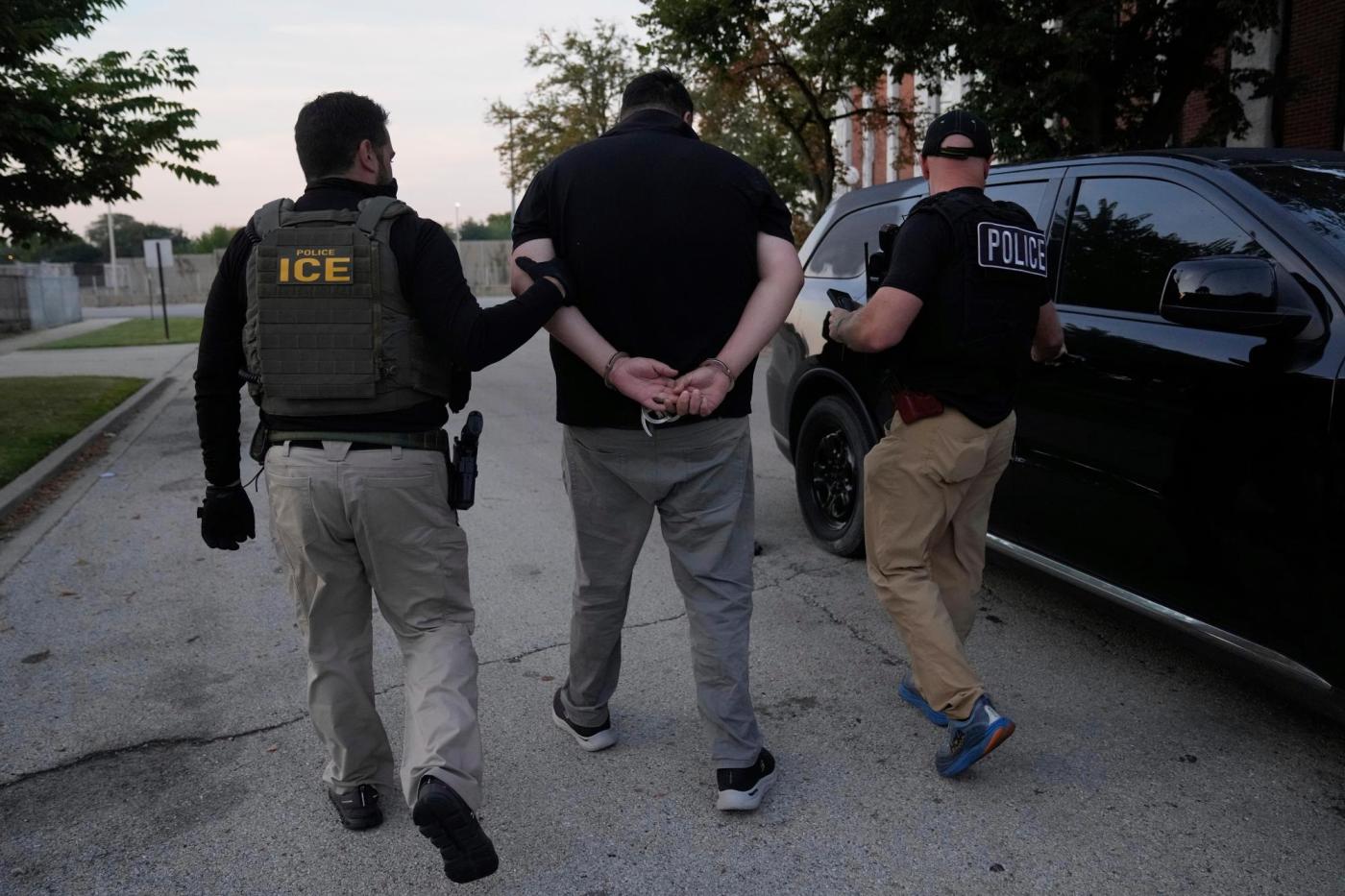
The rise in immigration arrests has led to a significant increase in habeas corpus petitions filed by attorneys across the United States. In many cases, these petitions represent the last avenue available for individuals seeking release from detention. Legal experts note that prior to the implementation of strict immigration policies, such as zero-tolerance initiatives, habeas corpus petitions were not as widely utilized.
Habeas corpus provides a mechanism for both U.S. citizens and non-citizens to challenge the legality of their detention in federal court. According to Laura Quintero, an immigration attorney based in Orange County, Florida, legal professionals are increasingly relying on this tool to ensure accountability in the immigration system. She described this shift as a transformation of what was once an uncommon legal remedy into a vital defense against potentially unlawful detention.
In recent years, the environment surrounding immigration enforcement has changed dramatically. During the Trump administration, policies shifted towards mandatory detention, complicating the ability for individuals to secure their release through bond hearings. As a result, the number of habeas corpus petitions surged, with ProPublica reporting that more than 18,000 habeas challenges were filed in the first 13 months of the Trump administration alone, exceeding the total number filed since 2009. In Florida specifically, there have been 912 habeas corpus cases filed in federal court since January 2023.
The concept of habeas corpus, which allows detainees to contest their detention, faced scrutiny during the Trump administration, with the former president even suggesting the possibility of suspending this constitutional right. The U.S. Constitution permits suspension of habeas corpus only during instances of rebellion or invasion. Despite these discussions, habeas corpus petitions have played a critical role in halting deportations under the Alien Enemies Act, particularly for Venezuelans seeking asylum. Last year, several Venezuelan detainees were sent to a maximum-security prison in El Salvador, but federal judges have since ordered their return to challenge their deportations.
High-profile cases have also highlighted the importance of habeas corpus petitions. Individuals such as former Columbia University graduate student Mahmoud Khalil and Tufts University student Rumeysa Ozturk have drawn national attention as their detentions were challenged in court. The costs associated with filing a habeas corpus petition can be substantial, typically ranging from $6,000 to $8,000 in federal court, with some cases in Florida exceeding $10,000, according to immigration lawyer Luis Angeles.
The influx of habeas corpus petitions has created challenges for courts nationwide. The Associated Press reported that the legal system is becoming increasingly burdened by the sheer volume of cases. In response to this growing issue, Tricia McLaughlin, a spokesperson for the Department of Homeland Security, stated, “The Trump administration is more than prepared to handle the legal caseload necessary to deliver President Trump’s deportation agenda for the American people.” She emphasized the administration’s commitment to enforcing immigration laws.
As of late January 2023, Immigration and Customs Enforcement (ICE) reported holding nearly 71,000 immigrants in detention centers, reflecting the intensified enforcement climate. Quintero noted that in this evolving landscape, habeas corpus remains one of the most effective legal tools available to those facing detention.
One recent success story involved Johnny Rondon-Rodriguez and his wife, Fadya Contreras de Rondon, who were released from ICE custody in Orange County after their attorneys filed a habeas corpus petition. Rondon-Rodriguez expressed confusion over their arrest, stating they had complied with all legal requirements and attended their immigration appointments. “Hope exists when you feel the law is respected,” he shared. “But with so many irregularities that are happening, it’s difficult, you begin to lose faith. Thank God I met people who were just as decent and educated.”
Quintero emphasized that habeas corpus is more than just a legal filing; it represents a crucial affirmation of due process in the face of challenging circumstances. The ongoing rise in immigration arrests and the corresponding legal actions underscore the critical intersection of immigration policy and individual rights in the United States today.