U.S. Eyes Possible Shift on Falklands Sovereignty in Wake of UK Tensions
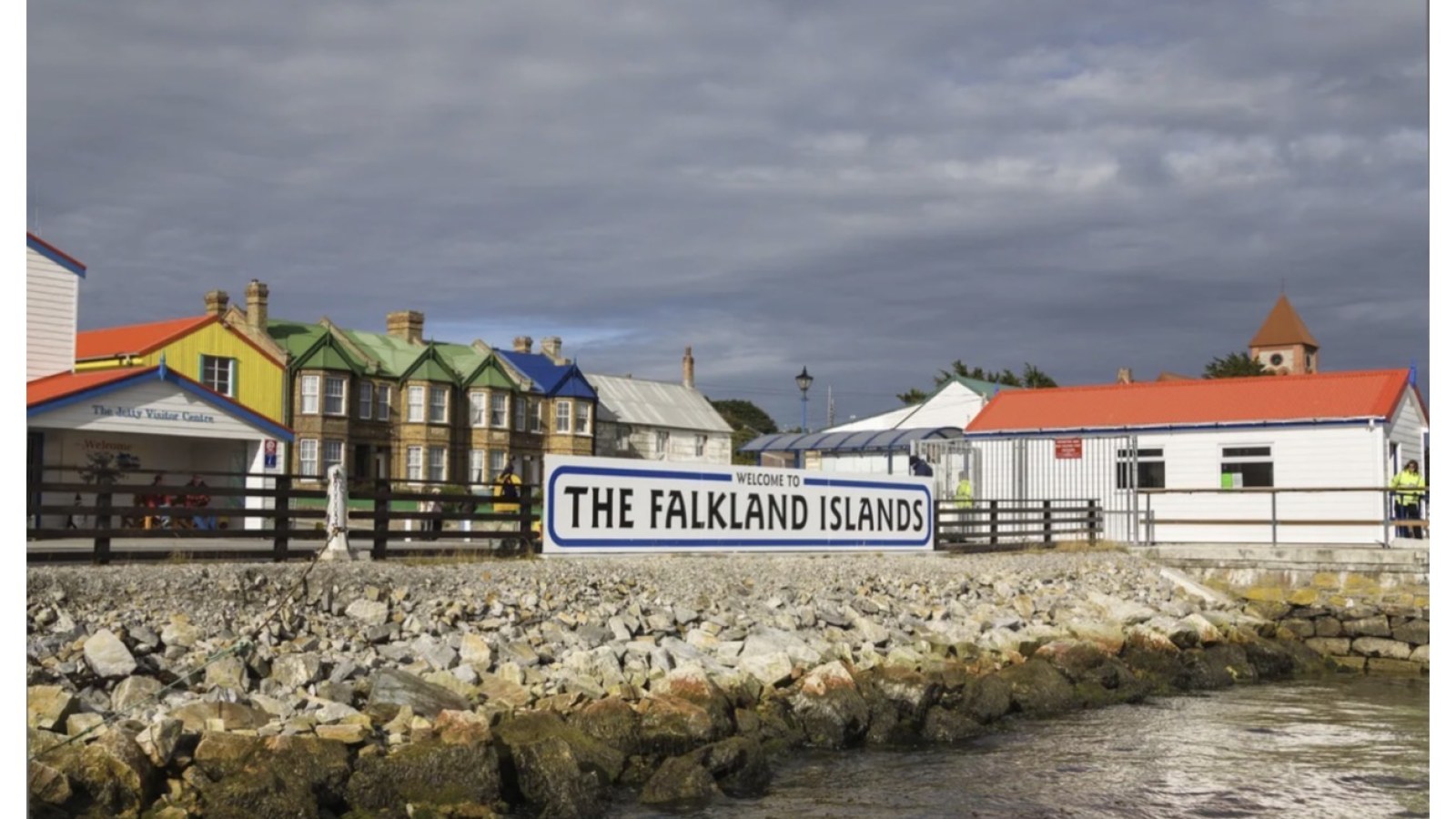
The United States is reportedly reconsidering its long-standing support for British sovereignty over the Falkland Islands, a move that could mark an unprecedented shift in transatlantic relations, according to a newly leaked Pentagon document obtained by Reuters. This review comes amid rising tensions tied to military disagreements over Iran, challenging the traditional alliance between Washington and London.
The internal assessment reveals mounting concern within U.S. defense circles about the reliability of the United Kingdom in recent international military operations, particularly its handling of conflicts involving Iran. This strain has prompted U.S. officials to explore diplomatic leverage tools, including revisiting their historic position backing British control over the disputed Falklands (Malvinas), a territory claimed by Argentina that was the subject of a deadly 1982 war.
Tense Alliance Shifts Raise Stakes in South Atlantic
For decades, the U.S. has championed the principle of self-determination for the approximately 3,400 residents of the Falklands, siding with the UK in one of Latin America’s most sensitive sovereignty disputes. However, the leaked report suggests this stance is now part of a broader strategic reassessment linked to the UK’s limited support for U.S. military efforts against Iran.
While no formal policy change has been announced and both the U.S. Department of Defense and the UK Ministry of Defense have declined to comment on the document, defense analysts warn that any U.S. shift could have far-reaching diplomatic consequences. In Latin America, Argentina’s claim remains a rallying point, and a change in U.S. support could embolden Buenos Aires amid President Javier Milei’s vocal pro-Trump and pro-Israel stance.
Broader Global Implications Amid Iran Conflict
The possible reevaluation is linked to the ongoing geopolitical strain caused by the conflict with Iran. Washington has pushed for broad allied backing in its military strategies, but variations in support levels—especially between the U.S. and UK—have sparked internal debate on alliance loyalty and burden-sharing.
This situation is unique, reflecting how immediate security concerns over Iran are now directly influencing long-standing territorial disputes far from the Middle East, in the South Atlantic Ocean. The document reportedly frames the Falklands issue as part of contingency planning rather than an imminent policy reversal, showing the Pentagon is weighing all options in a rapidly shifting global security landscape.
What Comes Next?
The United States’ traditionally strong alliance with the United Kingdom is facing one of its toughest tests, with implications that go beyond the Falklands dispute. Watch for updates on official statements, possible diplomatic outreach, or formal policy announcements as this story develops in real time.
For North Carolina and U.S. readers, this represents a rare example of how global military conflicts and alliance tensions directly reshape U.S. foreign policy in distant strategic regions, potentially affecting geopolitical stability and U.S. relations in Latin America.
“The Pentagon is actively assessing the impact of allied disagreements on strategic cooperation,” a defense source told Reuters.
The story remains fluid with many unknowns. The NC Voice will continue monitoring this developing situation as it unfolds.