Three Major Firms Granted Exemption from Electronic Cargo Tracking by Customs
The Bureau of Customs (BOC) has officially exempted three accredited members of its Authorized Economic Operator (AEO) Program from the mandatory implementation of the Electronic Tracking of Containerized Cargoes (E-TRACC) System, a move expected to accelerate cargo movement and reduce costs for exporters.
The exemption, confirmed in Customs Memorandum Order No. 04-2026 and detailed in AOCG Memo No. 70-2026 dated April 27, applies specifically to Brother Industries Philippines Inc., Panasonic Manufacturing Philippines Corp., and Mitsubishi Motors Philippines Corp.. These firms, recognized as AEO Level 1 members and simultaneously registered with investment promotion agencies, are now spared the requirement to use electronic customs seals (ECS) under the E-TRACC system during cargo shipments.
Faster Shipments and Cost Savings for Exporters
This exemption is designed as “an attractive incentive” to encourage participation in the AEO Program, which represents a key customs-to-business partnership aimed at securing and facilitating international supply chains. The move directly responds to ongoing exporter concerns over the E-TRACC requirement causing shipment delays and increased operational expenses.
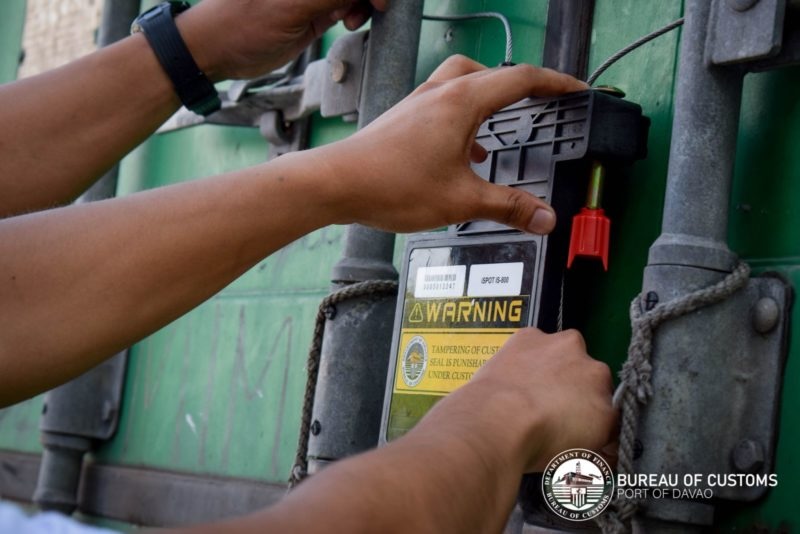
The E-TRACC System, launched in 2020, is a web-based platform that tracks the inland movement and condition of containerized cargo, sending real-time alerts on potential diversions or tampering. Its implementation required shipments to carry an electronic customs seal (ECS) when moving through various customs facilities.
Under the new memorandum, air and sea cargoes bound to or from Freeport Zones that are handled by accredited AEO firms with investment agency registration will no longer need an ECS. This change includes shipments to container yards, customs bonded warehouses, Free Zones, inland customs offices, and export points, significantly simplifying clearance procedures.
Industry Groups Applaud Move as Major Boost
The exemption has been welcomed by the Philippine Economic Zone Authority (PEZA), which views it as a critical step toward lowering operational costs and streamlining export processes. The Philippine Exporters Confederation, Inc. had earlier urged suspending the E-TRACC implementation for exports, citing unnecessary delays and added costs.
While the exemption applies only to AEO members currently, PEZA has called on the Bureau of Customs to extend similar privileges to all 100% export-oriented electronic companies, further expanding the potential benefits across industries.
AEO Program and E-TRACC: Background
The BOC’s AEO Program, launched in December 2019, aligns with the World Customs Organization’s SAFE Framework to enhance global trade security and facilitate legitimate shipments. It currently covers accredited importers and exporters meeting international standards for compliance and security.
The E-TRACC system plays a vital role in monitoring container shipments throughout their journey, adding layers of cargo security but also administrative requirements and costs. CMO No. 04-2026 amends previous regulations to maintain transport surety bonds but relaxes electronic sealing for qualifying companies certified as trusted partners by both customs and investment agencies.
What’s Next for Exporters
Exporters and importers should monitor upcoming customs updates as the BOC implements these changes in real time. Other businesses registered with investment promotion agencies may lobby for inclusion in future exemptions, potentially easing supply chain hurdles nationwide.
For North Carolina businesses engaged in global trade and supply chains, this development highlights a growing international trend balancing security with efficiency—one that may impact US export-import practices and cross-border logistics in the coming years.
The Bureau of Customs’ decisive actions mark a key shift in how containerized cargoes are tracked and managed, signaling relief for some of the region’s most export-dependent companies right now.