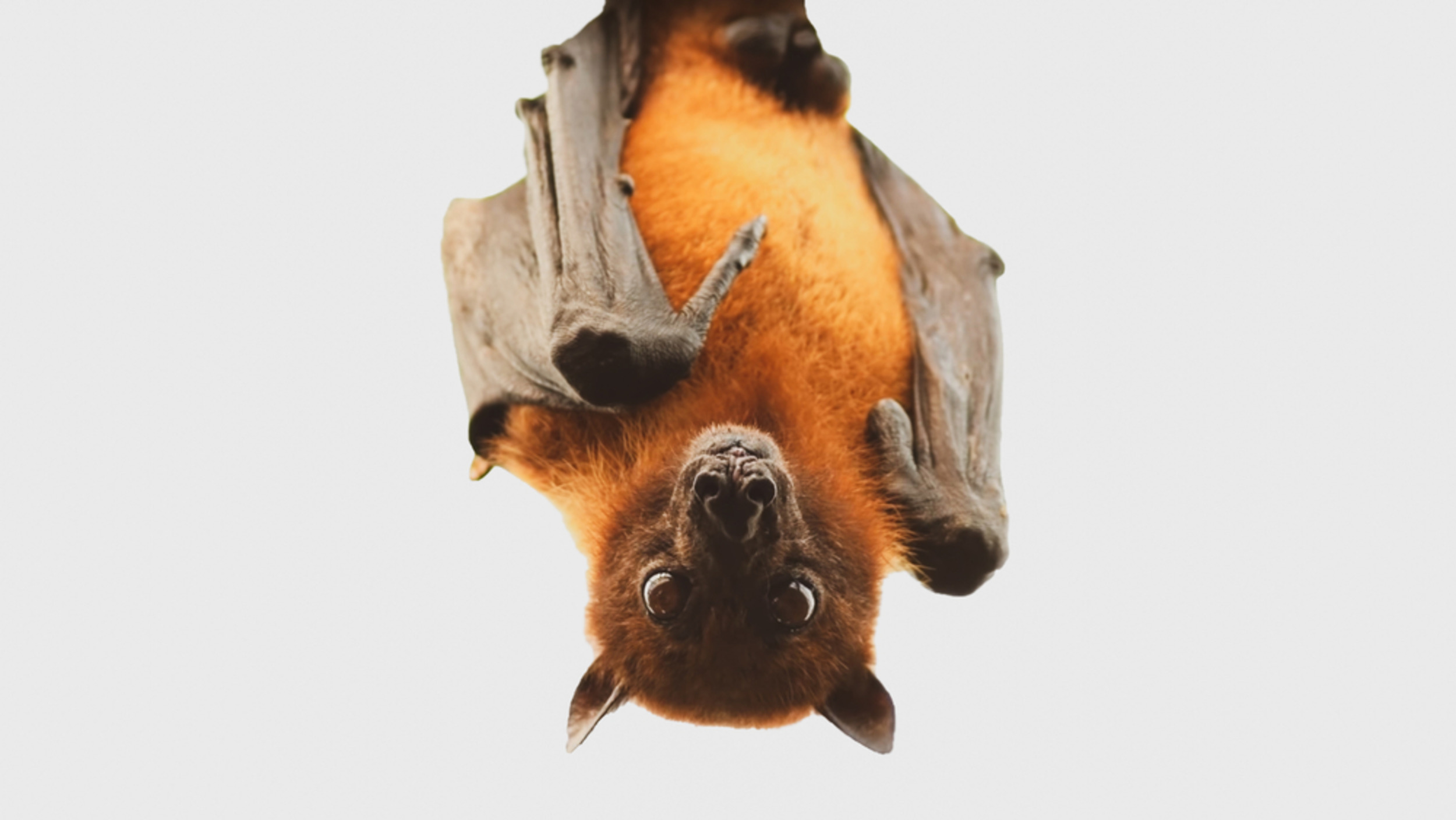
New Research Identifies High-Risk Bat Species Driving Potential Pandemics
Public health experts have warned about bats as sources of deadly viruses for 25 years—but now groundbreaking research reveals only specific bat lineages carry the highest pandemic risk, reshaping global surveillance strategies.
A collaboration between the University of Oklahoma and Yale University just released a pivotal study, published in Communications Biology, confirming that the perceived universal threat from all bats is misleading. Instead, the threat is concentrated in a few families, primarily the horseshoe bats (Rhinolophidae), known reservoirs of SARS coronavirus ancestors, and select free-tailed and vesper bats that often roost near humans.
Lead author Caroline Cummings and her team developed a new metric called viral epidemic potential, blending factors like virus lethality, transmission, and death toll to score nearly 900 mammal species. When mapped onto the mammal family tree, only a limited number of bat groups showed significantly elevated risks, overturning decades of blanket assumptions.
Hotspots of Risk Overlap With Intense Human Activity
The team then cross-referenced these high-risk bat species with the global Human Footprint Index—a measure of human pressures like urban sprawl, agriculture, and infrastructure. Alarmingly, hotspots emerged in Central America, coastal South America, equatorial Africa, and Southeast Asia, regions where dangerous bats and intense human encroachment collide.
This finding aligns with independent research from the University of California San Francisco, revealing that coronavirus presence in bats increases with agricultural expansion and deforestation, intensifying spillover threats.
Why This Matters Now—And What Comes Next
This crisis hits home for the United States, including North Carolina, where agriculture, forest edges, and expanding development meet wildlife habitats. Efforts to indiscriminately cull or destroy bat roosts after spillover scares could backfire.
“Disturbing bat colonies causes stressed bats to shed more viruses, increasing disease risk,” warns Caroline Cummings.
Beyond public health, bats provide crucial ecological services. A University of Chicago study linked the loss of North American bats to a 31 percent surge in pesticide use and over 1,000 additional infant deaths, underscoring the economic and health costs of bat population collapses. Bat Conservation International estimates that insectivorous bats save U.S. farmers nearly $3 billion annually in pest control.
Targeted Surveillance to Prevent Future Pandemics
This refined focus allows health agencies to concentrate surveillance on high-risk bat clades without wasting resources on thousands of low-risk species. It also frees up capacity to monitor other mammal groups like rodents, primates, and livestock, all known reservoirs for zoonotic diseases.
The critical takeaway is clear: pandemic risk hinges not solely on bats but on human choices where forests meet farms and cities. Mitigating habitat destruction, controlling urban expansion thoughtfully, and preserving natural ecosystems will be essential to preventing the next major outbreak.
North Carolina and U.S. policymakers, health officials, and conservationists should heed this urgent call for precision in bat monitoring to safeguard both public health and the environment.
Stay updated with The NC Voice for the latest developments on zoonotic threats and wildlife conservation efforts impacting our region. Subscribe to our newsletter for exclusive content and breaking news.