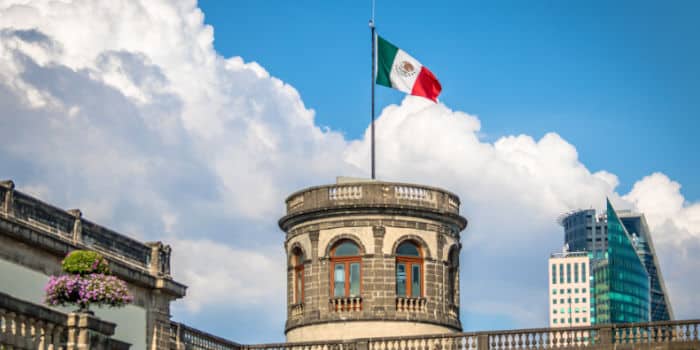
Mexico’s gambling regulator firmly denies claims that it approved 20 casino licenses linked to a company connected to a jailed former official tied to organized crime, amid fresh controversy shaking the nation’s already scandal-plagued gaming sector.
The allegations, first published by Reforma newspaper, charged that the General Directorate of Games and Sweepstakes quietly issued licenses in the last year of ex-President Andrés Manuel López Obrador’s government to Compañía Operadora Clié, a firm allegedly linked to the family of Hernán Bermúdez Requena. Bermúdez Requena, former state security chief in Tabasco, remains in custody on accusations of leading a criminal group tied to the Jalisco New Generation Cartel, a violent cartel designated as a terrorist organization by the US Treasury Department.
In a strong response, Mexico’s Interior Ministry (SEGOB) said the licenses were only issued after a court ordered it to comply via administrative ruling, and stressed that none have been activated to operate casinos. Officials clarified that the permits were not directly assigned to Clié, but rather belong to separate entities—and many licenses, including for casinos like Centenario and Diamante, plus the CrownCityBets online platform, have been suspended.
Former SEGOB head Luisa María Alcalde, who held office under López Obrador, backed up the regulator’s statements, emphasizing that Clié received only one license back in 2017 under the administration of Enrique Peña Nieto. She added the additional licenses mentioned were outcomes of a legal dispute rather than new approvals, and came with restrictions banning common casino games such as slots or table games.
“I had never seen this Requena character in my life. In all the positions I have held, I have never committed a single act of corruption or dishonesty,” Alcalde declared, pushing back against corruption allegations trying to link her to Bermúdez Requena.
The latest denial comes amid ongoing scrutiny of Mexico’s gambling industry, which has faced repeated scandals. Earlier in 2026, the US Treasury sanctioned several individuals and casinos connected to the Northeast Cartel, another criminal group involved in illicit casino operations.
The Association of Licensees and Suppliers of the Entertainment and Gambling Industry in Mexico (AIEJA) also urged for responsible and fact-based reporting to protect confidence in the sector, calling it “tightly regulated” despite recent controversies.
For readers across North Carolina and the US, these developments highlight how organized crime continues to infiltrate international gambling markets, posing security and regulatory risks that echo in global efforts to monitor illicit financial flows.
What’s next: Authorities are set to further investigate claims and continue suspending suspect permits, ensuring no illegal casino activity begins without full regulatory compliance. Observers will watch how Mexico clamps down on cartel-sponsored gambling to avoid domino effects that might reach US borders and markets.
In the fast-changing world of organized crime and gambling, this case remains one of Mexico’s most high-profile legal puzzles, revealing deep challenges for transparency and law enforcement in one of America’s closest neighbors.