Hue, Vietnam — Former Vietnamese nuns are overcoming deep social stigma as they rebuild their lives outside religious communities, creating new paths through family life, lay ministries, and local support networks. The reality of leaving sacred vocations is shaping into a growing human story of resilience and transformation.
Therese Ton Nu Thuy Loan, 37, left her religious congregation at age 24 amid tensions and lack of support, only to face whispers and judgment in her parish. “I felt desperate and worried about how I could rebuild my life,” Loan said. Her family initially feared parish gossip but eventually accepted her decision after painful explanations.
Religious life in Vietnam is highly respected and linked to family honor, so leaving convents can bring isolation and economic hardships. Maria Madeline Do Thi Ngoc, 66, a former novice forced out during government crackdowns in the late 1970s, now leads efforts to help women like Loan heal and reintegrate. She has supported over 110 former sisters through lay spiritual groups, vocational training, and material aid.
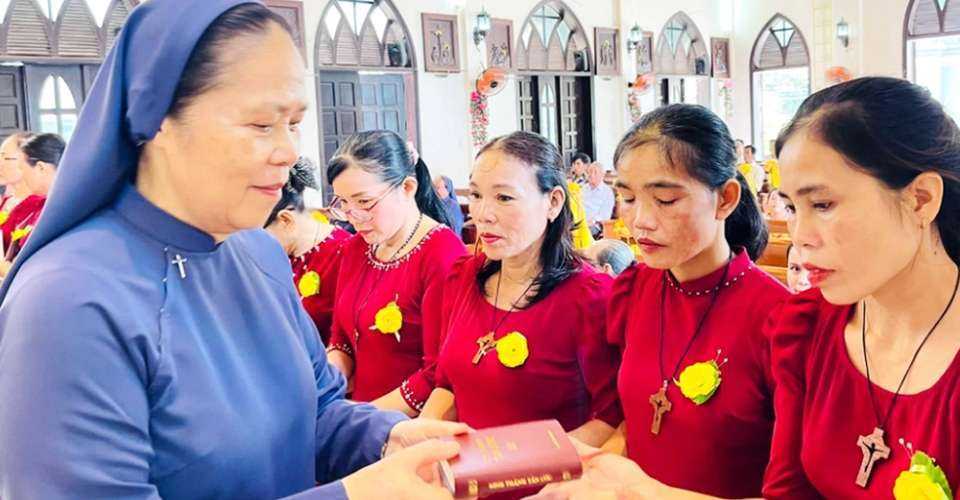
“They need time to heal from psychological wounds and overcome feelings of shame,” said Sister Maria Madelene Le Thi Bich of the Lovers of the Holy Cross, who accompanies former nuns through prayer and community service. Gatherings include Scripture reflection and acts of charity such as assisting disaster victims and tutoring poor children, reinforcing solidarity.
Ngoc’s own journey began when authorities dispersed her community in 1977. After years laboring in harsh conditions and working in rice fields, she embraced family life, marrying in 1983 and raising five children—one of whom became a Redemptorist brother. In 2010, Ngoc joined a lay Carmelite association, bridging her religious calling with worldly service.
Many former sisters experience what spiritual directors term a “second discernment,” wrestling with whether their departure means failure or a new divine plan. Lucia Phan Thi Hoa left her vows in 2011 to become a caregiver for relatives and now teaches while nurturing faith through a secular institute, the Auxiliaries of Hope. She said, “I rediscovered my vocation while caring for my family and praying.”
Other women face harsh rumors, social exclusion, and economic uncertainty after leaving. Maria Cecilia Nguyen Thi Linh San was expelled after her mother’s scandal and struggled to find her place before learning craftsmanship and marrying. Although still confronting judgment, she credits her new calling to family life and lay ministry.
Vietnamese congregations increasingly recognize the need to support former religious members. Communities like the Lovers of the Holy Cross offer informal networks to ease isolation and stigma. Bich emphasized, “Wherever we are, we can serve God and bear spiritual fruit.”
This developing narrative spotlights the urgent emotional and practical challenges former nuns face and the quiet new forms of service and faith emerging in Vietnam’s Catholic landscape, a story rarely told but now gaining visibility through leaders like Ngoc and Loan.