Florida House Rejects DeSantis’ Vaccine Exemptions and AI Regulation Bills
Florida lawmakers moved swiftly to shut down two major priorities of Governor Ron DeSantis as the special legislative session opened Tuesday in Tallahassee. The Florida House firmly rejected proposals to expand vaccine exemptions for public K-12 students and to impose state-level consumer protections over artificial intelligence (AI) usage.
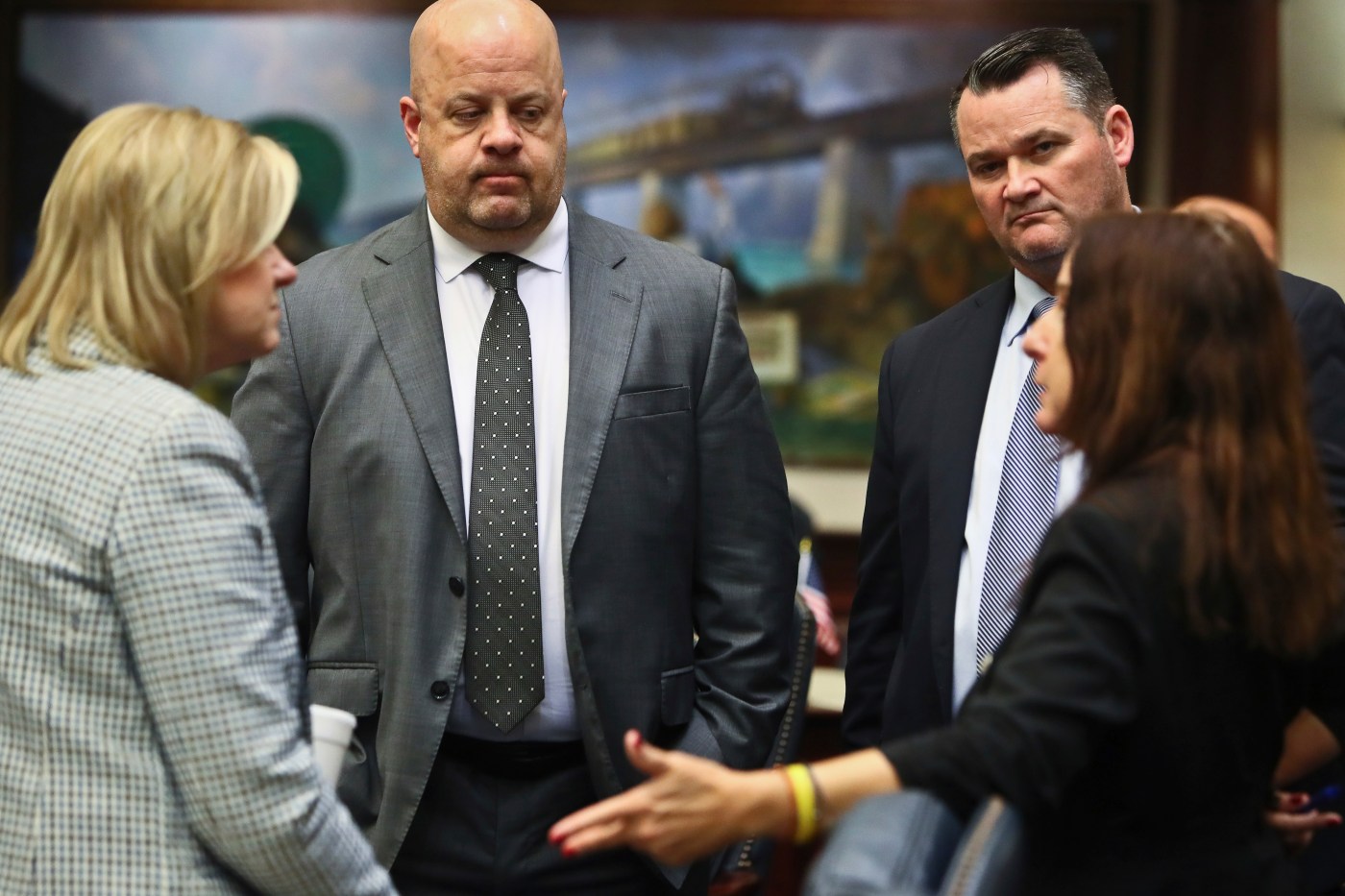
House Speaker Daniel Perez, R-Miami, declared the legislature’s position “fairly clear” against advancing the bills after a quick floor session to start the special session. “I feel confident that the position of this body on not moving on either of those issues was the right issue,” Perez told reporters.
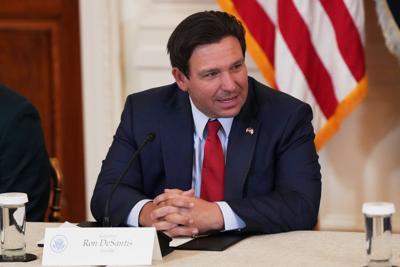
DeSantis reacted sharply on social media platform X, accusing the House Republicans of abandoning voters who elected them “to protect freedom against both the Big Tech cartel and the medical industrial complex.” He highlighted that no House member had filed legislation on either subject following his April 15 call that included these issues alongside congressional redistricting.
“Will be interesting to see these guys campaign as Big Tech enthusiasts and guardians of the medical industrial complex,” DeSantis posted on X.
Senate Splits Over Vaccine and AI Bills
In the Florida Senate, the vaccine exemption proposal failed to advance again on Tuesday despite previously passing 23-15 in the regular session. The measure aimed to increase exemptions for K-12 students against mandated immunizations for diseases like measles and chicken pox but faced growing opposition — including from Republicans concerned about public health.
Senate voted 37-1 to support the AI bill meant to protect consumers from unchecked AI technology. The lone dissenting vote came from Sen. Erin Grall, R-Vero Beach, who criticized the bill as weakening parental protections. Grall called the tactics used to promote the bill “despicable,” criticizing claims circulated by DeSantis that opponents supported Jeffrey Epstein and arguing the bill gave a false impression of protecting children.
“We have lulled parents into believing that we are actually protecting children when we are not,” Grall said.
House Concerns Over Vaccine Risks and AI Oversight
House Speaker Perez expressed serious concerns about allowing more unvaccinated students in schools, citing decades of successful disease control through immunization. “That was something I was uncomfortable with, but I stated that very clearly over the last couple of months,” he said.
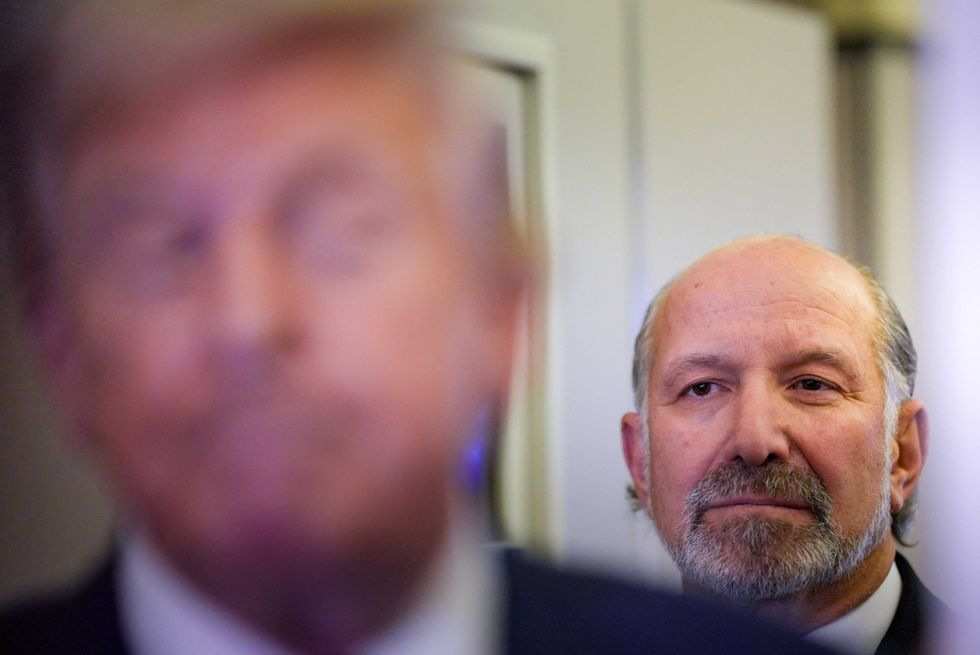
Regarding the AI bill, Perez emphasized the need for federal leadership instead of state regulations. He referenced a December executive order by former President Donald Trump that aimed to curb patchwork state AI rules and promote a national framework, warning states could be penalized over noncompliance.
“The President of the United States issued an executive order stating that the federal government should handle the AI policies of this country, that this is a national security concern,” Perez said. “This is bigger than just one state or one part of the country.”
Rep. Sam Garrison, R-Fleming Island and next in line for House Speaker, echoed this expectation that Congress will take the lead on AI regulations.
On the opposing side, Orlando Democrat Rep. Anna Eskamani supported AI consumer protections but doubted the federal government will act swiftly due to pressure from tech companies and White House influence.
Details of the AI Proposal
The proposed “AI Bill of Rights” sought to empower parents with control over children’s interactions with AI chatbots. It would also require companies to disclose whether people are communicating with AI or humans, restrict unauthorized use of personal names and images, and mandate transparency in political advertisements involving AI. Additionally, it would block Florida government contracts with AI firms linked to “foreign countries of concern” like China or Russia.
While these AI consumer protections stalled, Florida’s regular legislative session did approve a different measure requiring companies building massive AI data centers to pay for their own electricity and water utilities.
Why This Matters Now
The rejection of these bills during a special session signals a clear divide within Florida’s Republican-controlled legislature and highlights challenges for Gov. DeSantis, who has made vaccine exemptions and AI regulation central campaign issues. The outcome signals that despite gubernatorial pressure, lawmakers are hesitant to amend long-standing public health rules or create state-level AI safeguards without federal action.
For North Carolina and other states watching closely, Florida’s stance underscores ongoing battles in state capitals over the role of government in emerging technologies and public health mandates. As AI technology rapidly advances and vaccine policies remain politically charged, the question of who regulates these issues remains hotly contested nationwide.
Florida lawmakers will continue to focus on congressional redistricting and other priorities as the special session proceeds in the coming days.