The ongoing debate around health care, social welfare programs, and national pride has sparked a range of perspectives from readers, highlighting pressing issues affecting millions. Letters published in response to recent articles shed light on the significance of affordable health coverage, the implications of government policies, and the importance of community values.
Calls for Affordable Health Coverage
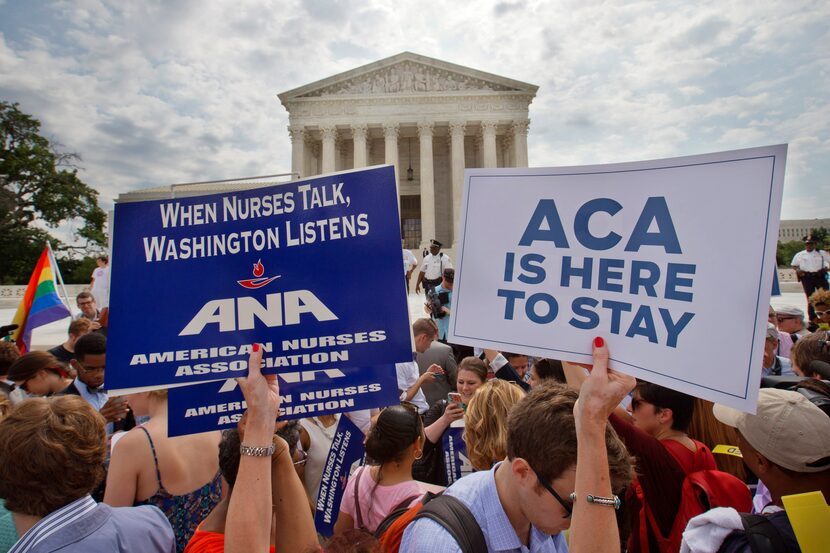
In a response to the article titled “Republicans grapple with voter frustration over rising health care premiums,” Camille Cobb, a nurse practitioner and mother of a child with a chronic medical condition, emphasized the critical role of affordable health care. Cobb pointed out that her son relies on the Affordable Care Act’s enhanced subsidies to manage his condition effectively. She stated that without these subsidies, families would face dire choices between health and financial stability.
“More than 4 million Texans rely on these subsidies to stay insured,” Cobb wrote. “Without them, premiums will soar, hospitals will face more uncompensated care, and families will delay treatment until it may be too late.” She urged Congress to act swiftly to extend the subsidies, framing affordable health coverage as a shared American priority.
Concerns Over SNAP Benefits Amid Shutdown
Concerns regarding the impact of the current government shutdown on social programs were also voiced. James D. Farley pointed out that during previous shutdowns, SNAP benefits continued without interruption, thanks to contingency funds. “This is the first time in the program’s history for such a lapse,” he noted, calling for more transparency in discussions surrounding continuing resolutions.
Farley criticized the narrative presented by government officials, arguing that past anomalies in funding and spending have often been overlooked. “Let’s not hear any more braying from Speaker Mike Johnson about the Democrats’ ‘totally unprecedented, totally undeliverable’ demands,” he concluded.
Discussions on Education and Resource Allocation
In another letter, Herb Krasner challenged the idea of using private trade school vouchers as a solution to the skills gap in the job market. He suggested that alternatives such as public charter trade schools, industry-specific scholarships, and apprenticeship programs should also be considered. Krasner expressed concern that the focus on private solutions might overlook viable public options.
M.A. Conroy proposed a controversial idea regarding air traffic control (ATC) resources, suggesting restrictions on small aircraft usage. “Eliminating small aircraft travel will free up 20% of ATC resources,” he argued, advocating for a more efficient allocation of resources to serve a larger number of passengers.
Reflections on National Pride and Community Values
Beyond policy discussions, sentiments around national pride emerged in letters reflecting on cultural values. Bob Buckel invoked the biblical verse from Matthew 25, urging those in authority to consider their actions toward the vulnerable. He expressed frustration over perceived indifference to the needs of marginalized groups, such as those affected by cuts to health insurance and food stamps.
Additionally, Bob Allen lamented a decrease in communal participation during the national anthem at sporting events. He noted a shift in behavior among players and spectators, suggesting a return to singing the anthem together to foster unity and respect for the country.
Meanwhile, John Bell raised the issue of daylight saving time, advocating for permanent adoption to enhance evening family time during the darker months of the year. He called on the U.S. Senate to consider the benefits of year-round daylight saving time, encouraging constituents to voice their preferences to their elected officials.
The diverse opinions expressed in these letters reflect a broader conversation about the values and priorities that shape society. As issues surrounding health care, social welfare, and national identity continue to evolve, community voices remain crucial in guiding the discourse and advocating for effective solutions.