Huawei Launches WATCH Kids X1 Series Revolutionizing Child Safety Tech
Huawei has officially launched its WATCH Kids X1 and X1 Pro, introducing cutting-edge safety features designed to give parents peace of mind across North Carolina and the United States. These smartwatches combine advanced location tracking, emergency alerts, and easy-to-use controls specifically built for children, positioning this series as one of the most compelling child wearables on the market today.
At the heart of the new series is precise multi-method location tracking. Huawei integrates satellite GPS, network data, Wi-Fi signals, and sensor inputs to keep real-time tabs on children whether they are outdoors or inside complex buildings — an area where traditional trackers often fail. This means parents monitoring their kids can trust the location updates even in challenging indoor environments found in schools or community centers.
Key Safety Features Deliver Immediate Family Benefits
Parents can define custom safe zones for everyday places such as homes, schools, and relatives’ houses. The wearable’s app immediately notifies guardians if children enter or exit these designated boundaries, reducing the need for constant check-ins and ensuring routine movements are safe. This feature alone cuts stress, allowing families to maintain trust without intrusive oversight.
More importantly, the Emergency SOS function provides one-touch access for kids to send urgent alerts or calls directly from the watch. This critical tool is designed with younger users in mind, who may panic in emergencies and struggle to navigate menus. Huawei’s quick SOS protocol empowers children to instantly notify adults, dramatically improving response times in crisis situations.
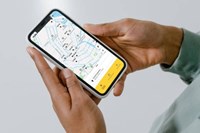
All these capabilities are centrally managed via the companion FamCare app. This app consolidates safety alerts, activity history, and location tracking into one user-friendly interface. Parents in North Carolina and nationwide can monitor their child’s safety landscape in real time, heightening confidence in the device’s effectiveness.
X1 vs X1 Pro: Which Child’s Smartwatch Fits Your Family?
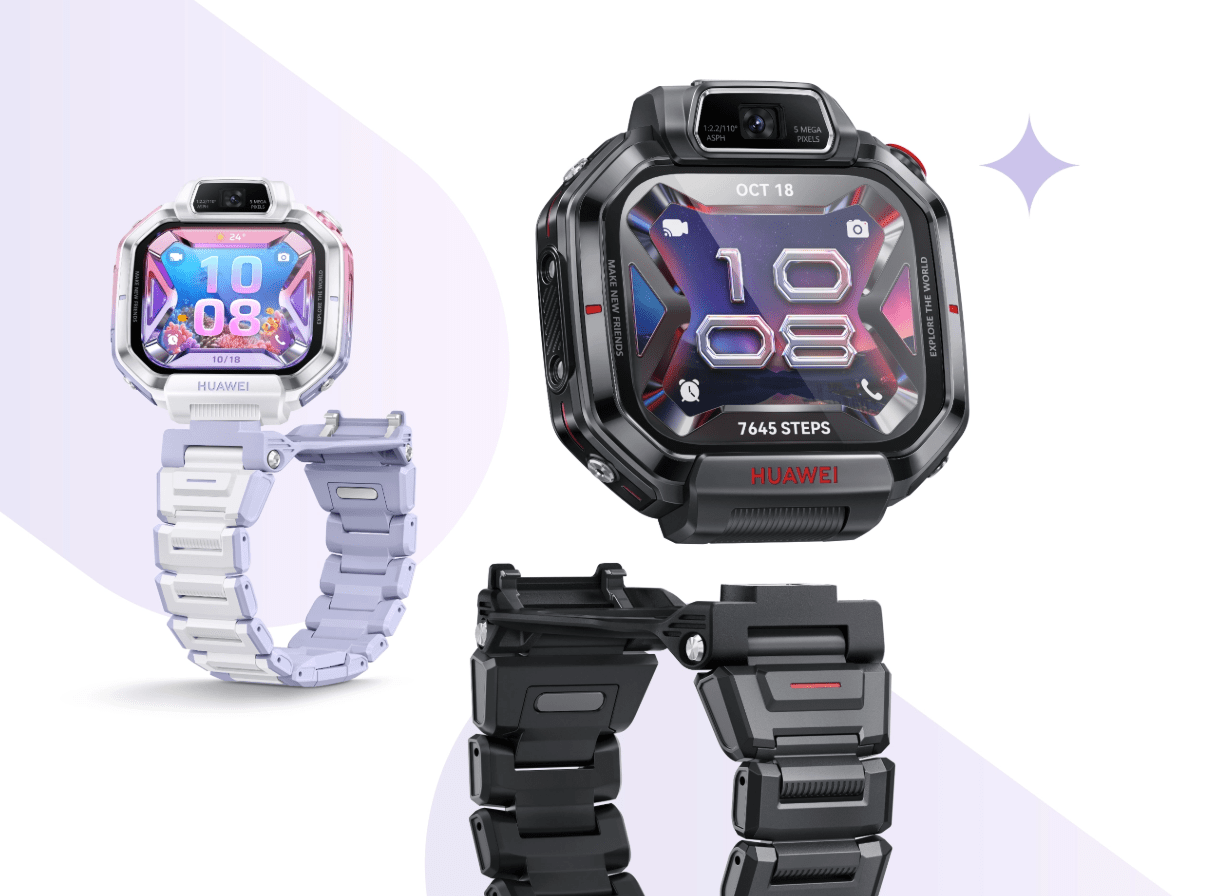
Both models include essential features like calling support, front and rear cameras, and comprehensive safety tracking. The X1 Pro, however, introduces a unique detachable watch body that doubles as a compact camera, giving kids extra fun and creative flexibility. This hardware upgrade comes without compromising the core safety features shared with the standard X1 model.
From a security standpoint, the series offers the same robust protection on both versions, making usage style the primary factor in purchase decisions. Families seeking straightforward safety with dependable communication should consider the X1. Meanwhile, those interested in enhanced hardware and multimedia features are likely to prefer the X1 Pro.
Why This Matters for Parents Today
With concerns over child safety and the complications of modern parenting growing, the launch of Huawei’s WATCH Kids X1 series arrives at a critical moment. These devices deliver reliable location data, trusted emergency alerts, and easy parental oversight all within a playful, kid-friendly design. For parents in North Carolina and across the country, this wearable represents an essential tool for balancing independence with safety.
As competition in the children’s wearable segment intensifies, Huawei is betting on safety-first innovation backed by a brand known worldwide. If priced competitively, the WATCH Kids X1 line could quickly become a go-to option for families seeking smarter solutions to stay connected and secure.
What to Watch For Next
Availability and pricing details are expected to roll out rapidly following this announcement. Parents and retailers should watch for where and when the WATCH Kids X1 and X1 Pro enter the US market. Meanwhile, feedback on the integration of location technology and SOS responsiveness will be critical in assessing how well these devices perform in real-world parenting scenarios.
With Huawei’s new devices making child safety tech more accessible and practical than ever, families nationwide now have reason to reconsider how they approach connected care for their youngest members.