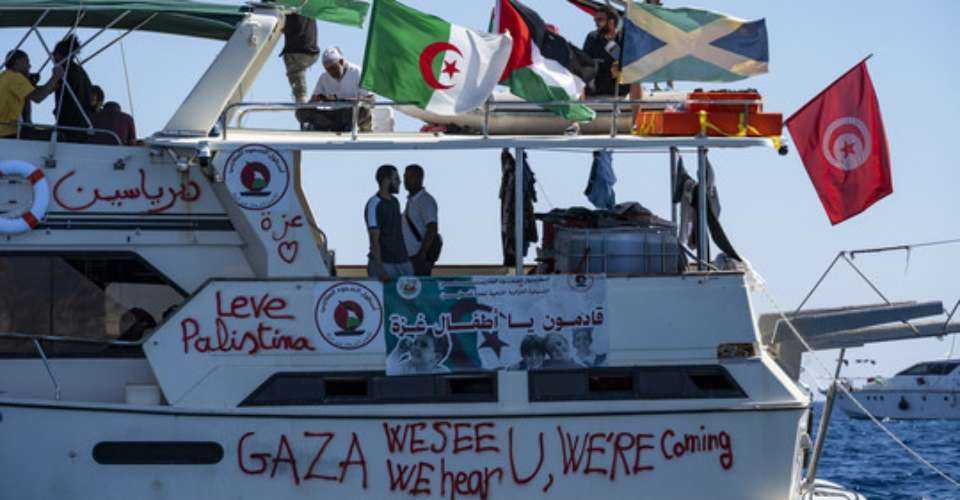
Israeli forces recently intercepted a civilian flotilla carrying humanitarian aid to Gaza, detaining at least six Australians and cutting communications in international waters, sparking urgent legal and humanitarian concerns. Reports confirm that naval vessels surrounded the Global Sumud Flotilla, boarded the ships, and held some activists, including doctors, artists, and aid workers, for hours without clear updates to families or authorities.
The flotilla had set out to deliver essential supplies to a Gaza population enduring severe scarcity due to Israel’s longstanding movement restrictions on people and goods. After a devastating conflict that killed tens of thousands, mostly civilians, Gaza remains on the brink of famine with urgent needs for food, medicine, and clean water. These humanitarian deliveries aimed to challenge the isolation imposed on the region.
Detention of Australians Raises Diplomatic Pressure
Australian officials confirmed that at least six nationals were detained by Israeli military forces and later released on the Greek island of Crete. A Department of Foreign Affairs spokesperson said consular officials were present to assist Australians transferred there. However, many questions remain about the treatment detainees received and ongoing communication blackouts during the incident.
“Consular officials are providing assistance to any Australians transferred to Crete,” the government spokesperson said, but activists demand transparency and protection of detainee rights.
Among those aboard was Australian filmmaker Juliet Lamont, who previously faced detention returning to Gaza and described mistreatment including denial of medication. Lamont expressed deep resolve to return to Gaza despite risks, embodying the growing tension between civilian aid efforts and military enforcement.
Legal and Humanitarian Stakes in International Waters
International law experts warn that intercepting civilian vessels in international waters without clear justification may violate maritime law, especially when the boats carry humanitarian aid. Even when detainees are held, international standards prohibit inhumane or degrading treatment, including denial of medical care or communication rights. Such allegations deepen concerns about respecting human dignity and the rule of law.
The incident foregrounds a wider power struggle over who controls access to Gaza and international space. Civilian attempts to deliver aid or challenge the blockade have repeatedly met Israeli military force, reinforcing questions about the limits of civic action abroad and the political impact of silence from national governments.
Call for Accountability and Government Action
Australian activists are urging their government to move beyond consular support, demanding full transparency about detainees’ conditions, clear access, and pressure for their prompt release. They also call for an independent investigation into possible mistreatment claims. Silence or muted responses are viewed as complicity in denying aid and basic human rights.
“Protecting citizens must not mean staying silent,” said activists responding to the incident. As this story unfolds, the broader message is clear: solidarity with Gaza faces increasing suppression, and efforts to provide aid risk being criminalized or ignored.
The Global Sumud Flotilla may not have reached Gaza, but the ongoing enforcement of the blockade and suppression of civilian humanitarian action raise urgent questions about global justice, sovereignty, and human rights. What happens in these contested waters reflects not only on regional conflict but on international responses to crisis and activism.
Next Steps and Watch Points
The situation remains developing with incomplete information about all detainees. Governments, especially those with citizens involved, are expected to clarify details, ensure safety, and uphold international legal standards. Globally, observers will watch for any steps toward easing Gaza’s isolation or broader shifts in enforcing humanitarian access under conflict conditions.