Thousands of Filipinos Undertake 24-Kilometer Overnight Walk to Pray for Peace
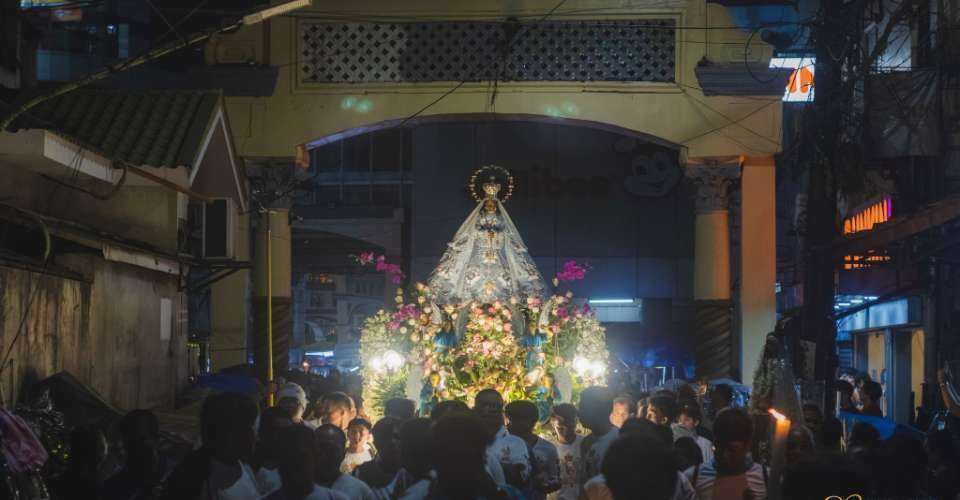
Thousands of Filipinos completed a grueling 24-kilometer overnight procession called Alay Lakad from Quiapo Church in Manila to the Antipolo Cathedral this week as part of an urgent prayer drive for peace amid escalating conflict in the Middle East.
The annual ritual ran from the evening of April 30 until just before sunrise May 1, combining a physical pilgrimage with solemn prayers for family wellbeing and global peace as the United States and Israel wage war on Iran. This year’s procession carried additional significance because of the current international crisis triggering energy struggles in countries like the Philippines.
Devotees Bear Physical Sacrifice to Seek Peace and End Corruption
Starting at the historic Minor Basilica and National Shrine of Jesus Nazareno in Quiapo, participants bore the 17th-century image of Our Lady of Peace and Good Voyage from the Antipolo Cathedral’s shrine. This centuries-old practice recalls the Virgin’s miraculous image being safeguarded in Quiapo during World War II before it was carried back to Antipolo after the war ended.
Walking the mountainous 24-kilometer route on foot typically takes about six hours, yet many devotees choose to endure the physical challenge to repent and pray for their families’ health and prosperity. Among them were women volunteers from Quiapo Church, including Len Wabel, 42; Lyka Figueroa, 32; and Alicia dela Cruz, 54, who sacrificed sleep and comfort to join for the first or multiple times.
Lyka Figueroa said she prayed fervently not only for her children but also for an end to the war causing widespread suffering around the world. Meanwhile, Dela Cruz called for an end to corruption in the Philippines, underscoring the local implications of peace beyond foreign wars.
Youth Devotees Lead Rosary March to Promote Faith and Inner Peace
Arvin Manrisa, 31, led a group of about a dozen young people from Tondo, Manila, who carried a sculpture depicting the suffering Christ known as Ecce Homo. They walked from 7pm to 3am, praying the rosary and reinforcing commitment to leading youth in devotion and prayer.
Manrisa stressed the mission of nurturing faith and peace as essential to overcoming both societal chaos and broader conflicts.
Antipolo Cathedral Gains International Recognition Amid Rising Tensions
Antipolo Cathedral was designated the first Vatican-approved international shrine in the Philippines and Southeast Asia earlier this year, elevating it to a global status alongside renowned shrines like Fatima and Lourdes. This recognition highlights the cathedral’s longstanding spiritual significance and the enduring devotion surrounding Our Lady of Peace and Good Voyage.
Bishop Ruperto Cruz Santos emphasized in his homily at the April 30 pre-procession Mass that the Blessed Mother’s message is timeless: to consistently pray for peace and conversion so “the Kingdom of God would triumph.”
Father Ramon Jade Licuanan, rector of Quiapo Church, said inner peace is key to resolving outer chaos and conflicts. “Peace is not the absence of noise,” Licuanan said. “Peace is an understanding that there is something more important than the noise and chaos around us: God.”
Why This Matters Now
The Alay Lakad procession reflects a deeply personal and communal response to geopolitical tensions affecting energy prices and security globally — including in the US and North Carolina, where ongoing conflicts in the Middle East impact energy markets and diplomatic relations. This pilgrimage underscores the universal human desire for stability, peace, and healing beyond borders.
As global powers escalate military actions, grassroots prayers and solidarity marches like the Alay Lakad bring urgent attention to the human cost behind headlines, reminding US readers of the interconnectedness of global events and individual hopes for peace.
What’s Next
With tensions in the Middle East continuing, the annual Alay Lakad offers a solemn moment to watch for renewed calls for diplomacy and peace-building efforts worldwide. Observers in North Carolina and the broader US monitoring energy markets, refugee movements, and international policy shifts will find in this ancient Filipino tradition a powerful expression of faith’s role in times of crisis.
The faithful will continue to gather next year, preserving this deeply spiritual journey that bridges history, geography, and conscience — a testament to enduring hope in a turbulent world.