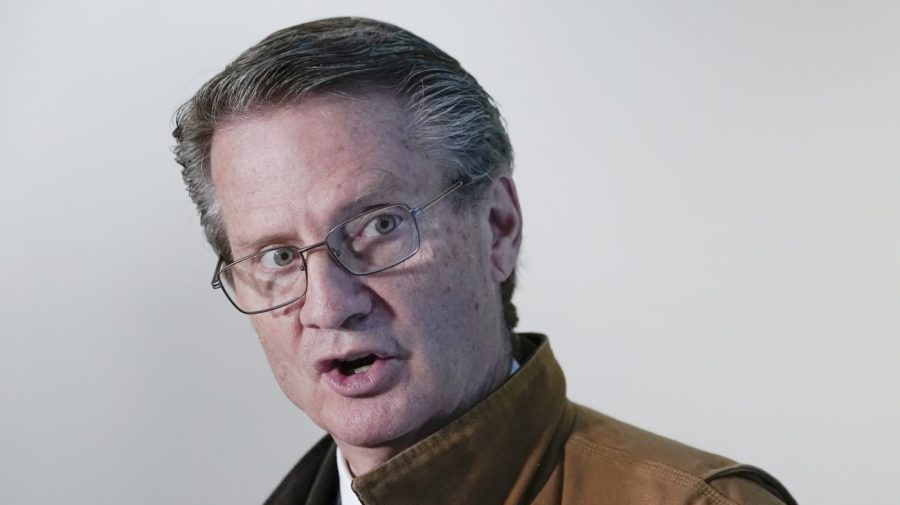
Representative Tim Burchett of Tennessee expressed concerns on October 3, 2023, regarding the possibility of the United States becoming embroiled in a long-term military conflict in Iran. He urged voters, particularly those aligned with the “Make America Great Again” movement, to remain vigilant about this potential situation.
During an interview, Burchett emphasized the importance of awareness among constituents. “I would say stay concerned,” he remarked when asked about his message to supporters of former President Donald Trump. He highlighted the necessity for voters to be proactive, stating, “Be concerned. Be vigilant. Hold our feet to the fire.” His comments reflect a growing apprehension among some lawmakers and constituents regarding the implications of U.S. military involvement in foreign conflicts.
Burchett’s remarks come at a time when discussions surrounding U.S. foreign policy, particularly in the Middle East, are increasingly pertinent. With tensions in the region continuing to rise, Burchett’s call for vigilance resonates with many who fear the consequences of another protracted conflict, often referred to as a “forever war.”
The term “forever war” has gained traction as critics of U.S. foreign policy express concerns about military engagements that lack clear objectives or end dates. Burchett’s comments suggest that he is not alone in his fears about the potential for a drawn-out conflict in Iran, as various lawmakers have voiced similar apprehensions in recent months.
As discussions in Washington continue, the implications of military action in Iran remain a hot topic. Lawmakers are now faced with the challenge of balancing national security interests with the lessons learned from previous military interventions. Burchett’s perspective adds to the ongoing debate about the United States’ role in global conflicts and the responsibilities of elected officials to their constituents.
The situation in Iran is complex, with a myriad of factors influencing U.S. engagement in the region. As military options are considered, the impact on American voters will likely be a critical element of the discussion. Burchett’s emphasis on vigilance encourages not only his supporters but also the broader public to remain informed and engaged as the situation evolves.
In summary, Representative Burchett’s warning serves as a reminder of the potential consequences of military intervention and the importance of public awareness surrounding these critical issues. As the political landscape shifts, voters will play a pivotal role in shaping the direction of U.S. foreign policy moving forward.