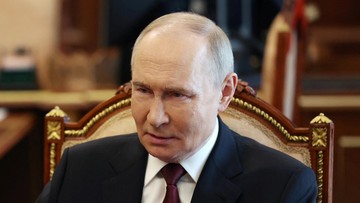
In a significant diplomatic move, Vladimir Putin, the President of Russia, has proposed to act as a mediator in the ongoing tensions between Iran and the Gulf States. This offer comes in the context of escalating military actions involving the United States and Israel in the region.
Putin’s announcement was made during a meeting with regional leaders, where he emphasized the importance of dialogue and cooperation to resolve conflicts. The proposal aims to alleviate rising hostilities and foster a more stable environment in the Middle East.
Context of the Offer
The backdrop of this mediation offer is marked by a series of confrontations and geopolitical shifts in the Middle East. Recently, tensions have surged due to military engagements that have drawn responses from multiple factions, including Iranian forces and allied groups. The involvement of the United States and Israel has further complicated the dynamics, leading to concerns about potential escalations.
Putin’s mediation proposal is seen as an attempt to position Russia as a key player in Middle Eastern politics, particularly at a time when U.S. influence appears to be waning. The Russian government has been actively seeking to strengthen ties with Iran and other countries in the region, promoting itself as a counterbalance to Western powers.
Reactions to the Proposal
Responses to Putin’s offer have been mixed among the Gulf States. Some leaders have expressed cautious optimism, acknowledging the need for a neutral party to facilitate discussions. Others remain skeptical, citing previous instances where external mediation has failed to produce lasting solutions.
According to a senior official in the Gulf Cooperation Council, “While we appreciate Russia’s initiative, the key to any successful mediation lies in the willingness of all parties to engage in sincere dialogue.” This sentiment reflects the complex web of historical grievances and national interests that characterize the relationships among these nations.
As the situation develops, the international community is closely monitoring how this proposed mediation will unfold and what influence it may have on the broader geopolitical landscape. The effectiveness of Putin’s involvement will largely depend on the responses from both Iran and the Gulf States, as well as the reactions from the U.S. and its allies.
The timing of Putin’s offer underscores the urgency of addressing these tensions, with many analysts predicting that failure to engage in dialogue could lead to further instability in the region.
In conclusion, Russia’s bid to mediate between Iran and the Gulf States marks a significant moment in Middle Eastern diplomacy. As global powers continue to navigate this complex landscape, the outcomes of these discussions could have lasting implications for international relations and security in the region.