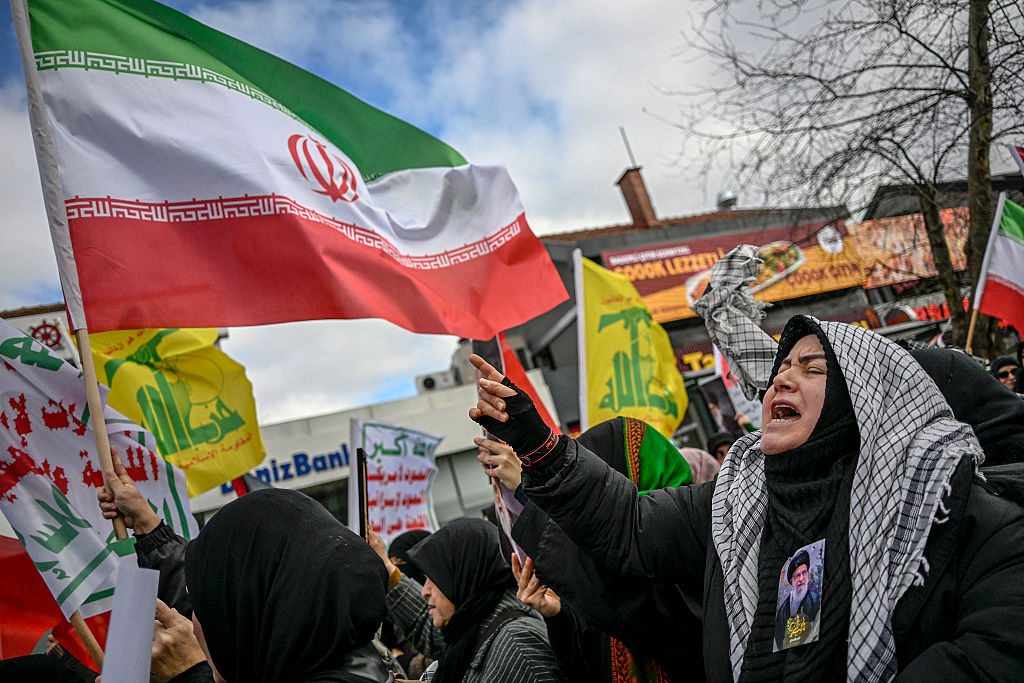
The death of Iranian Supreme Leader Ayatollah Ali Khamenei, confirmed on March 1, 2026, dramatically escalates the ongoing conflict between Iran and a coalition of U.S. and Israeli forces. Khamenei, who had been in power since 1989, was killed during military strikes targeting Iran’s leadership and military infrastructure. His death, along with that of several senior commanders, creates a significant power vacuum in Iran, raising concerns about potential retaliation and further instability in the region.
Iranian state media reported Khamenei’s death late Saturday following a series of joint military operations by the United States and Israel. These strikes have intensified, with Israeli forces claiming to conduct “non-stop strikes” against military targets deep within Iran. In retaliation, Iranian forces have launched missile and drone attacks aimed at Israeli cities and U.S. military installations across the Middle East.
Human Cost and Civilian Casualties
The strikes have not only impacted military leaders but have also inflicted a heavy toll on civilians. Reports from human rights organizations and Iranian authorities indicate that civilian casualties are rising, with numerous deaths and injuries reported across multiple provinces. Notably, a ballistic missile strike by Iran in central Israel resulted in at least nine fatalities and over 20 injuries, including children.
In a particularly tragic incident, Iranian officials claim that more than 100 children were killed when a U.S.- and Israel-linked airstrike struck a girls’ elementary school in Minab. This event has drawn condemnation from the United Nations, which labeled it a “war crime” reflective of the growing humanitarian crisis.
The conflict has also extended beyond Iran’s borders. In Karachi, Pakistan, violence erupted at a pro-Iran demonstration outside the U.S. consulate, resulting in at least nine deaths. This incident illustrates the widespread regional tensions exacerbated by the conflict.
Military and Political Ramifications
The situation remains fluid, with U.S. Central Command (CENTCOM) reporting the deaths of three American service members in the ongoing hostilities, underscoring the risks faced by U.S. forces in the region. The command confirmed that five other personnel were seriously wounded, with additional minor injuries reported.
As military actions escalate, the response from various governments and international organizations has been one of alarm. Concerns are growing over the potential for a wider conflict and the destabilization of the region. Airspace throughout the Middle East has been disrupted, complicating international travel and commerce.
This surge in violence follows preliminary debates within the U.S. Congress regarding whether the military strikes necessitate formal authorization under U.S. war powers. The political discourse surrounding these military actions is intensifying, coinciding with the historic developments in the ongoing conflict.
The unfolding situation marks a critical juncture not only for Iran but also for regional and global stability, prompting urgent discussions among international allies and partners. As the conflict continues to evolve, the impact on civilian populations and the broader geopolitical landscape remains a pressing concern.