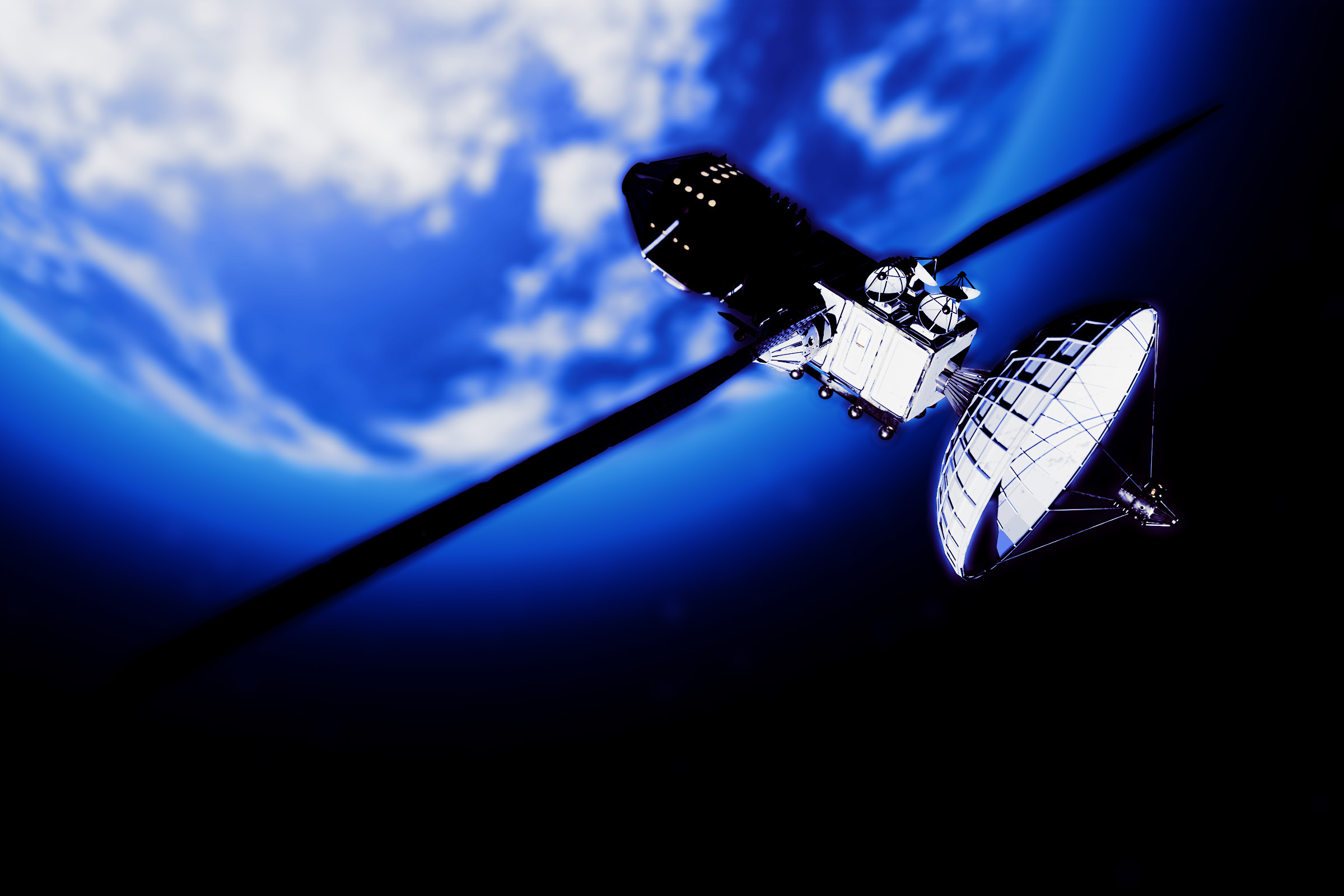
Space launches are increasingly transforming Earth’s atmosphere into a hazardous environment, according to a recent essay by a group of astronomers and atmospheric scientists published in The Conversation. They argue that the surge in satellite launches is contributing to a “crematorium” effect, as more than 15,000 active satellites orbit the planet, with a significant number designed to be discarded after only a few years.
The essay highlights that companies such as SpaceX, founded by Elon Musk, are creating satellites that are intended to self-destruct by deorbiting and burning up in the atmosphere. While this approach seems efficient, it may have serious environmental consequences. The scientists note that burning satellites release harmful metals, including copper, lead, and aluminum particles known as alumina, into the atmosphere.
Recent research has also linked the re-entry of the upper stage of a SpaceX Falcon 9 rocket to the emission of toxic lithium. The astronomers express concern that the increasing presence of metallic particles could initiate a chain reaction that severely damages the ozone layer. They warn, “This is just a fraction of what is to come if planned megaconstellations go ahead — and SpaceX is far from the only player.”
Currently, more than 9,000 of the active satellites in orbit are operated by SpaceX. The company has recently sought approval from the Federal Communications Commission (FCC) to deploy an additional one million satellites to support its vision of establishing AI data centers in space. Other satellite operators have also requested permission for a total of one million additional satellites, illustrating the ambitious plans of the space industry.
The implications of such a satellite surge are alarming. The scientists estimate that one million satellites could contribute up to one billion kilograms of alumina to the atmosphere. This accumulation, combined with emissions from rocket launches, has the potential to significantly alter atmospheric chemistry and heating in ways that are not yet fully understood.
The dangers of space debris extend beyond atmospheric changes. The accumulation of junk in low Earth orbit poses a significant risk; collisions between pieces of debris could lead to a catastrophic scenario known as Kessler syndrome. In this scenario, the region around Earth could become a perilous minefield of debris, hindering spaceflight for decades.
Moreover, the threat of falling space debris is not limited to the upper atmosphere. Reports indicate that large fragments of satellites and spacecraft often survive re-entry, posing risks to people on the ground. The Federal Aviation Administration has projected that by 2035, approximately 28,000 fragments from Starlink satellites alone could survive re-entry each year. This raises the chance of someone being struck by space debris to 61 percent annually.
The astronomers also highlight the impact of satellite proliferation on scientific endeavors. The increasing number of satellites complicates observations of deep space, making it more challenging for scientists to study celestial events, such as star deaths and the discovery of new planets. They caution that stargazing and cultural astronomy could be similarly disrupted worldwide.
In light of these concerns, the scientists advocate for global regulation to address the environmental and safety challenges posed by satellite launches. They propose establishing a regulatory body that would work alongside astronomers to define a “safe atmospheric carrying capacity” for satellite launches and re-entries. This body would also facilitate research to better understand the atmospheric effects of spacecraft activities.
As the space industry continues to expand, the balance between innovation and environmental stewardship will be crucial to ensure the safety of both our planet and its orbit.