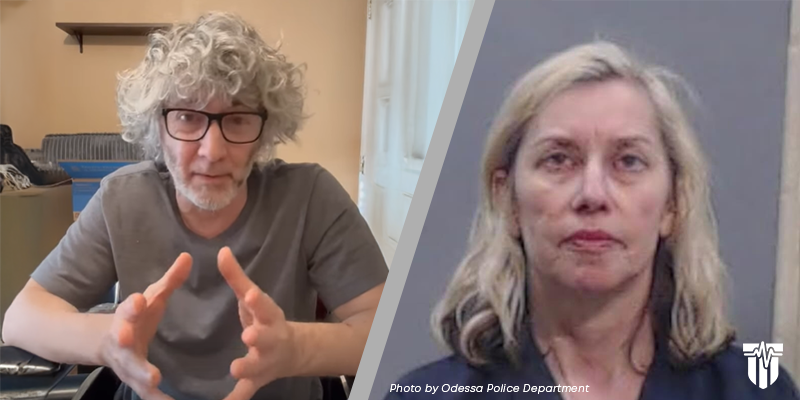
A Texas woman has been arrested in connection with the assisted suicide of her ex-husband, Joseph Cheffo. According to reports, Sarah Regmund, 41, allegedly aided Cheffo in his death by following instructions from the controversial organization known as the Final Exit Network. Cheffo was found dead in his Odessa home on February 13, 2023.
Regmund’s actions have raised significant legal and ethical questions, particularly as assisted suicide remains illegal in Texas. The Odessa American reported that Regmund is accused of suffocating Cheffo, with guidance from the Final Exit Network, which provides resources and support for individuals seeking to end their lives.
During a police interview, Regmund disclosed her communication with the organization. She mentioned that the founder of the Final Exit Network had authored a book found near Cheffo’s bedside. She claimed that representatives from the nonprofit demonstrated methods for him to take his own life on the day of his death. It remains unclear whether any members of FEN were present during the incident.
Legal Implications Surrounding Assisted Suicide
Regmund has admitted to following the instructions provided by the Final Exit Network, establishing the setting for the suicide, and waiting approximately two hours before notifying authorities of Cheffo’s death. This incident has drawn attention from groups like the Euthanasia Prevention Coalition, which are monitoring the developments in this case.
The Final Exit Network has a controversial history, having been involved in several assisted suicide cases. In 2015, the organization was found guilty of assisted suicide in the case of Doreen Dunn, who was 57 years old and suffering from depression, but not terminally ill. The jury’s verdict led to a sentence imposed on the group, which subsequently appealed the decision through various courts, including the U.S. Supreme Court, all without success.
In subsequent years, the Final Exit Network attempted to challenge the legality of Minnesota’s assisted suicide laws in federal court, arguing that these laws violated free speech rights. However, their cases were dismissed, and their legal efforts have largely failed to yield any favorable outcomes.
Context and Reactions
The implications of this case are profound, not only for Regmund but also for the ongoing debate surrounding assisted suicide in the United States. Legal experts and advocacy groups continue to grapple with the ethical dimensions of such actions, particularly in states where assisted dying remains prohibited.
Critics of the Final Exit Network argue that the organization exploits vulnerable individuals, offering assistance at a time when they may be struggling with mental health issues. The case of Joseph Cheffo adds a tragic chapter to the ongoing conversation about the ethics and legality of assisted suicide.
As the legal proceedings unfold, the case is expected to attract significant attention from both the media and advocacy groups on all sides of the euthanasia debate. The outcome may have far-reaching implications for how assisted suicide is viewed and legislated in the United States moving forward.