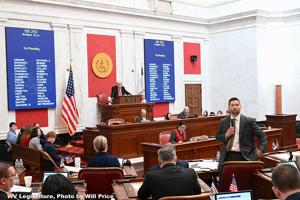
The West Virginia Senate has approved a budget bill that includes a significant tax cut and funding for the state’s education voucher program, marking an early milestone in the legislative session. On March 1, 2024, the Senate passed Senate Bill 392, which outlines a proposed budget of $21.5 billion. This bill features a 10% reduction in personal income tax, a move that aims to provide financial relief to residents.
With the Senate’s early action, attention now shifts to negotiations with the House of Delegates, where differing priorities may complicate the process. The two chambers must reconcile their budgets, particularly regarding two major spending items: the personal income tax cut and the funding for the Hope Scholarship program, which is designed to support educational opportunities for students across the state.
The Senate’s proposed budget allocates considerable resources to education, with $300 million set aside for the Hope Scholarship. This initiative is intended to enhance educational access and assist families seeking alternatives to traditional public schooling. However, the House of Delegates has expressed concerns regarding the sustainability of the tax cut and its potential impact on state revenue.
As discussions unfold over the coming weeks, lawmakers will need to address these financial implications while balancing their commitments to various programs. Analysts emphasize that reaching a consensus will be crucial to ensure that the budget not only meets immediate fiscal needs but also supports long-term investments in education and economic growth.
Both chambers are under pressure to finalize their budgets ahead of the legislative deadline. The negotiations will require careful consideration of the economic landscape in West Virginia, where policymakers must weigh the benefits of tax relief against the necessity of funding essential services.
The outcome of these discussions will have significant repercussions for West Virginia residents, as the budget shapes the state’s financial future and its ability to provide vital services. As lawmakers continue to deliberate, stakeholders from various sectors are watching closely, hoping for a balanced approach that supports education while fostering economic stability.