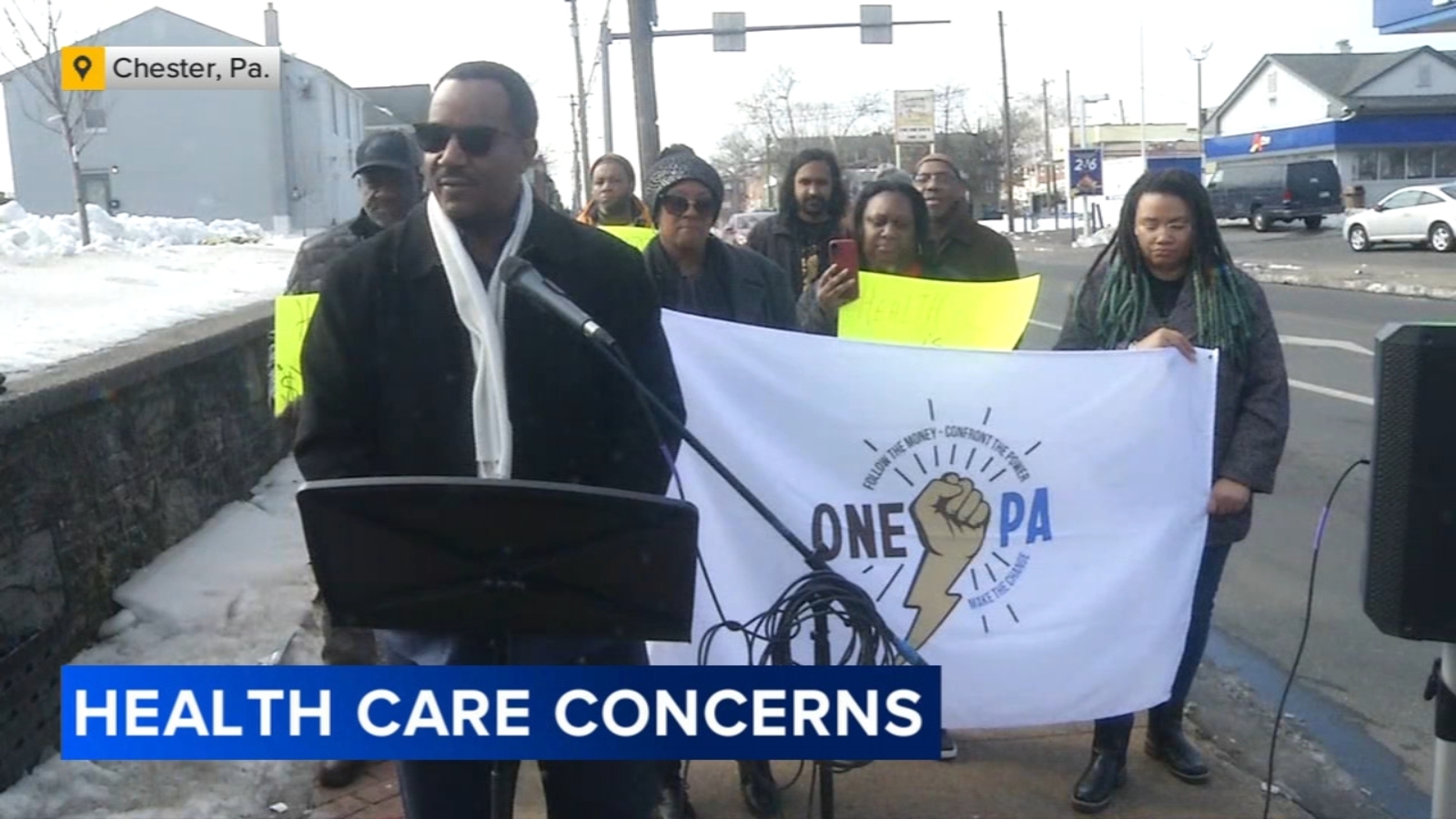
Residents of Chester, Pennsylvania, are grappling with the ramifications of a significant health care crisis following the closure of the Crozer-Chester Medical Center and Taylor Hospital. These facilities ceased operations in May 2023 after their parent company declared bankruptcy, leaving the community in urgent need of accessible medical services.
On Saturday, a group known as One Pennsylvania convened in Chester to discuss the ongoing impact of these closures. Community members expressed their frustrations and concerns about the substantial distance required to access emergency medical care. Many now face the daunting prospect of traveling to facilities in Delaware or Philadelphia, which can take over 20 minutes.
During the meeting, Dawn Pierce, a Chester resident, articulated the community’s distress: “I am feeling for my counterparts, my neighbors, when they are having strokes and heart attacks and they can’t find any care for more than 20 minutes away.” Her comments reflect the broader sentiment that the current medical infrastructure is inadequate, especially since many emergencies occur after standard clinic hours.
The city of Chester is currently relying on a contracted ambulance service, which is set to expire in April 2024. Mayor Stefan Roots reassured attendees that the city has allocated the necessary funds to continue this essential service. He is also monitoring the recent acquisition of the Crozer hospital site and recently met with the new owner to discuss potential future developments.
The closure of these health care facilities has underscored the vulnerability of Chester residents, many of whom feel left without adequate medical support. As the community navigates this challenging landscape, the discussions led by One Pennsylvania highlight the urgent need for solutions to restore access to vital health services.
The situation in Chester serves as a critical reminder of the importance of accessible health care and the profound effects that facility closures can have on local communities. With the support of local leaders and ongoing advocacy efforts, residents hope to find a path forward that prioritizes their health and well-being.