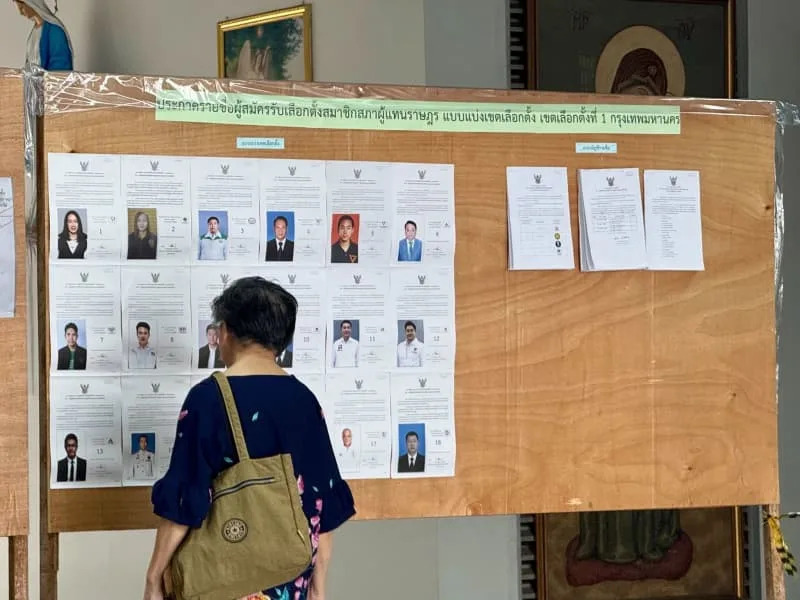
Thailand’s eligible voters, numbering approximately 53 million, are heading to the polls on March 3, 2024, to elect a new parliament. This election also includes a referendum aimed at determining whether to initiate the formation of a new national constitution. The proposed reforms seek to enhance democratic processes and lessen the influence of unelected bodies within the political landscape of the Southeast Asian nation.
Leading the electoral race is the reform-oriented People’s Party (PP), which has emerged as the successor to the dissolved Move Forward Party. The campaign is led by Natthapong Ruangpanyawut, a 38-year-old entrepreneur who aims to rally support for political change. Current polls suggest that the PP is positioned to secure a significant share of the 500-seat lower house.
Although the PP has a strong showing, political analysts remain skeptical about its ability to form a government, similar to the challenges faced in the 2023 election. The influence of powerful institutions and conservative elites poses significant obstacles, potentially hindering the PP from ascending to power even if it wins a majority.
Key Players and Political Landscape
In addition to the People’s Party, other notable contenders in the election include the influential Pheu Thai Party and the conservative Bhumjaithai Party, led by incumbent Prime Minister Anutin Charnvirakul. Observers predict a tightly contested election, which may lead to protracted coalition negotiations among the various parties.
Thailand has been characterized by considerable political instability, with Anutin serving as the third prime minister in just two years. The recent snap election was called in December 2023 during a period of heightened tensions, as the country faced an armed border dispute with neighbouring Cambodia. This conflict, marking the second outbreak of violence in a few months, relates to a long-standing unresolved border issue along the approximately 800-kilometre border.
A fragile ceasefire has been in place since late December, but the political climate remains tense. As polling stations close at 17:00 local time (10:00 GMT), preliminary results are anticipated soon after voting concludes. However, official confirmation of all outcomes may take several weeks, leaving the nation in suspense regarding its next steps in governance and constitutional reform.