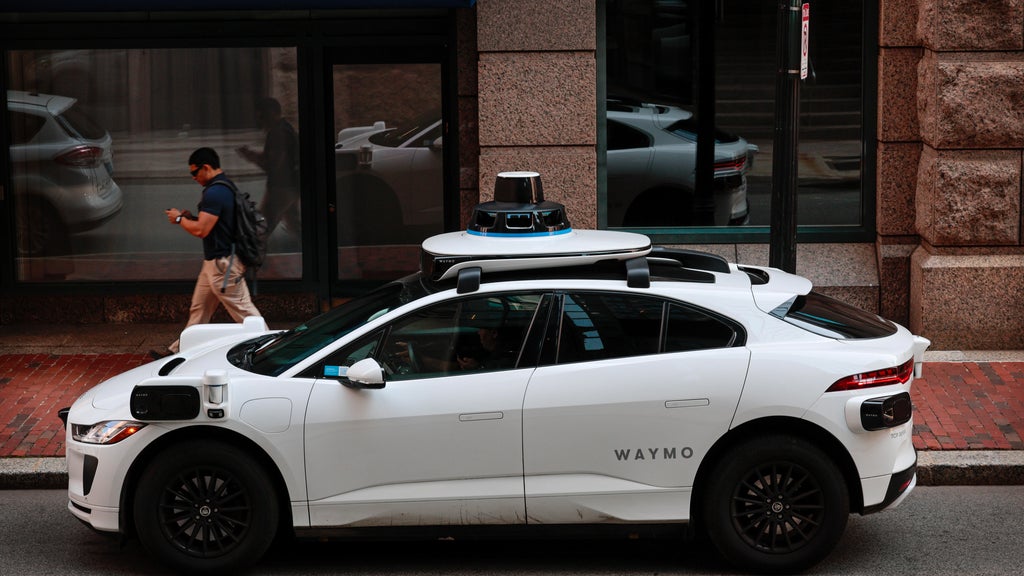
BREAKING: Waymo, the leading self-driving robotaxi company, is intensifying its push for the legalization of driverless cars in Massachusetts, announcing plans to return to Boston just one year after its initial exploration of the city’s intricate streets.
In a statement released earlier today, Waymo expressed enthusiasm about adapting to Boston’s unique driving conditions, including its cobblestones, narrow alleyways, and busy roundabouts. However, the company emphasizes that before it can launch fully autonomous rides for residents, it first requires state legislation to legalize these vehicles.
“We’re looking forward to engaging with officials to inform that path,” Waymo stated. This development comes amidst growing concerns from local ride-hailing drivers, who fear job losses due to the introduction of driverless cars.
Massachusetts lawmakers are beginning to take notice, with Dan Cahill, chair of the Joint Committee on Public Safety and Homeland Security, advocating for a clear regulatory framework. “Our goal is to create a clear and consistent framework to ensure that any new technology on our roads meets established safety standards,” Cahill said.
Despite Waymo’s optimism, skepticism remains among Boston’s city leaders. Jascha Franklin-Hodge, Chief of Streets, pointed out the city’s complex driving environment. “Driving here is not like driving in the rest of the country,” he noted, highlighting issues such as double-parkers and ongoing road construction that could complicate autonomous navigation.
City Councilor Ed Flynn also raised concerns during a city hearing last summer, particularly regarding the challenges posed by street congestion and winter weather. “There is also nonstop road construction during the summer, street closings as well,” Flynn stated, adding that winter snow banks further complicate Boston’s driving conditions.
In response to these challenges, Waymo reassured that it has been testing its technology in “some of the snowiest cities in the country” to ensure its vehicles can handle diverse winter weather scenarios. The company aims to provide a dependable transportation option for both residents and visitors in Massachusetts.
With lawmakers and community leaders now facing critical decisions, the trajectory of driverless technology in Boston hangs in the balance. The upcoming discussions between Waymo and state officials could determine whether the futuristic vision of autonomous rides will become a reality for Boston’s streets.
As this situation develops, residents and stakeholders are urged to stay informed about the potential impacts of this technology on the city’s landscape and employment opportunities.
Next Steps: What remains to be seen is how quickly Massachusetts lawmakers will act on this request and what regulations will be established to govern the use of driverless cars in the state. Stay tuned for further updates on this pressing issue.