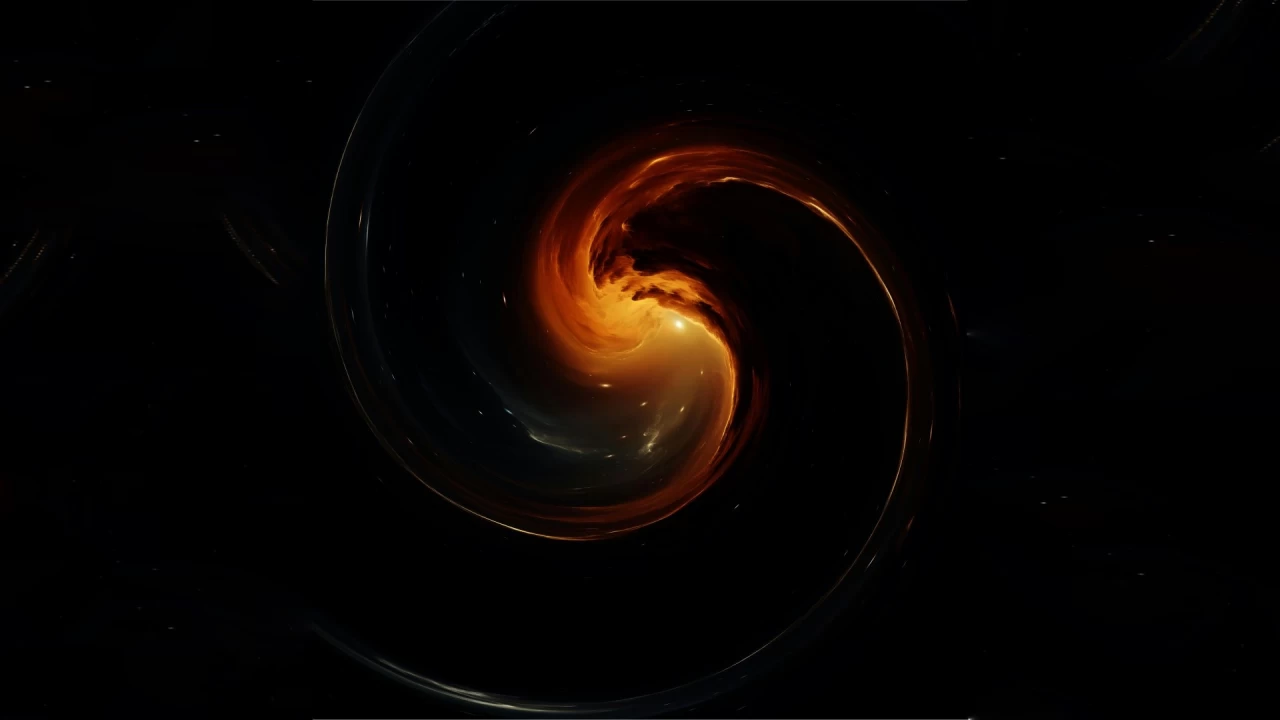
Recent research has unveiled significant clues that may help address one of the most profound questions regarding the Universe. A team of scientists from various institutions has made notable progress in understanding the fundamental laws that govern cosmic structures. These findings could reshape current theories about the origins and evolution of the cosmos.
The study, published on October 15, 2023, in the journal *Nature Astronomy*, highlights the importance of international collaboration in tackling complex scientific challenges. Researchers from institutions across the globe worked together to analyze data collected over several years. Their collective expertise in astrophysics and cosmology has led to groundbreaking insights that could change our understanding of dark matter and dark energy.
Key Discoveries in Cosmic Research
One of the primary revelations from this study is the identification of specific patterns in cosmic microwave background radiation. This radiation, a remnant from the Big Bang, is crucial for understanding the Universe’s early moments. By utilizing advanced telescopes and data processing techniques, researchers were able to discern anomalies that suggest new physics beyond the current models.
According to Dr. Emily Carter, lead researcher at the Institute of Cosmic Studies, “These patterns may indicate interactions between dark matter and ordinary matter that we have yet to fully comprehend.” This statement underscores the potential impact of the findings on existing theoretical frameworks.
Another significant aspect of the research includes the role of gravitational waves in shaping cosmic structures. The team’s observations suggest that these waves, which are ripples in spacetime caused by massive celestial events, could provide further insights into the Universe’s expansion. The implications of this research extend to various fields, ranging from theoretical physics to cosmology.
Implications for Future Research
The discoveries made in this study open new avenues for future research. Scientists are now poised to explore how these findings may influence our understanding of black holes and the overall fate of the Universe. The collaboration among international teams is expected to continue, fostering a more comprehensive approach to solving some of the most intricate puzzles in science.
Funding for this project was provided by several global scientific organizations, including the European Space Agency and NASA. The support from these institutions highlights the importance of collaborative efforts in advancing scientific knowledge.
As the scientific community delves deeper into these findings, the potential for revolutionary advancements in our understanding of the cosmos grows. This research is a testament to the power of global teamwork in unraveling the mysteries of the Universe, reminding us that even the most fundamental questions can spark significant breakthroughs.