Witnesses and video evidence have surfaced from Tehran’s largest cemetery, revealing disturbing accounts of the treatment of victims following a violent government crackdown on protests. The backlash comes as the nation grapples with the aftermath of the unrest triggered by the death of Mahsa Amini in September 2022 while in police custody.
The protests, which erupted in response to Amini’s death, led to widespread demonstrations across Iran. Security forces responded with force, resulting in significant casualties among protesters. According to reports from Human Rights Activists in Iran, at least 529 individuals were killed, and over 19,700 others were arrested during the unrest.
Disturbing Evidence from the Cemetery
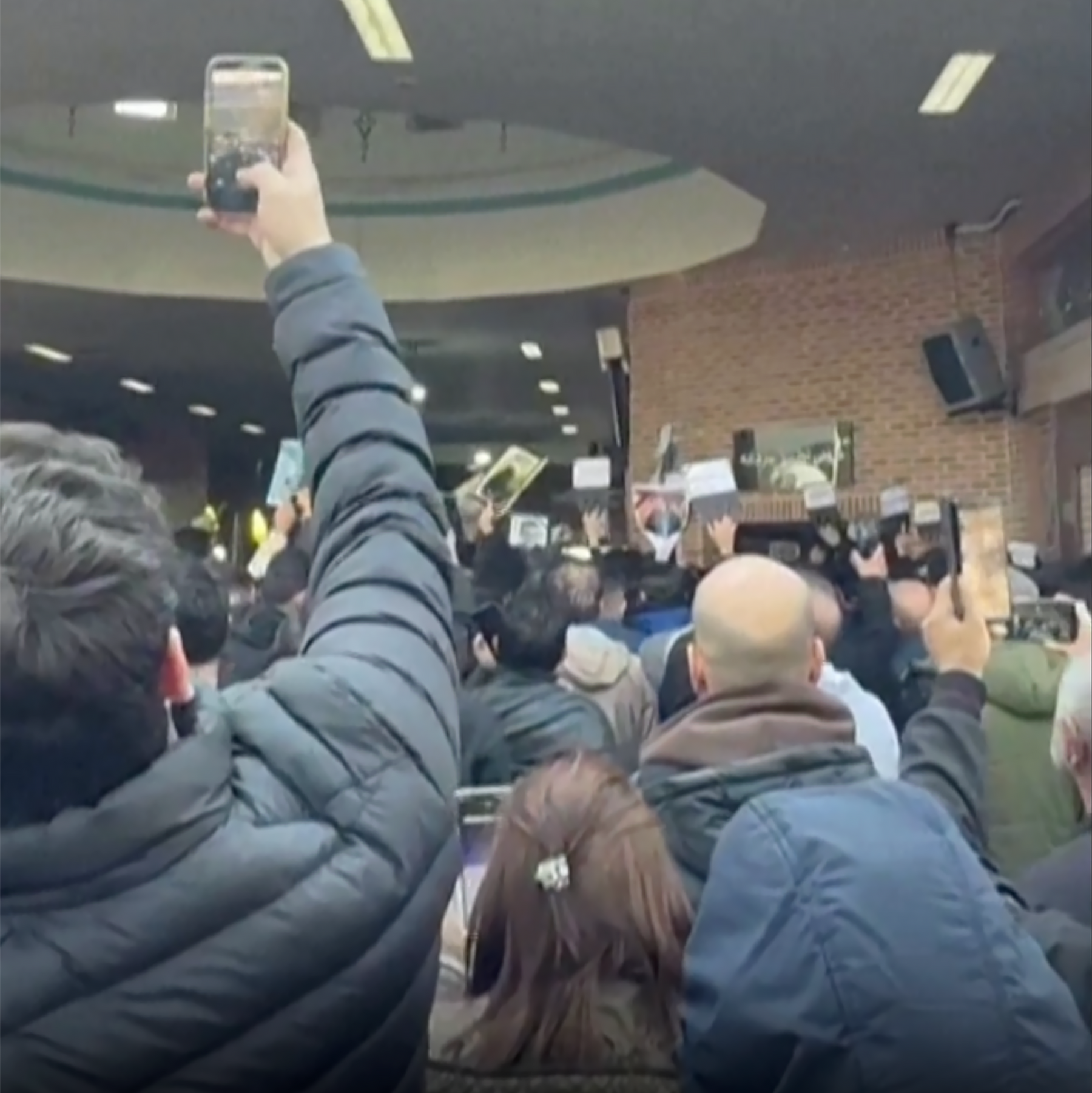
Recent footage from Behesht-e Zahra cemetery, where many of the deceased were buried, shows a lack of respect for the bodies of the victims. Witnesses describe instances where security personnel allegedly interfered with burials and disrupted memorial services. Some families report that they were denied the right to hold proper funerals for their loved ones.
Eyewitness accounts detail how families are being harassed while attempting to mourn. In some cases, mourners faced intimidation from authorities as they sought to honor the deceased. This treatment has intensified public outrage, drawing attention to the broader issue of human rights abuses in Iran.
Witnesses also noted that many victims’ graves were not marked properly, and families were not informed of the locations of their loved ones’ burial sites. This has compounded the grief felt by the families, who are already dealing with the trauma of losing their loved ones in a violent crackdown.
Government Response and International Reactions
The Islamic Republic of Iran has faced significant criticism from international human rights organizations regarding its handling of the protests and the treatment of victims. Many activists are calling for accountability for the violence that has been meted out against peaceful demonstrators. The government, however, has maintained a stance of denial regarding the abuses, claiming that the protests were instigated by foreign influence.
Prominent organizations, including Amnesty International, have condemned the Iranian authorities for their actions, calling for an independent investigation into the treatment of victims’ families and the conduct of security forces. These calls highlight the need for transparency and accountability in a nation where dissent is often met with severe repercussions.
The situation remains tense as the families of the victims continue to seek justice. The emergence of these accounts has further fueled the ongoing conversation about human rights in Iran, putting pressure on the government to address the grievances of its citizens.
As the nation mourns, the international community watches closely, hoping for a shift towards greater respect for human rights and a more humane approach to governance.