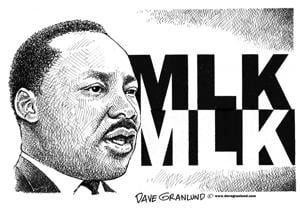
Martin Luther King Jr. Day, observed annually on the third Monday of January, is intended to honor the legacy of the civil rights leader, yet it often becomes a day of fleeting tributes rather than sustained commitment to his ideals. Following New Year’s Day, this federal holiday leads to school and office closures, ceremonies, luncheons, and social media posts that celebrate King’s contributions. However, there is a growing sentiment that such observances do not sufficiently reflect the depth of his legacy.
The day is marked by a predictable rhythm of events, including public speeches and community service initiatives. While these activities acknowledge the significance of Dr. King’s fight for equality and justice, they often lack the momentum needed to inspire real change. As communities gather to reflect on his teachings, the challenge remains: how to transform these moments of reflection into actionable steps that address current social injustices.
Strong advocacy for Dr. King’s vision requires more than just commemorative speeches. It demands a collective commitment to addressing the systemic inequalities that persist today. This includes not only recognizing the historical context of his work but also actively engaging in initiatives that promote social justice, equity, and inclusion. To honor Dr. King appropriately, individuals and organizations must move beyond surface-level acknowledgment.
In recent years, various organizations have begun to implement programs that align with King’s philosophy. For example, the annual Martin Luther King Jr. Day of Service encourages thousands to engage in community improvement projects. This initiative emphasizes the importance of volunteerism and aims to create a lasting impact in local communities. Such efforts reflect the spirit of service that King championed and illustrate how observance can lead to tangible benefits.
Despite these positive developments, many feel that the broader societal response remains insufficient. The conversations sparked during King’s Day often dissipate quickly, leaving pressing issues unaddressed. According to a recent survey by the Pew Research Center, a significant number of Americans believe that civil rights progress has stalled in recent years. This sentiment underscores the need for sustained advocacy and action beyond a single day of remembrance.
Dr. King’s legacy is not merely a collection of quotes or moments captured in history. It embodies a call to action to confront ongoing disparities in race, socioeconomic status, and access to opportunities. His teachings serve as a reminder that the fight for justice is ongoing and requires the involvement of all sectors of society, including governments, businesses, and individuals.
As communities across the globe prepare to observe Martin Luther King Jr. Day in 2024, it is crucial to reflect on how best to honor his memory. This means engaging in action-oriented initiatives that can bring about real change. Whether through educational programs, policy advocacy, or community service, the focus should be on translating the spirit of Dr. King’s work into concrete steps that address the inequalities faced today.
In conclusion, while Martin Luther King Jr. Day serves as a valuable opportunity for reflection, it must also act as a catalyst for action. By committing to ongoing engagement and advocacy, society can honor Dr. King’s legacy in a manner that goes beyond mere words, fostering a future that truly reflects his vision of equality and justice for all.