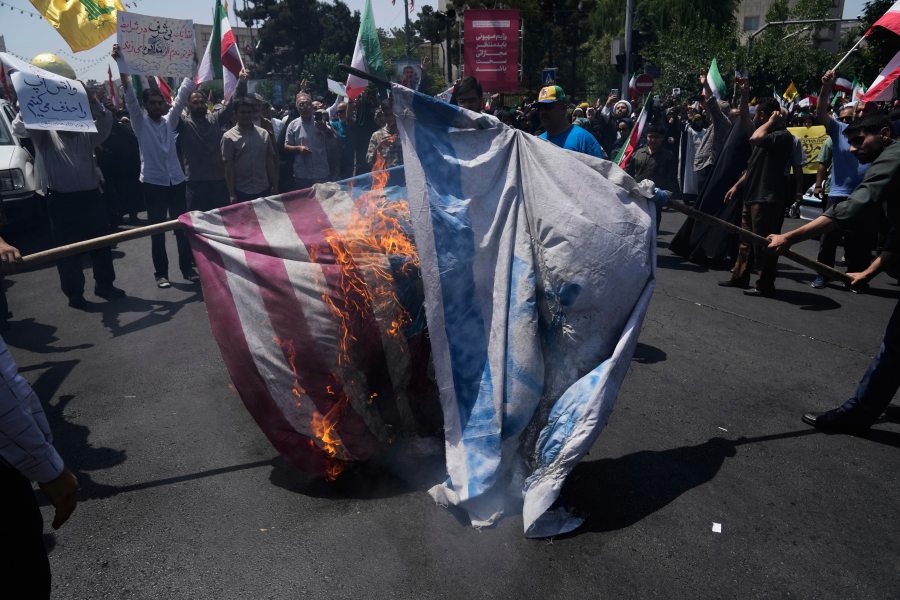
Israeli Prime Minister Benjamin Netanyahu confirmed that the nation is actively monitoring the increasing protests in Iran. These protests have erupted across the country, reflecting widespread discontent among the Iranian populace. The situation has become particularly tense following remarks from U.S. President Donald Trump, who has threatened military action against Iran, raising concerns that the protests could escalate into a broader conflict.
The protests in Iran have drawn attention not only within its borders but also across the Middle East and beyond. Netanyahu expressed that the people of Israel and the global community are closely observing the developments. He stated, “The people of Israel, the entire world, are in awe of what is happening in Iran.” These sentiments underscore the potential implications of the unrest, which could reverberate throughout the region.
Escalating Regional Concerns
The protests began as a response to various socio-economic grievances, including rising prices and government repression. As the unrest has unfolded, it has become a platform for expressing dissatisfaction with the ruling regime. Analysts suggest that the situation may further complicate already strained relations in the region.
Netanyahu’s administration is particularly wary of how these protests could impact Israel’s security, especially if Iranian authorities decide to respond with force. The potential for an escalation into regional hostilities remains high, given the historical context of tensions between Iran and Israel.
In recent days, Trump’s comments have intensified fears of a military confrontation. His administration has taken a hardline stance on Iran, and threats of action could provoke a reaction from Tehran, potentially leading to a cycle of retaliation. This dynamic complicates the already volatile situation and raises questions about the future of stability in the Middle East.
The International Response
International reactions to the protests and the U.S. threats have varied. Countries in the region are weighing their responses carefully, considering both the humanitarian aspects of the protests and the geopolitical consequences of their actions. European nations, in particular, are keen to avoid further escalation and have urged for restraint from all parties involved.
The Iranian government has been quick to label the protests as foreign interference, attempting to shift the narrative. In doing so, they aim to consolidate power internally while deflecting blame outward. As the protests continue, the situation remains fluid, with the potential for significant developments that could reshape the landscape of the region.
As Israel watches closely, the unfolding events in Iran serve as a reminder of the intricate web of relations and the delicate balance of power in the Middle East. The world will be watching to see how these protests evolve and what impact they may have on both regional and global stability.