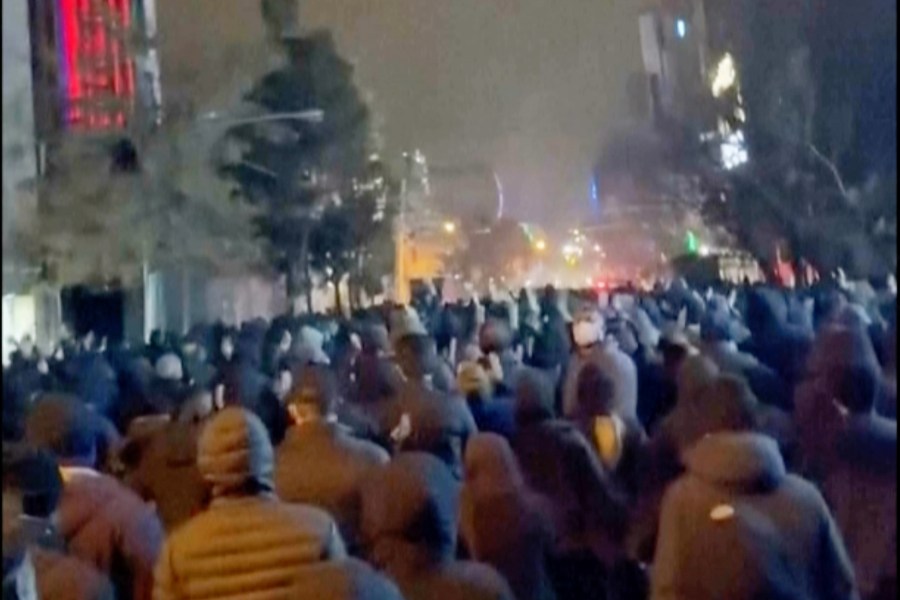
Nationwide protests in Iran are intensifying as demonstrators continue to challenge the country’s theocratic regime. Over the weekend, crowds gathered in both the capital city of Tehran and the second-largest city, Mashhad, marking two weeks of unrest. According to activists, the violence associated with these demonstrations has led to at least 116 fatalities, underscoring the severity of the ongoing situation.
The unrest began in response to various socio-political grievances, including allegations of police brutality and calls for greater freedoms. As protests unfolded, the Iranian government imposed significant restrictions on communication. With the internet down and phone lines largely cut off, accurately assessing the situation on the ground has become increasingly difficult.
Government Response and Legislative Discussions
In light of the escalating protests, Iran’s parliament convened to deliberate on the ongoing unrest and its implications for national stability. Lawmakers are grappling with how to address the mounting public discontent while balancing the government’s response to maintain order. The parliamentary discussions reflect a significant turning point in Iran’s political landscape, as officials seek to understand the root causes of the protests.
Given the government’s control over media, independent information is scarce. Activists have voiced concerns that the actual death toll could be higher than reported, as authorities may be underreporting the numbers to downplay the scale of dissent.
The protests have attracted attention not only within Iran but also on a global scale, with various human rights organizations calling for an end to the violence. Activists emphasize the need for international support to address the human rights violations occurring during the demonstrations.
Impact on the Iranian Population
As the protests continue, the Iranian populace faces dire consequences. The combination of government crackdowns and communication blackouts has created a climate of fear and uncertainty. Many families are left in the dark about the safety of their loved ones, while others fear reprisals for participating in the demonstrations.
The ongoing unrest highlights the deep-seated frustrations among Iranians, particularly among the youth, who are demanding greater freedoms and reforms. Reports indicate that these protests are among the largest seen in recent years, marking a pivotal moment in Iran’s history where citizens are actively voicing their dissent against a government that has long been resistant to change.
As the situation evolves, the world watches closely. The outcome of these protests could significantly influence Iran’s political future and its relations with other nations. The international community remains vigilant, urging the Iranian government to address the grievances of its citizens and uphold human rights standards.