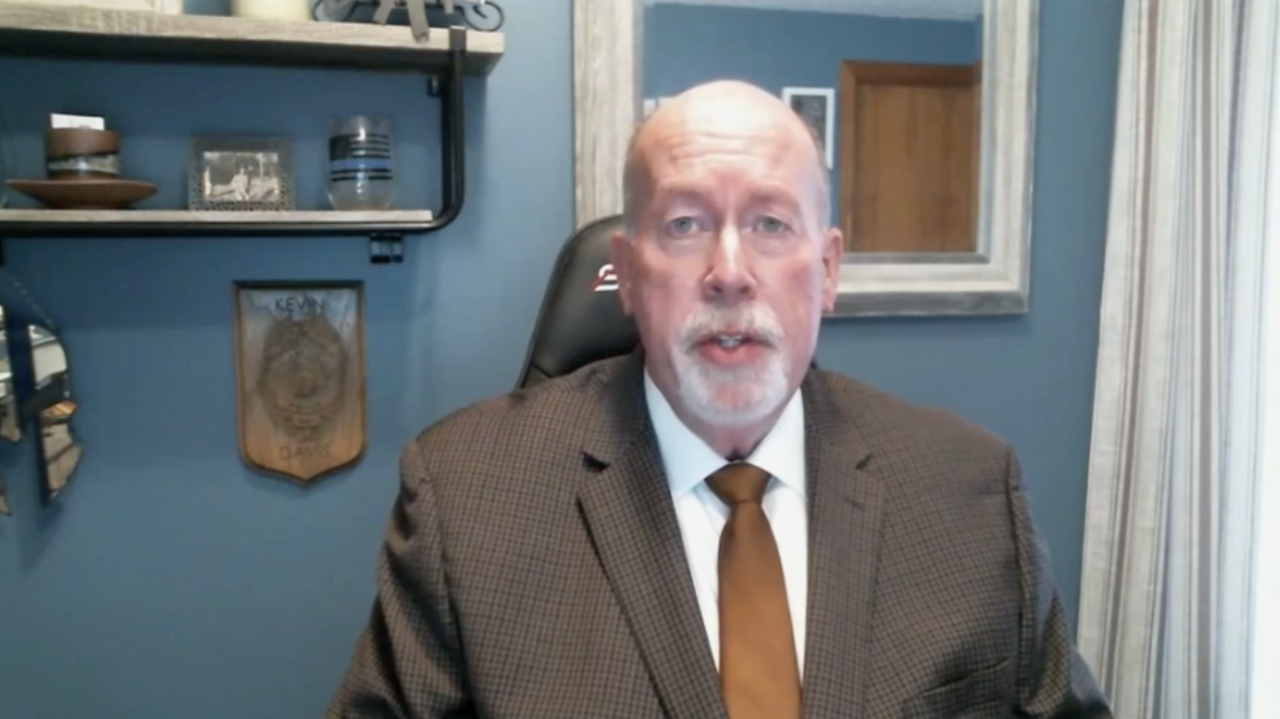
The assessment of deadly force cases involves a complex evaluation of multiple factors, as explained by expert witness and former police officer Kevin Davis. During a recent segment on the show Smerconish, Davis outlined the crucial elements investigators consider when determining the appropriateness of force used by law enforcement.
In such investigations, video footage often serves as a primary source of evidence. It not only captures the incident but also provides context regarding the actions and responses of both the police and the subjects involved. Investigators analyze these recordings to understand the sequence of events leading up to the use of deadly force and verify the officers’ claims against what is seen on-screen.
Another key component of these assessments is the physical evidence at the scene. This includes any weapons present, bullet casings, or other forensic materials that can shed light on the incident. Proper collection and analysis of this evidence are vital for creating an accurate picture of what transpired. Davis emphasized that investigators must also consider the commands given by officers before the incident escalated. Effective communication can play a significant role in preventing confrontations from turning deadly.
Evaluating Split-Second Decisions
One of the most challenging aspects of deadly force cases is the requirement to evaluate split-second decision-making. Officers often face life-threatening situations where they must act quickly. According to Davis, investigators must consider the circumstances surrounding the officer’s actions, including the perceived threat level and available alternatives at the time.
Davis highlighted the importance of understanding that the perception of a threat can vary greatly depending on the situation. Factors such as the subject’s behavior, the environment, and previous interactions can significantly influence an officer’s response. This necessitates a thorough review of all aspects of the encounter, including the mental and emotional state of the officers involved.
Furthermore, the role of training and departmental policies cannot be overlooked. Investigators often review training records to determine if the officers followed established protocols. Davis pointed out that if officers deviate from their training, it could impact the findings of the investigation.
The Impact of Community Trust
The outcome of deadly force investigations has far-reaching implications for community relations. Trust between law enforcement and the public can be severely affected by the results of these cases. Davis noted that transparency in the investigative process is essential for maintaining community trust. Open communication about findings and the rationale behind decisions made by law enforcement can help bridge gaps and foster understanding.
Ultimately, the evaluation of deadly force cases is a multi-faceted process that requires careful consideration of all available evidence. As Davis explained, the goal is not only to determine whether the use of force was justified but also to learn from each incident to improve police practices and community relations. This ongoing dialogue is crucial for the evolution of law enforcement and the preservation of public safety.
Through the insights of experts like Kevin Davis, the complexities of deadly force cases become more comprehensible, shedding light on the critical balance between officer safety and community trust.