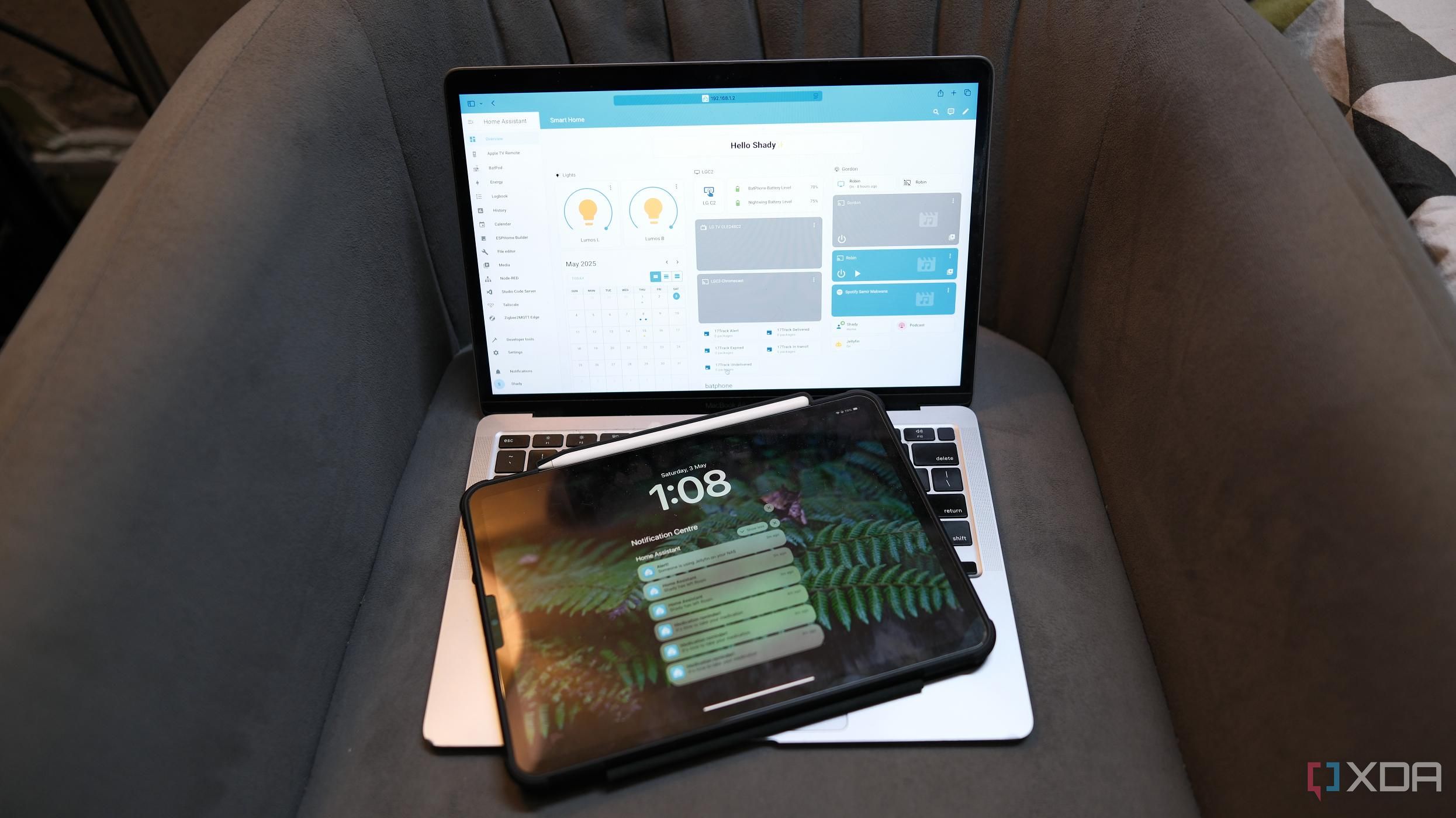
In a bold move to regain control over home automation, one individual successfully constructed a smart home system that operates entirely without cloud services. This approach arose from frustrations with laggy responses and the unpredictability of cloud-dependent devices. By prioritizing local control, they achieved a more responsive and reliable smart home environment.
The Shift to Local Control
After an initial attempt at creating a smart home that relied on cloud services, the builder recognized the limitations and frustrations that came with this model. Devices often displayed delays in responsiveness, and automations frequently failed. The dependency on external servers not only complicated troubleshooting but also raised concerns about data privacy.
Determined to find a better solution, the builder opted to create a system that would function entirely on local networks, eliminating reliance on cloud infrastructure. This transformation involved selecting devices that required no mandatory accounts or cloud services for operation. Consequently, the system became more efficient, with automations running smoothly and devices responding instantly.
Establishing a Local Hub
The core of the cloud-free smart home is the local controller, which in this case was Home Assistant. This platform was chosen for its independence from cloud services and its ability to provide complete control over the smart home environment. Initially installed on a Raspberry Pi, the system was later migrated to a more robust Proxmox virtual machine running on a mini PC. This upgrade enhanced reliability, particularly when managing multiple integrations and microservices.
With a dedicated local hub, automations became more reliable, and device interactions no longer required external internet connections. The builder noted that as their system evolved, it transitioned from a hobby project to a dependable infrastructure that offered full control over the smart home experience.
Choosing the Right Devices
One significant challenge in creating a cloud-free environment is the prevalence of devices designed with built-in cloud dependencies. Many smart devices are programmed to connect to their manufacturers’ servers, complicating efforts to operate them locally. The builder addressed this issue by flashing open-source firmware, such as ESPHome, onto compatible devices, thereby removing their cloud components.
To maintain compatibility and ease of integration, the builder relied on Home Assistant’s certified device list and hardware supported by ESPHome. The preferred communication protocols included Zigbee and Z-Wave, both of which function locally without internet reliance. Despite the potential of emerging technologies like Matter and Thread, concerns about their execution led the builder to avoid them for now.
Privacy and Remote Access
By eliminating cloud services, the builder significantly reduced network traffic and improved overall performance. Local control minimized latency issues, ensuring that devices operated efficiently without sending unnecessary telemetry data to the internet. While some advanced features, such as voice control, required additional effort to implement—using self-hosted voice assistants—the trade-off was a system that offered complete privacy and control over data.
The builder utilized Tailscale for secure remote access, allowing management of the smart home from outside the local network without exposing it to the internet. This setup, configured through encrypted tunnels, ensured safety and accessibility without relying on third-party servers.
Constructing a cloud-free smart home involved extensive research, a deep understanding of networking, and a willingness to troubleshoot issues independently. The result is a reliable and efficient system that showcases the benefits of local control. Automations run consistently, devices respond quickly, and the frustrations associated with cloud dependency are a distant memory.
Ultimately, the decision to build a smart home without cloud reliance has proven transformative, leading to a more responsive and dependable living environment. This approach not only enhances the functionality of the smart home but also empowers users with greater control over their data and devices.