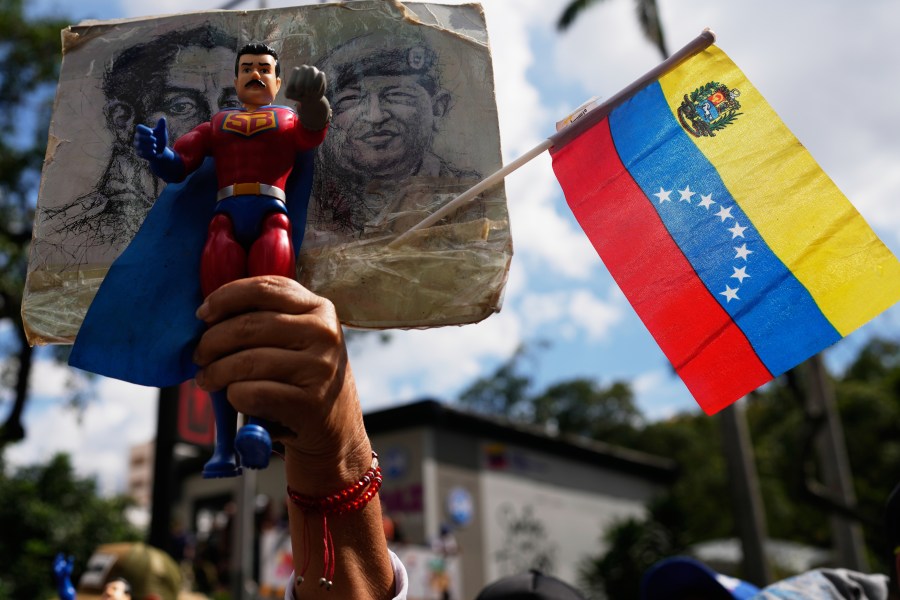
The Venezuelan government took decisive steps to assert its independence on January 8, 2024, following the shocking arrest of President Nicolás Maduro, who had led the country for nearly 13 years. This development marked a pivotal moment in Venezuela’s political landscape and prompted officials to emphasize that the government remains free from external control, particularly from the United States.
In a press conference held shortly after Maduro’s arrest, spokespersons from the ruling party presented a united front, declaring that the government would continue to operate autonomously. They highlighted that this incident was a reflection of internal legal processes rather than foreign intervention. The government is keen to reshape the narrative surrounding its leadership, particularly in light of past accusations of U.S. influence over Venezuelan affairs.
Government’s Response to the Arrest
Lawmakers aligned with Maduro’s party expressed their commitment to maintaining stability and governance in the wake of this unexpected event. They asserted that any actions taken against Maduro were based on constitutional law and not driven by foreign interests. The ruling party underscored its intention to govern without external pressure, presenting a message of resilience to both domestic and international audiences.
This assertion comes at a time when Venezuela’s political climate has been scrutinized globally, with accusations of authoritarianism and human rights violations often directed at Maduro’s administration. The government now faces the challenge of reassuring its citizens while managing the international perception of its legitimacy.
There is significant uncertainty regarding the implications of Maduro’s arrest. His leadership has been marked by controversial policies and widespread protests against economic struggles and political repression. With the current government striving to distance itself from the U.S., analysts are contemplating how Venezuela’s internal dynamics may shift in the coming months.
International Reactions and Future Implications
Reactions from international bodies and foreign governments are expected in the following days. Many experts believe that the arrest could further complicate Venezuela’s already strained relations with the United States, which has imposed various sanctions over the years.
The U.S. government has previously stated its concerns over human rights issues in Venezuela. As the situation unfolds, the potential for increased diplomatic tension remains high. The Venezuelan government’s efforts to highlight its independence may be viewed through the lens of a broader geopolitical struggle, reflecting the complexities of global politics where local governance intersects with international relations.
As Venezuela navigates this turbulent period, the focus will likely remain on how effectively the government can manage both internal dissent and external pressures. The outcome of Maduro’s arrest could serve as a significant turning point in the nation’s political history, influencing not only the future of Venezuelan governance but also its place in the international community.