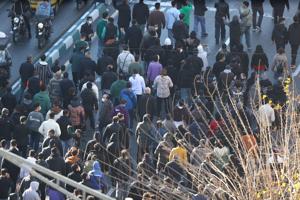
Demonstrations across Iran, sparked by a deepening economic crisis, have resulted in at least seven fatalities. These protests, which are the largest since 2022, have transcended urban centers, reaching rural provinces and cities predominantly inhabited by the Lur ethnic group. Reports indicate that the unrest has significantly escalated, reflecting widespread discontent over rising inflation and job losses.
The unrest began in early November 2023, with thousands of demonstrators taking to the streets to voice their frustrations. In addition to Tehran, protests have emerged in several cities, including Khorramabad and Yasuj. As the situation intensified, security forces clashed with protesters, leading to the tragic deaths of individuals in four different locations.
Escalating Tensions Amid Economic Turmoil
The Iranian economy is grappling with severe challenges, including a soaring inflation rate that has reached over 40% in recent months. Many citizens are struggling to afford basic necessities as prices continue to rise. The government has faced increasing pressure to address economic issues, but many feel that their responses have been inadequate.
Human rights organizations have expressed grave concerns regarding the government’s handling of the protests. Reports suggest that security forces have employed excessive measures to quell dissent, leading to further unrest. On November 15, 2023, the Iranian government acknowledged the protests but characterized them as acts of “rioting” rather than legitimate expressions of discontent.
Widespread Impact and International Reactions
The protests have drawn attention not only within Iran but also from international observers. Various governments and human rights advocates have called for restraint from Iranian authorities and highlighted the importance of respecting citizens’ rights to protest peacefully. The United Nations has urged the Iranian government to engage in dialogue with citizens to address their grievances.
The fatalities reported during the demonstrations have sparked outrage among the populace, further fueling the protests. Many demonstrators are calling for accountability for those responsible for the violence and are demanding substantial economic reforms.
As protests continue to evolve, the Iranian government faces a critical moment. The response to these events will significantly shape the political landscape in Iran and may influence the broader stability of the region. The situation remains fluid, with potential consequences for both domestic and international relations in the coming weeks.