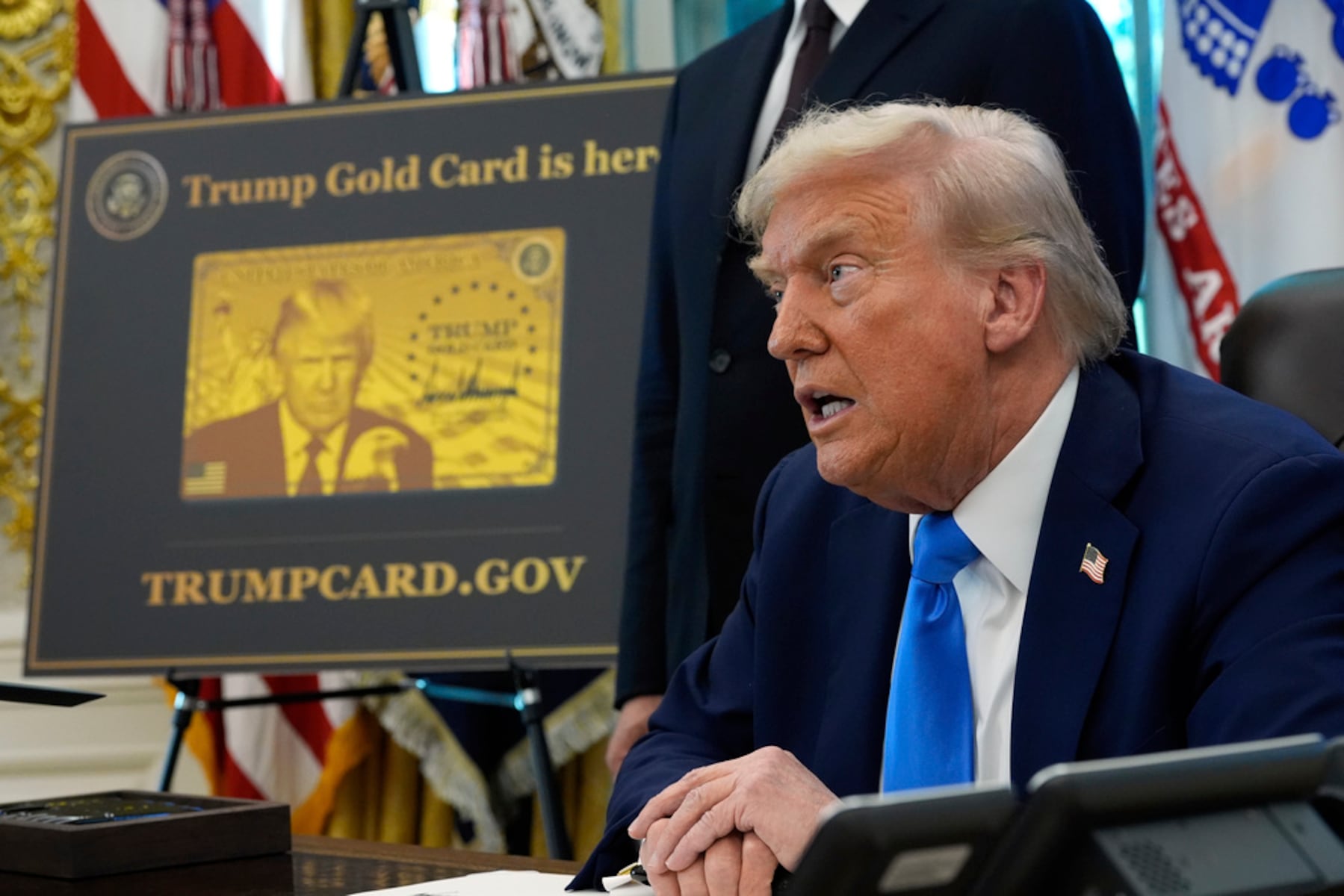
URGENT UPDATE: A retired teacher and Air Force veteran from North Olmsted has put forth a bold proposal urging former President Donald Trump to take immediate action to help Americans struggling with rising costs for health care and groceries. As many citizens face financial hardships, this suggestion has gained traction in discussions about economic relief.
In a recent letter to the editor, the writer highlights Trump’s substantial income from Middle East real estate and bitcoin sales, suggesting that the former president views affordability as a “Democratic con job.” However, the letter proposes a novel approach for Trump to contribute positively to American society: for every lie, swear word, or derogatory comment made by Trump, he should pay the Treasury Department one dollar. This could potentially generate significant funds to alleviate national debt and reinstate laid-off federal workers.
The writer emphasizes that if Trump were to adopt this approach, it could lead to enough resources to provide free health care and groceries for everyone. With the national debt currently standing at over $31 trillion, such a solution could spark discussions about accountability and financial responsibility among leaders.
The emotional impact of the proposal resonates deeply, as many Americans are currently struggling. With inflation affecting prices across the board, the need for affordability has never been more urgent. Citizens are looking for innovative solutions to ensure that basic necessities are within reach.
The call for action comes at a critical time, as the economic landscape continues to evolve. As debates around health care and economic policies intensify, proposals like this could play a significant role in shaping future discussions.
What happens next could set the stage for how public figures, including Trump, respond to the pressing needs of everyday Americans. Will this suggestion spur any action or dialogue? Stay tuned for updates as this story develops.
As the nation grapples with these economic challenges, the urgency for solutions remains high. Community leaders and citizens alike are encouraged to voice their opinions and engage in discussions about how to create a more equitable economic environment.