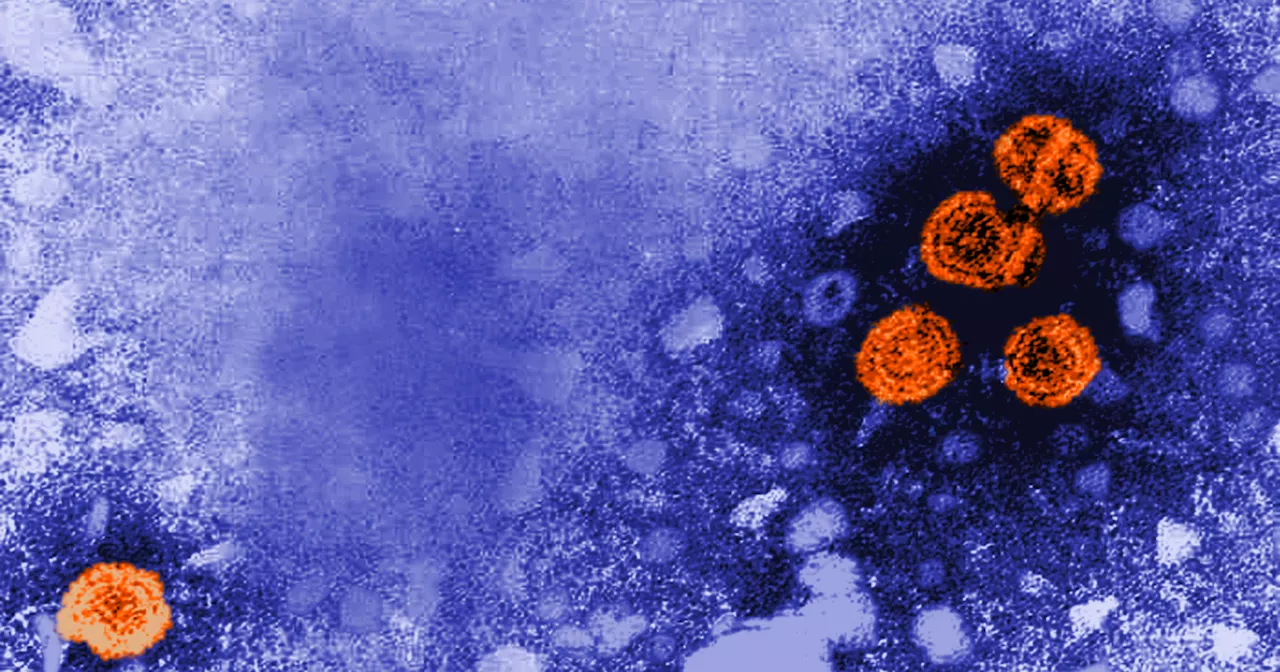
Alaska’s public health officials are maintaining their recommendation for the universal hepatitis B vaccination for all newborns, citing the state’s persistent high rates of chronic infections. Despite a recent update from the Centers for Disease Control and Prevention (CDC), which has narrowed the vaccine’s guidelines, Alaska’s health leaders emphasize the importance of early vaccination.
Universal Vaccination Essential for Alaska
Dr. Joe McLaughlin, the state’s Chief Epidemiologist, stated that the hepatitis B vaccine is crucial for infants in Alaska, where the infection rate is nearly three times the national average. He remarked, “This universal birth dosing helps to ensure every baby receives protection, regardless of their location or access to care or any follow-up challenges that they might have.” McLaughlin highlighted the vaccine’s role in reducing health disparities related to hepatitis B outcomes over the past decades.
For more than thirty years, the CDC recommended that all newborns receive the hepatitis B vaccine at birth. Recently, the CDC adjusted its guidelines to recommend the vaccine only for infants born to mothers who test positive for the virus or when maternal status is unknown. For mothers who test negative, the CDC advises consulting with a healthcare provider before vaccinating their child.
Nevertheless, McLaughlin pointed out that the CDC recognizes the need for states to assess their own hepatitis B rates and risk factors. “Alaska, where the rates are nearly three times the national average, clearly falls into a higher risk category as a state in general,” he added, reinforcing the rationale for continued universal vaccination.
Addressing Hepatitis B Challenges
Historically, Alaska has faced significant challenges with hepatitis B, particularly among Alaska Native populations. In the 1970s, widespread infection led to increased liver cancer rates in children from these communities. Although recent screening and vaccination efforts have reduced prevalence, the virus remains a public health concern.
Dr. Robert Lawrence, Alaska’s Chief Medical Officer, reported that approximately 100 new cases of chronic hepatitis B are diagnosed in the state each year. He explained that the virus can spread rapidly within communities due to close social ties. “When there is cross between households and between families, if one person has hepatitis B, that could be transmitted throughout an entire community, even to members who are not of that same household,” Lawrence noted. He added that children can also contract the virus through contact with contaminated household items, as hepatitis B can survive on surfaces for at least a week.
As Alaska continues to navigate the complexities of hepatitis B infections, public health officials are committed to ensuring that all newborns receive the protection they need. By maintaining universal vaccination policies, they aim to safeguard the health of the state’s most vulnerable population.