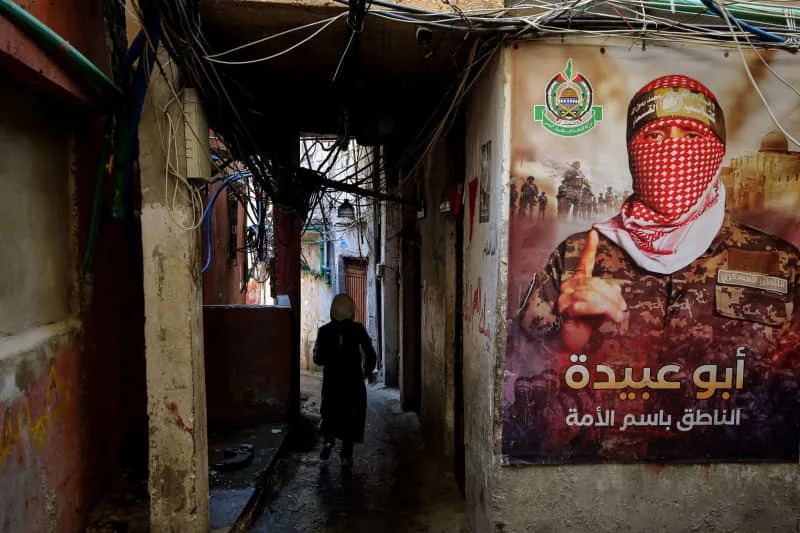
Palestinian militant group Hamas has confirmed the deaths of five senior leaders during recent Israeli airstrikes in Gaza. Among those reported killed is Mohammed al-Sinwar, the brother of Yehya al-Sinwar, who is widely regarded as the architect of the October 7, 2023 attacks. The confirmation, made on Monday, highlights the intensifying conflict and the ongoing targeting of Hamas leadership by Israeli forces.
In addition to Mohammed al-Sinwar, the deceased include Abu Obeida, a former spokesman for the al-Qassam Brigades, Hamas’ military wing, and senior commander Raed Saad. Israel had announced the killing of Saad on December 13, stating he was a key planner of the October 7 attacks, which resulted in approximately 1,200 fatalities and over 250 abductions of individuals into Gaza.
Israeli military operations have escalated following the October attacks, aiming to dismantle Hamas’ leadership structure. Notable figures targeted include Yehya al-Sinwar and senior commander Mohammed Deif. The political chief of Hamas, Ismail Haniyeh, was also killed in a strike in Tehran last year.
Continued Targeting of Hamas Leadership
Despite a ceasefire that was established on October 10, Israeli military actions against Hamas have persisted. The military’s focus remains on eliminating key figures within the organization, emphasizing the ongoing volatility in the region.
Khalil al-Haya, the highest-ranking Hamas official operating outside of Gaza, continues to work from Qatar. He leads the Hamas delegation in indirect negotiations with Israel and has managed to evade Israeli attacks, including a notable incident in December where a group of Hamas officials in Doha was targeted.
The situation remains fluid, with both sides engaged in a complex and violent confrontation. As the conflict develops, the impact on both the Palestinian and Israeli populations continues to be profound, raising concerns over humanitarian conditions amid military operations and ongoing negotiations. The international community watches closely as the situation unfolds, highlighting the urgent need for a sustainable resolution to the conflict.