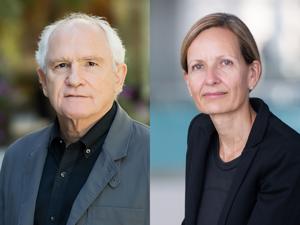
A consortium of leading children’s hospitals in the Bay Area has taken a significant step forward in battling brain cancer and tumors. After over a decade of collaboration initiated by the University of California, San Francisco (UCSF), Stanford University has officially joined the group, strengthening the fight against these challenging pediatric conditions.
The partnership aims to enhance research and treatment options for brain tumors, which are among the most common types of cancer in children. With the inclusion of Stanford, the consortium now incorporates a wider range of expertise and resources. This collaboration is expected to facilitate innovative approaches to diagnose and treat brain cancer more effectively.
Founded in 2013, the consortium began as a coalition of several respected research institutions, including UCSF and other notable hospitals in the region. The goal has always been to harness collective knowledge and resources to improve patient outcomes. With Stanford’s participation, the group anticipates an acceleration in the pace of research and the development of new therapies.
The significance of this collaboration cannot be overstated. Pediatric brain tumors often require specialized treatment regimens due to their complexity and the unique needs of children. By pooling resources and expertise, the consortium aims to tackle the challenges presented by these tumors more comprehensively.
Combining Expertise for Better Outcomes
The collaboration will involve joint research initiatives, shared clinical trials, and a concerted effort to educate healthcare professionals about the latest advancements in treatment. Dr. Jennifer McCulloch, a pediatric oncologist at UCSF, emphasized the potential impact of this partnership, stating, “By uniting our efforts, we can significantly enhance the quality of care for our young patients facing these life-threatening conditions.”
The consortium’s members will focus on a range of critical areas, including genetic research, innovative treatment strategies, and patient-centered care models. By leveraging Stanford’s renowned research capabilities and UCSF’s extensive clinical experience, this collaboration aims to bridge gaps in current treatment protocols.
In addition to improving clinical outcomes, the initiative also aims to enhance the overall quality of life for pediatric patients. The hospitals plan to engage families in the treatment process, ensuring that their voices are heard and incorporated into care plans.
Looking to the Future
As the consortium moves forward, it will explore funding opportunities to support its research initiatives. The hospitals are keen to attract investments that can facilitate groundbreaking studies and clinical trials. By showcasing the potential for significant advancements in pediatric oncology, the consortium hopes to draw attention from both public and private funding sources.
In conclusion, the integration of Stanford University into the Bay Area children’s hospitals consortium marks a pivotal moment in the fight against pediatric brain cancer. With over ten years of groundwork laid by UCSF and its partners, this collaboration promises to enhance research efforts and improve treatment outcomes for children facing these formidable challenges. The commitment to innovative research and patient-centered care underscores the determination of these institutions to make a lasting impact on the lives of young patients and their families.