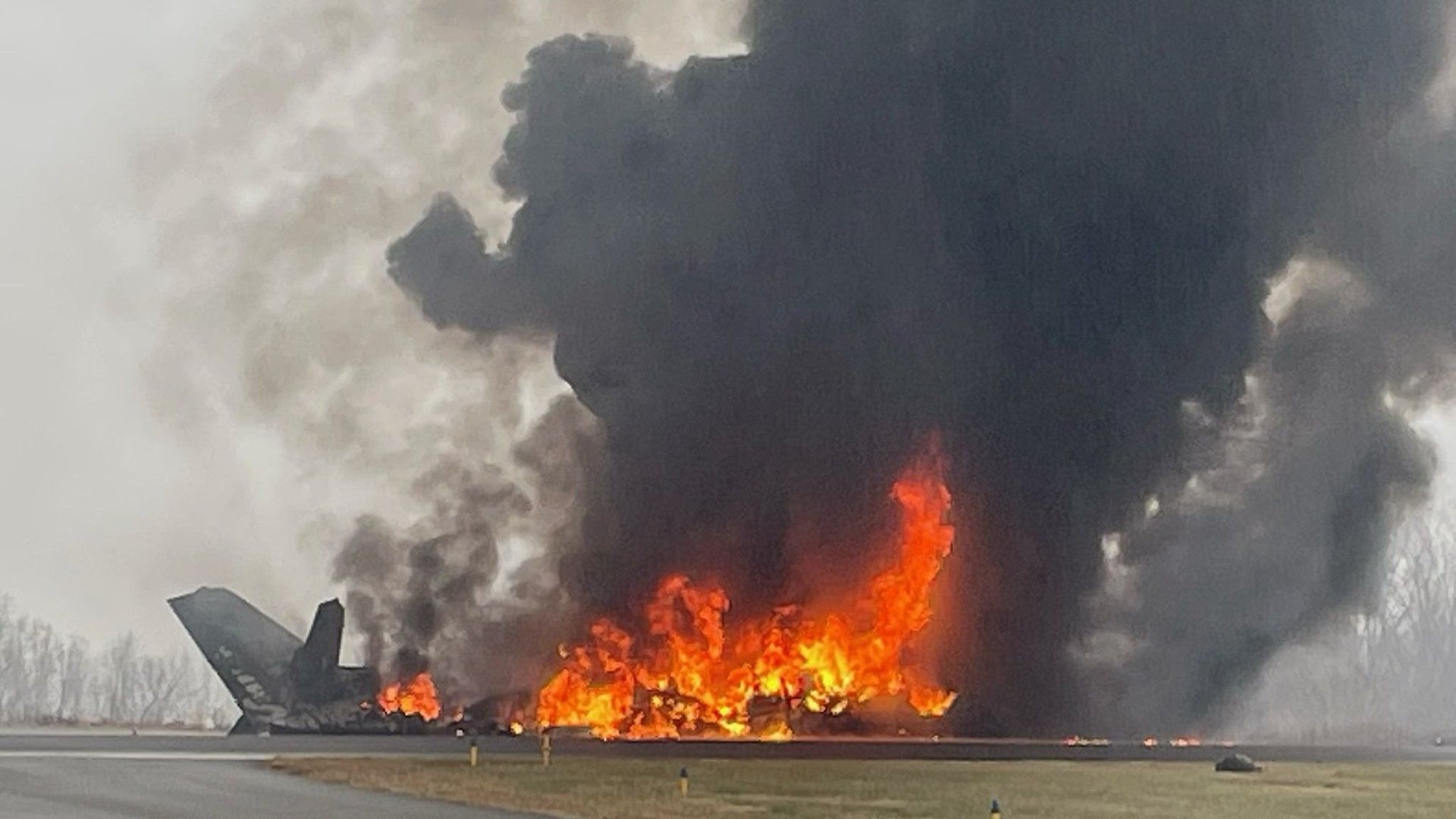
A tragic accident occurred on December 18, 2025, when a Cessna C550 Citation II crashed at Statesville Regional Airport in North Carolina, claiming the lives of seven individuals, including former NASCAR driver Greg Biffle. The aircraft was on a private flight to Florida but attempted to return shortly after takeoff due to adverse weather conditions. The Federal Aviation Administration (FAA) and the National Transportation Safety Board (NTSB) are currently investigating the incident, with local agencies working to secure the area.
The crash took place approximately 50 miles north of Charlotte, shortly after the jet departed on its journey. Reports indicate that the aircraft encountered difficulties almost immediately, leading to an emergency return that ended in a devastating crash followed by a severe post-impact fire. Emergency crews were dispatched to the scene to manage the intense flames, and the airport was temporarily closed as debris was cleared and evidence collected.
Initial reports from the North Carolina Highway Patrol and Iredell County officials confirmed the fatalities, which included five adults and two children. The identities of the victims are pending confirmation from the medical examiner, particularly due to the fire’s impact on the remains.
Investigation Underway Following Crash
In the aftermath of the crash, a joint statement from NASCAR and the Biffle family expressed their profound grief, highlighting Biffle and his wife, Cristina, as devoted parents whose lives revolved around their children. The statement also honored the other victims, including Dennis Dutton and his son, Jack, and Craig Wadsworth, a respected figure within the NASCAR community. NASCAR described Biffle as a champion and a friend, acknowledging the tragic loss of all seven individuals involved.
Biffle, aged 55, was well-known in the racing community, with 19 NASCAR Cup Series victories and a legacy of charitable contributions, including using his private aircraft to assist communities after disasters, such as Hurricane Helene.
Investigators are now tasked with examining various aspects of the flight to determine the cause of the crash. This includes analyzing radar data, air traffic control communications, and any recoverable onboard recordings. The aircraft’s maintenance history, engine performance, and crew training records will also come under scrutiny. Given the challenging weather conditions at the time of the crash, weather data will be a critical focus, as it can significantly affect flight safety.
Next Steps in the Investigation
The NTSB has dispatched a team of investigators to document the wreckage and gather evidence. They will analyze wreckage patterns, impact marks, and runway conditions before moving components for laboratory analysis. In the coming weeks, the NTSB typically interviews witnesses and first responders to compile a preliminary report detailing verified facts surrounding the incident. A final determination of the cause will take longer, as it will involve comprehensive analysis of all potential contributing factors.
As the investigation unfolds, officials have urged patience while they methodically work to uncover what went wrong. Leaders in North Carolina have expressed their condolences, honoring Biffle’s legacy and calling for a thorough and careful examination of the circumstances surrounding this tragic event.