Tensions between the United States and Israel have escalated following the recent killing of a senior Hamas commander. The White House expressed strong disapproval of the action, which has been characterized as detrimental to ongoing diplomatic efforts to stabilize the situation in Gaza.
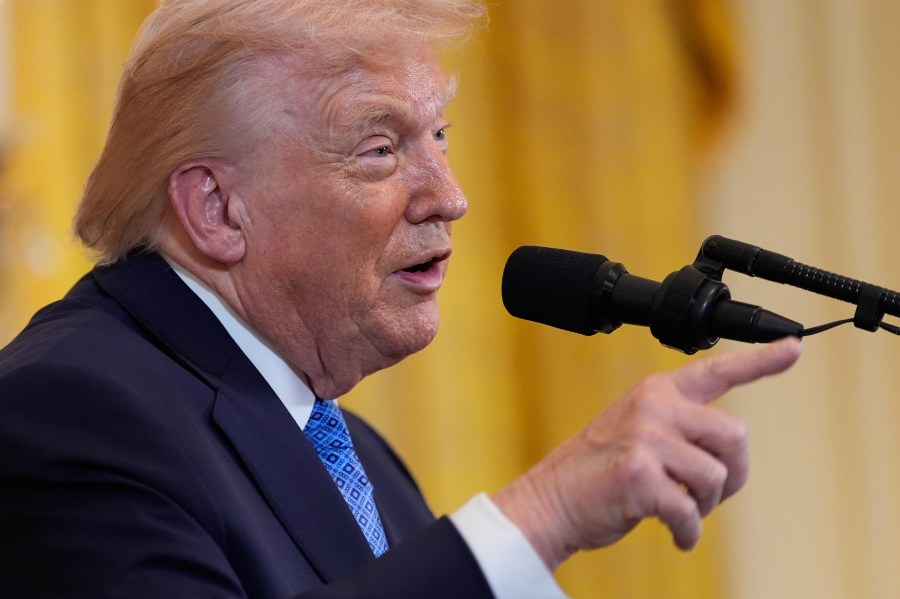
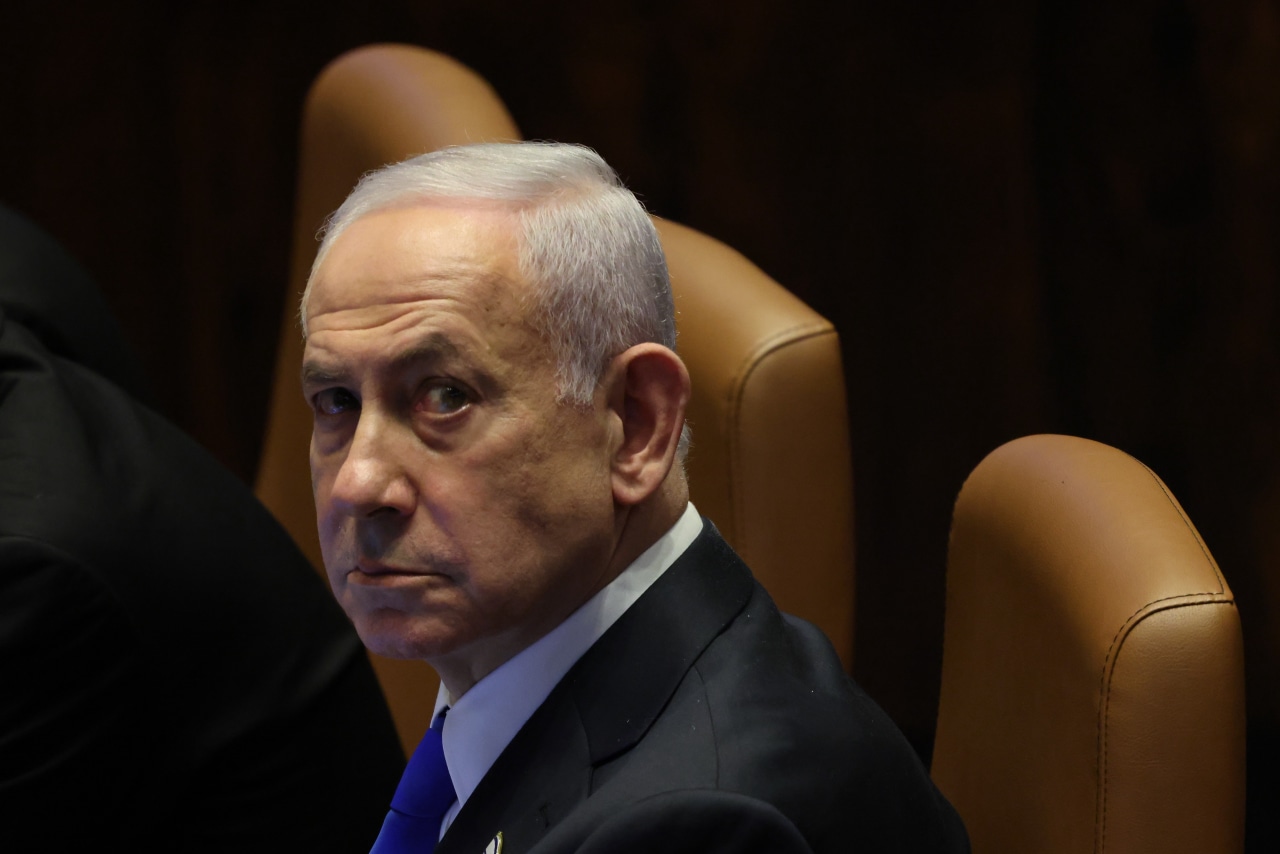
According to aides close to former President Donald Trump, he criticized Israeli Prime Minister Benjamin Netanyahu for undermining what he described as “my deal” aimed at halting the conflict and facilitating the rebuilding of Gaza. This sentiment illustrates a significant strain in U.S.-Israel relations, particularly concerning the handling of the ongoing violence in the region.
The situation erupted after Israeli forces conducted a targeted strike on October 7, 2023, resulting in the death of the Hamas commander. The Israeli government justified the action as a necessary step in their fight against terrorism. However, the White House views this development as a potential setback to the peace process initiated during Trump’s administration.
Concerns Over Regional Stability
The White House’s discontent stems from fears that such military actions could exacerbate the humanitarian crisis in Gaza and hinder efforts to establish a ceasefire. Officials in Washington are increasingly concerned about the humanitarian toll of the ongoing conflict, which has already displaced thousands and exacerbated living conditions in the region.
Reports indicate that Trump’s aides are urging a more diplomatic approach, advocating for negotiations rather than military confrontations. They argue that rebuilding Gaza requires cooperation and a commitment to peace that can only be achieved through dialogue. The former president’s approach was seen as a potential pathway to restoring calm and rebuilding trust among the parties involved.
Implications for U.S.-Israel Relations
The current situation raises critical questions about the future of U.S.-Israel relations. Historically, the United States has been a staunch ally of Israel, providing military and financial support. However, Trump’s recent remarks suggest a shift in tone, indicating that continued support may be contingent upon Israel’s commitment to peace initiatives.
As the international community watches closely, the Biden administration faces the challenge of balancing its support for Israel with the need to address humanitarian concerns in Gaza. The killing of the Hamas commander has not only intensified the conflict but also complicated U.S. diplomatic efforts in the Middle East.
In conclusion, the White House’s strong message reflects broader concerns over the implications of military actions in the region. As tensions remain high, the future of diplomatic relations between the United States and Israel may hinge on the ability of both nations to navigate these complex challenges and prioritize peace over conflict.