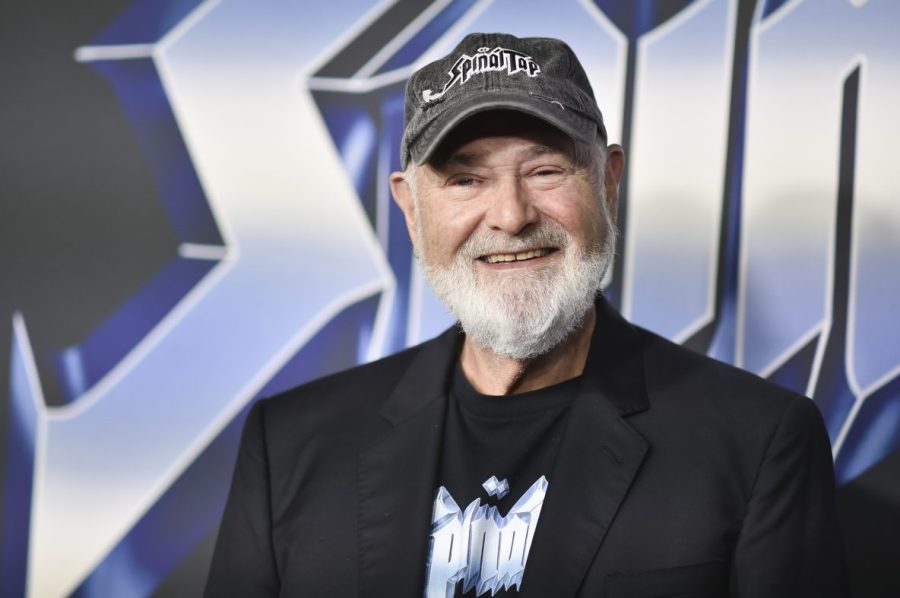
President Donald Trump made headlines on Monday, October 16, 2023, with a controversial post on his social media platform, TruthSocial. Trump commented on the tragic death of acclaimed director Rob Reiner and his wife, suggesting that the circumstances surrounding their demise were linked to what he termed “Trump derangement syndrome.”
The post quickly drew attention and criticism from various quarters. In it, Trump described Reiner as “tortured and struggling,” implying that the director’s opposition to him may have contributed to his untimely passing. This remark has sparked debates about the responsibilities of public figures and the impact of political discourse on individual well-being.
Reiner, known for directing iconic films such as *When Harry Met Sally* and *A Few Good Men*, had been an outspoken critic of Trump throughout his presidency. His political activism often drew the ire of Trump’s supporters and led to heated exchanges on various platforms. The director’s death was first reported as a homicide, which has led to ongoing investigations and discussions regarding the potential motives behind the incident.
Trump’s comments have been met with backlash from supporters of Reiner and those who believe his remarks trivialize serious issues surrounding mental health and political polarization. The phrase “Trump derangement syndrome” has itself become a controversial term, often used to describe a perceived irrationality in those who oppose Trump.
As details surrounding the investigation into Reiner’s death continue to unfold, the implications of Trump’s remarks raise questions about the intersection of celebrity culture, mental health, and political rhetoric. Critics argue that such statements can contribute to an already divisive atmosphere, complicating how individuals engage in political discourse.
The situation has prompted a wider discussion on social media regarding the responsibilities of influential figures in shaping public perceptions and attitudes. Many observers are calling for more sensitivity in discussions surrounding mental health, especially in the context of political disagreements.
As the investigation progresses, it remains to be seen how the circumstances of Reiner’s death will influence public dialogue about political engagement and mental wellness. The tragic events of October 16 have left a mark not only on the film community but also on the broader conversation about the impact of political rhetoric in contemporary society.
In conclusion, Trump’s remarks about Rob Reiner’s death encapsulate a complex interplay of politics, mental health, and media. As the discourse evolves, it will be important to consider the ramifications of such statements and their potential impact on public sentiment and political engagement in the future.